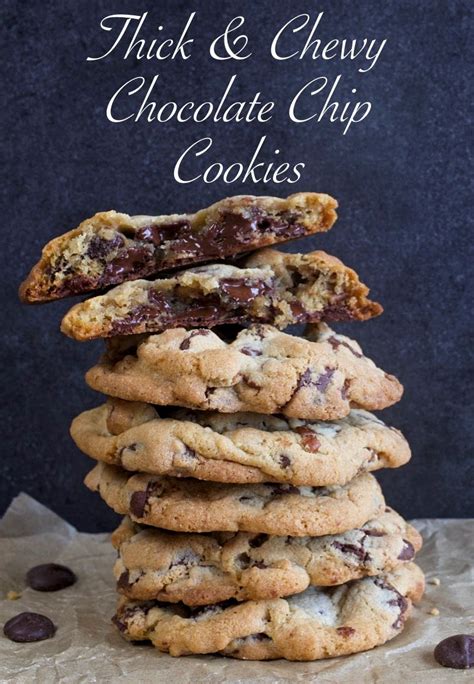



Why do my cookies spread flat? Get tips for thick, chewy cookies!

The quest for the perfect cookie is a delicious journey, but sometimes it leads to a common frustration: cookies that spread into sad, thin puddles instead of the plump, chewy delights we crave. If you’ve ever pulled a baking sheet out of the oven only to find your carefully scooped dough has gone pancake-flat, you’re not alone. Understanding the science behind cookie spread is the first step to achieving your ideal texture.
Why Your Cookies Are Spreading Flat
Several factors can contribute to your cookies losing their lofty structure. Pinpointing the exact cause often involves a bit of detective work in your kitchen.
Too Much Butter or Butter Too Warm
Butter plays a crucial role in cookie texture. If you use too much butter, or if your butter is too soft or melted, it will spread rapidly in the oven before the flour has a chance to set the structure. This leads to a thinner cookie. Room temperature butter should be firm but pliable, not greasy or melted.
Not Enough Flour
Flour provides the main structural component of your cookies. If your recipe calls for too little flour, or if you’re not measuring it accurately (e.g., scooping directly from the bag compacts it, leading to more flour than intended by weight), your dough will be too wet and spread out excessively.
Incorrect Sugar Ratios
Sugar doesn’t just add sweetness; it also affects spread and texture. Granulated sugar promotes spread and crispness, while brown sugar adds moisture, chewiness, and helps cookies stay softer. An imbalance, especially too much granulated sugar, can lead to flatter cookies.
Oven Temperature Issues
An oven that’s too cool will cause cookies to spread more before they have a chance to set. The fats in the butter melt slowly, allowing the dough to flatten. Conversely, an oven that’s too hot can brown the edges too quickly, giving a false impression of doneness while the center remains underbaked and still prone to spreading once out of the oven.

Leavening Agents Imbalance
Baking soda and baking powder are responsible for the rise in cookies. Too much baking soda, especially when reacting with an acidic ingredient, can cause excessive spread before setting. Too little, and your cookies won’t rise enough, potentially flattening out.
Unchilled Dough
Chilling cookie dough is not just a suggestion; it’s often a vital step for preventing spread. Cold dough takes longer to warm up in the oven, allowing the edges to set before the butter fully melts and spreads. This results in thicker cookies.

How to Get Those Perfectly Thick and Chewy Cookies
Now that we understand the common culprits, let’s turn our attention to the solutions for achieving those coveted thick and chewy cookies.
Start with Cold, Firm Butter
While many recipes call for room temperature butter, using slightly colder or even softened but still firm butter can help limit spread. Some recipes even advocate for melted butter, but this will almost always result in a thinner, chewier cookie (like a brownie cookie). For thick cookies, aim for butter that holds its shape but can be easily dented.
Measure Flour Accurately
Always spoon flour into your measuring cup and level it off with a straight edge. Better yet, use a kitchen scale to measure by weight for precise results. This prevents accidental over- or under-measurement.
Master Your Sugar Balance
For chewier cookies with less spread, increase the proportion of brown sugar to granulated sugar. Brown sugar contains molasses, which adds moisture and helps create that soft, chewy texture. Reducing the overall amount of sugar slightly can also help, as sugar contributes to spread.
Chill Your Dough
This is arguably one of the most effective tips. Chilling cookie dough for at least 30 minutes, or even overnight, allows the butter to firm up and the flour to fully hydrate. This makes the dough less prone to spreading too quickly in the oven. For an extra boost, place scooped dough balls in the freezer for 10-15 minutes before baking.
Adjust Oven Temperature and Use a Thermometer
Ensure your oven is accurately calibrated by using an oven thermometer. Baking cookies at a slightly higher temperature (e.g., 375°F / 190°C) can help them set faster before spreading too much, leading to a thicker cookie. However, be mindful not to overbake.
Use Parchment Paper or Silicone Mats
Baking on a non-stick surface like parchment paper or a silicone baking mat can provide a slight barrier, preventing the dough from spreading as freely as it might on a greased baking sheet. This encourages a taller rise.
Don’t Overmix
Overmixing cookie dough develops the gluten in the flour, which can lead to a tougher, flatter cookie. Mix until just combined. Overmixing also incorporates too much air, which can cause cookies to puff up and then collapse.
Conclusion: Your Path to Cookie Perfection
Achieving thick, chewy cookies is within your reach. By understanding the common pitfalls and implementing these simple adjustments to your ingredients and technique, you’ll be well on your way to baking batches of beautifully structured, delightfully chewy treats. Experiment with these tips and discover your perfect cookie!