

What’s the trick to deep, savory flavor & perfect textures in one-pot hearty meals?

Mastering the One-Pot Meal: Flavor and Texture Secrets
One-pot meals are the ultimate weeknight warriors – convenient, comforting, and cleanup-friendly. Yet, achieving that elusive depth of savory flavor and perfectly cooked, varied textures in a single vessel can sometimes feel like a culinary tightrope walk. No more bland stews or mushy vegetables! The secret lies in understanding a few fundamental principles of layering ingredients and controlling cooking environments. Let’s unlock the trick to turning simple ingredients into a deeply satisfying, texturally rich one-pot masterpiece.
Building a Flavor Foundation: The Maillard Reaction and Aromatics
The journey to profound flavor begins before any liquid is added. The Maillard reaction – the browning of food – is your best friend. Start by searing your proteins (chicken, beef, sausage, tofu) until they develop a rich, golden-brown crust. This creates hundreds of new flavor compounds that will permeate your entire dish. Don’t crowd the pan, as this steams rather than sears.
Next, the aromatics. Onions, garlic, carrots, and celery (the “holy trinity” or soffritto) are non-negotiable flavor boosters. Sauté them gently in the rendered fat from your protein or a good quality oil until softened and translucent, allowing their natural sugars to caramelize slightly. This process extracts their essential oils and forms another crucial layer of taste. Deglazing the pan with a splash of wine, broth, or even water after searing and sautéing will lift those flavorful browned bits (fond) from the bottom of the pot, incorporating them back into your sauce.

Strategic Ingredient Addition for Perfect Textures
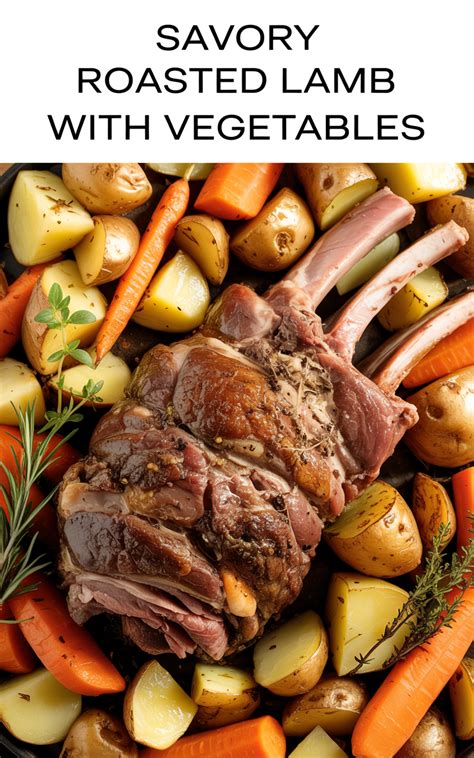
Achieving varied textures means understanding cooking times. Not all ingredients are created equal, and adding everything at once is a recipe for mush. Introduce harder, denser vegetables like potatoes, carrots, or squash earlier in the cooking process, giving them ample time to soften. Softer vegetables, such as bell peppers, zucchini, or leafy greens (spinach, kale), should be added towards the end, allowing them to retain some bite and color.
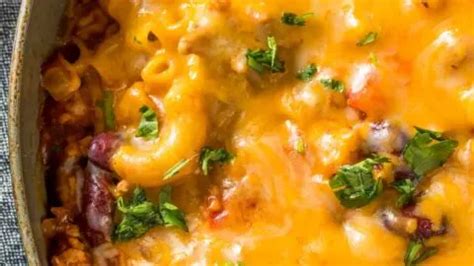
When incorporating grains or pasta, timing is everything. For rice, ensure the correct liquid-to-grain ratio and add it when the rest of your ingredients are partially cooked. Pasta, especially smaller shapes, needs only the last 10-15 minutes of cooking. Adding it too early will result in a gummy mess, while adding it too late means crunchy pasta. Utilize the starch released by grains and pasta to naturally thicken your sauce, adding body and richness.

The Art of Liquid and Seasoning
The choice and amount of liquid dramatically impact both flavor and texture. Opt for high-quality broths, stocks, or even canned crushed tomatoes as your base. Avoid overfilling the pot; just enough liquid to barely cover your solid ingredients is usually sufficient for braising or simmering, preventing a watery final product. Remember, ingredients release their own moisture as they cook.
Seasoning isn’t a one-and-done event. Season your proteins before searing, your aromatics as they cook, and the entire dish again after adding liquids. Taste and adjust throughout the process. Don’t forget umami boosters like tomato paste (which should be cooked briefly to deepen its flavor), mushrooms, soy sauce, or a dash of Worcestershire. Finishing touches are vital: a squeeze of lemon juice or a splash of vinegar brightens flavors, fresh herbs add fragrance and visual appeal, and a sprinkle of Parmesan or a dollop of yogurt can add creamy richness.
Choosing Your Weapon: The Right Pot and Technique
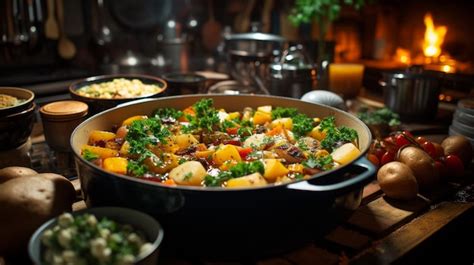
The vessel itself plays a role. A heavy-bottomed Dutch oven or a deep, oven-safe skillet is ideal. Their even heat distribution and ability to go from stovetop to oven make them perfect for one-pot wonders. For braises, a tight-fitting lid is crucial to trap moisture and allow ingredients to tenderize slowly. For dishes requiring reduction or crisping, the lid can be removed later in the cooking process. Cooking low and slow often yields the most tender meats and allows flavors to meld beautifully, but faster techniques work too with careful ingredient timing.
Conclusion: The Masterful One-Pot
Transforming simple ingredients into a deeply flavorful, texturally diverse one-pot meal isn’t magic; it’s a series of intentional steps. By focusing on building flavor layers through searing and sautéing, strategically adding ingredients for optimal texture, carefully managing liquids and seasoning, and choosing the right equipment, you can consistently create hearty, satisfying dishes that are a joy to cook and even more delightful to eat. Embrace these techniques, and your next one-pot meal will be a culinary triumph.