




Why are my homemade muffins dense? Get fluffy quick bread secrets.

There’s nothing quite as comforting as a warm, freshly baked muffin. Yet, many home bakers lament that their homemade muffins turn out disappointingly dense, gummy, or heavy instead of light and airy. If you’ve ever wondered why your delicious ingredients aren’t yielding fluffy results, you’re not alone. The good news is that achieving perfect, bakery-style muffins and quick breads is entirely within reach, often requiring just a few simple adjustments to your technique and understanding of basic baking science.
Why Your Muffins Might Be Dense
Before we dive into the solutions, let’s explore the most common reasons why your quick breads might be lacking that coveted fluffiness:
1. Overmixing: The Arch Nemesis of Fluffy Muffins
This is, by far, the most frequent culprit. Unlike cakes or cookies, muffins thrive on minimal mixing. When you overmix muffin batter, you overdevelop the gluten in the flour. Gluten is a protein that provides structure, but too much development leads to a tough, chewy, and dense texture with tunnels throughout. You want just enough mixing to combine ingredients, leaving some lumps visible.
2. Leavening Agent Woes
Baking powder and baking soda are the workhorses that create air bubbles, giving muffins their lift. If your leavening agents are old or expired, they won’t produce enough gas, resulting in a flat, heavy muffin. Using the wrong amount (too little or too much) can also throw off the balance and density.
3. Measurement Mishaps
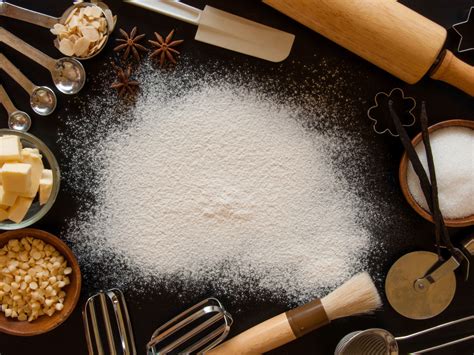
Baking is a science, and precision matters. Using too much flour, whether by scooping directly from the bag (which compacts it) or simply mismeasuring, adds excessive dry ingredients to your batter, leading to a dry, dense product. Similarly, too little liquid can have the same effect.
4. Imbalance of Ingredients
The ratio of wet to dry ingredients, and even the fat content, plays a crucial role. Too little fat can make muffins dry and dense, while too much liquid can make them soggy and heavy. The perfect balance ensures moisture, tenderness, and structure.
5. Oven Temperature Troubles
An oven that’s too cool won’t allow the leavening agents to activate properly and quickly, resulting in muffins that don’t rise adequately. An oven that’s too hot might set the crust too quickly before the interior has a chance to fully bake and rise, leading to a cracked top and dense inside.
The Secrets to Perfectly Fluffy Muffins and Quick Breads
Now that we know what to avoid, let’s focus on the techniques that guarantee success:
1. Master the Muffin Method: Don’t Overmix!
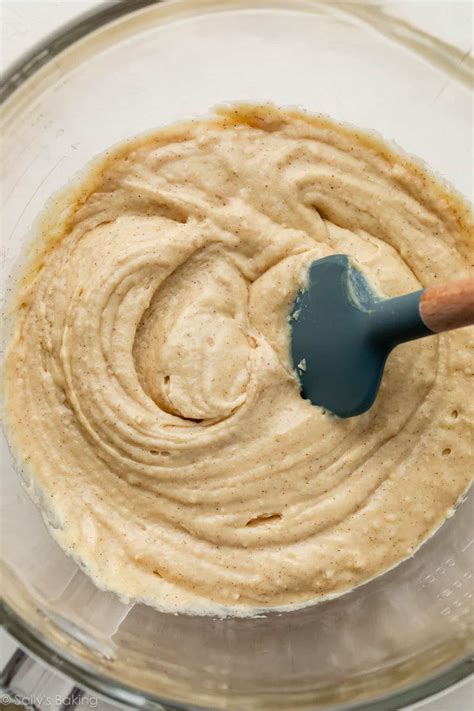
This is foundational. Whisk all your dry ingredients together thoroughly in one bowl. In another bowl, whisk all your wet ingredients. Then, pour the wet ingredients into the dry. Mix ONLY until just combined. A few lumps are perfectly fine, even desirable. This minimal mixing prevents gluten development, keeping your muffins tender.
2. Use Fresh Leavening Agents
Always check the expiration dates on your baking powder and baking soda. To test baking powder: add a teaspoon to half a cup of hot water; it should fizz immediately. To test baking soda: add a teaspoon to a few tablespoons of vinegar; it should also fizz vigorously.
3. Measure Accurately, Especially Flour
For flour, use the spoon and level method: fluff up the flour in its container with a spoon, then gently spoon it into your measuring cup until overflowing. Level off the excess with a straight edge (like a knife). Avoid scooping directly with the measuring cup, which compacts the flour and adds too much.
4. Get the Ratio Right
Follow reliable recipes from trusted sources. These recipes have been tested to ensure the correct balance of flour, liquid, fat, sugar, and leavening. Don’t be tempted to drastically alter ratios, especially for your first attempt at a recipe.

5. Preheat Your Oven Thoroughly
Always preheat your oven for at least 15-20 minutes longer than it takes to reach the set temperature. This ensures the oven cavity and heating elements are uniformly hot. Many muffin recipes also benefit from a slightly higher initial temperature for the first 5 minutes to encourage a quick burst of rise, then dropping it to a lower temperature for the remainder of baking.
6. Don’t Overbake!
Bake muffins just until a wooden skewer or toothpick inserted into the center comes out clean or with moist crumbs attached, but no wet batter. Overbaking dries out muffins and makes them tough. Start checking at the lower end of the recommended baking time.
Advanced Tips for Ultimate Fluffiness
- Embrace Acids: Buttermilk, yogurt, or sour cream add tenderness and moisture, and their acidity reacts with baking soda to boost leavening.
- Melted Butter or Oil: Fats contribute to moisture and tenderness. Melted butter or neutral oils often create a more tender crumb than solid butter.
- Rest the Batter: While not strictly necessary for every muffin, letting the batter rest for 15-30 minutes before baking can allow the flour to fully hydrate and the gluten to relax, sometimes resulting in a slightly higher dome and softer texture.
By understanding these common pitfalls and implementing these simple, yet effective, techniques, you’ll transform your dense, heavy muffins into light, airy, and utterly delicious quick bread masterpieces every time. Enjoy your journey to fluffy perfection!