


What’s the secret to big flavor in one-pot chicken & veggie dinners?

Unlock Unforgettable Flavor in Your One-Pot Meals
One-pot chicken and vegetable dinners promise convenience, minimizing cleanup and streamlining the cooking process. Yet, too often, they deliver a dish that’s merely ‘fine’ rather than ‘fantastic.’ The secret to transforming these weeknight staples from bland to brilliant isn’t just more ingredients, but rather a strategic approach to layering flavor. By understanding a few key principles, you can elevate your one-pot creations to truly unforgettable meals.
The Maillard Reaction: Browning for Deep Flavor
The first and arguably most crucial step to a flavorful one-pot dish is properly browning your chicken. Don’t just cook it until it’s done; actively seek out a deep, golden-brown crust. This process, known as the Maillard reaction, creates hundreds of new flavor compounds that are impossible to replicate any other way.
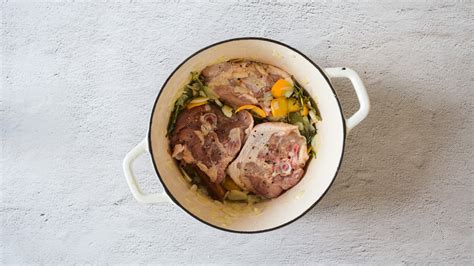
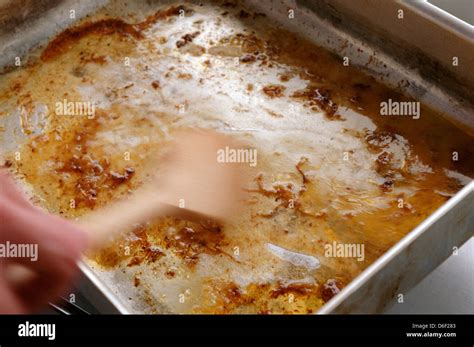
Always start by searing your chicken pieces, skin-side down if applicable, in a hot pan with a little oil. Don’t overcrowd the pot; work in batches if necessary to ensure proper browning, not steaming. Those browned bits stuck to the bottom of the pan? That’s ‘fond,’ and it’s pure flavor gold, destined to become the foundation of your rich sauce.
Build a Rich Foundation: Aromatics and Toasted Spices
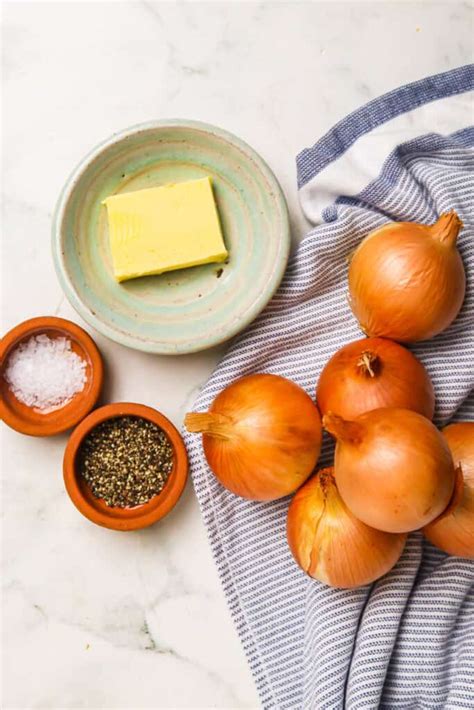
Once your chicken is beautifully browned and set aside, it’s time to build the aromatic base. In the same pot, using the residual fat and those delicious browned bits, sauté your mirepoix (onions, carrots, celery), along with garlic. These common vegetables release their natural sugars and create a sweet, savory foundation that permeates the entire dish.
Equally important is the strategic addition of dry spices. Instead of just sprinkling them in with the liquid, add them to the pot after your aromatics have softened and cook them for a minute or two, stirring constantly. This ‘toasting’ process blooms their essential oils, intensifying their fragrance and flavor significantly before any liquid is added.
Strategic Vegetable Addition: Timing is Everything
A common pitfall in one-pot meals is adding all vegetables at once, resulting in some being perfectly cooked while others are either mushy or underdone. The secret lies in understanding cooking times.
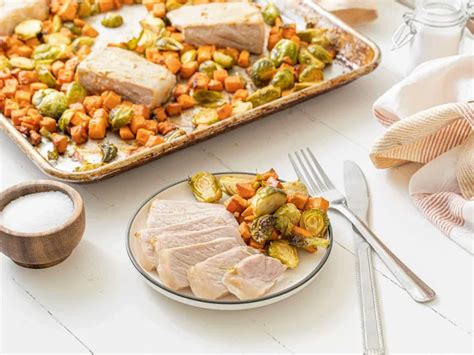
Harder root vegetables like potatoes, sweet potatoes, and carrots require more time to soften, so they should go into the pot earlier. Softer, quicker-cooking vegetables such as bell peppers, zucchini, green beans, or leafy greens should be added later in the cooking process, often during the last 10-15 minutes, to ensure they retain their texture, color, and vibrant flavor without becoming overcooked and bland.
The Unsung Hero: Deglazing and the Braising Liquid
Remember that ‘fond’ on the bottom of the pot? This is where your braising liquid comes into play. After browning your chicken and sautéing your aromatics and spices, pour in a splash of liquid – wine, broth, or even a bit of beer – and scrape up all those browned bits with a wooden spoon. This process, called deglazing, incorporates all that concentrated flavor directly into your sauce.
The choice of braising liquid is also critical. Good quality chicken broth, canned crushed tomatoes, coconut milk, or even a combination, will imbue your dish with depth. Ensure you use just enough liquid to create a flavorful sauce and help cook the ingredients without drowning them, allowing flavors to concentrate rather than dilute.
Brightness and Umami: The Finishing Touches
Even with all the foundational flavors, a one-pot dish can sometimes benefit from a final flourish to truly make it sing. A squeeze of fresh lemon juice or a splash of vinegar added at the very end can cut through richness and brighten all the flavors. Similarly, a handful of fresh herbs like parsley, cilantro, dill, or basil stirred in right before serving provides a burst of freshness and aroma that can’t be achieved with dried herbs.
Consider an umami boost: a dash of fish sauce, a spoonful of miso paste, or even a sprinkle of Parmesan cheese can add an extra layer of savory depth without overpowering the dish. These simple finishing touches can elevate your one-pot meal from excellent to extraordinary.
Conclusion
Creating big flavor in one-pot chicken and veggie dinners isn’t about magic; it’s about mastering a few fundamental techniques. By prioritizing proper browning, building robust aromatic foundations, timing your vegetable additions, leveraging the power of deglazing and strategic liquids, and finishing with bright, savory accents, you can consistently produce meals that are not only convenient but also incredibly delicious and satisfying. Embrace these secrets, and your one-pot repertoire will never be bland again.