


What are your best tips for creating big flavor and perfect textures in a hearty one-pot meal?

One-pot meals are the ultimate weeknight warriors—convenient, comforting, and cleanup-friendly. Yet, the challenge often lies in preventing them from becoming a uniform mush, lacking in both vibrant flavor and distinct textures. The good news is, with a few strategic techniques, you can elevate your one-pot creations into truly unforgettable dishes that sing with every spoonful. Let’s dive into the best practices for achieving culinary excellence in a single pot.

Mastering Flavor Foundations
Flavor is built in layers. In a one-pot meal, this means paying close attention to each ingredient’s contribution from the very start.
Browning for Depth (The Maillard Reaction)
This is arguably the most crucial step for big flavor. Whether it’s meat or hardy vegetables like onions, carrots, and celery, browning creates complex, nutty, and savory notes that form the backbone of your dish. Don’t rush this process; allow ingredients to develop a deep golden crust before moving on.
- Meats: Sear all sides of your protein (chicken thighs, beef chunks, sausage) until well-browned. Remove from the pot and set aside.
- Aromatics: After the meat, add your aromatics. Cook until softened and slightly caramelized, scraping up any browned bits from the bottom of the pot.
Aromatic Powerhouse: The Mirepoix and Beyond
A classic mirepoix (onions, carrots, celery) is a fantastic starting point, but don’t stop there. Garlic, ginger, leeks, shallots, and peppers can add incredible layers of flavor. Add these after browning your main proteins, and cook them until fragrant and softened.
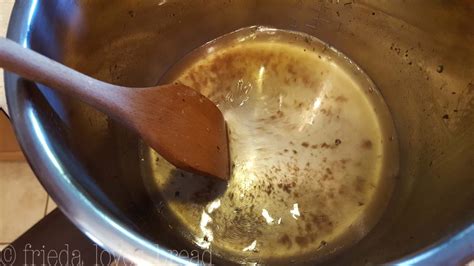
Deglazing and Scraping for Ultimate Umami
Those browned bits (fond) stuck to the bottom of your pot are pure flavor gold. Once your aromatics are softened, add a splash of liquid—wine, broth, beer, or even water—and use a wooden spoon to scrape up every last bit. This releases incredible savory depth into your sauce.
Layering Spices and Herbs
Different spices and herbs require different cooking times. Whole spices benefit from toasting in a dry pan or blooming in a bit of oil early on to release their essential oils. Ground spices are often added with aromatics, while delicate fresh herbs are best stirred in at the very end to preserve their vibrant flavor and color.
Achieving Textural Harmony
A truly satisfying one-pot meal offers a variety of textures—tender meat, al dente grains, crisp-tender vegetables. This requires thoughtful timing.
Strategic Ingredient Addition
Not all ingredients cook at the same rate. Add hardier, longer-cooking vegetables (potatoes, carrots, parsnips, root vegetables) earlier in the cooking process. Softer, quicker-cooking ingredients (peas, spinach, zucchini, cherry tomatoes) should be added closer to the end to prevent them from turning to mush.
- Root Vegetables: Add with your broth and allow to simmer.
- Leafy Greens: Stir in just before serving, allowing them to wilt from residual heat.
- Delicate Veggies: Add 10-15 minutes before the end of cooking.
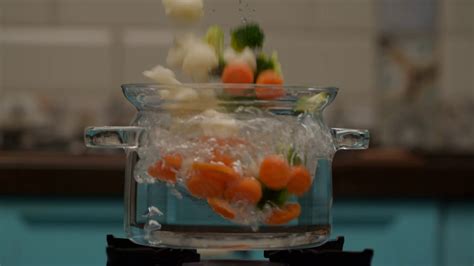
Preventing Mushiness: Don’t Overcrowd and Monitor Heat
Overcrowding your pot lowers the temperature and steams ingredients instead of searing or simmering properly, leading to a softer, less appealing texture. Cook in batches if necessary. Also, maintain a gentle simmer, not a vigorous boil, to ensure even cooking and prevent ingredients from breaking down too quickly.
Perfecting Grains and Pasta
For dishes with rice, quinoa, or pasta, the liquid ratio and timing are crucial. Ensure there’s just enough liquid for your chosen grain or pasta to absorb, and add it at the correct stage so it cooks to al dente perfection without becoming gummy or overly soft. Pasta, especially, benefits from being added in the last 10-15 minutes of cooking.

Tenderizing Meats: Low and Slow for Tough Cuts
For tougher cuts of meat like beef chuck or pork shoulder, patience is key. A long, slow simmer or braise allows connective tissues to break down, resulting in incredibly tender, fall-apart meat. Ensure there’s adequate liquid throughout the cooking process.
The Finishing Touches: Brightness and Boosters
Even with excellent foundational work, a one-pot meal can often benefit from a final flourish to truly make it shine.
Acidity and Brightness
A squeeze of lemon juice, a splash of vinegar (red wine, apple cider, balsamic), or a dollop of yogurt or sour cream at the end can cut through richness, brighten flavors, and awaken the palate. It’s often the ‘secret ingredient’ that takes a dish from good to great.
Umami Boosters
Ingredients like Parmesan cheese, a swirl of miso paste, a dash of soy sauce, or a handful of fresh mushrooms can add another layer of savory depth and complexity, enhancing the overall umami profile of your meal.
Fresh Herbs and Garnishes
Never underestimate the power of a fresh garnish. A sprinkle of chopped fresh parsley, cilantro, basil, or chives not only adds a pop of color but also introduces a fresh, aromatic note that contrasts beautifully with the rich, cooked flavors below.

By thoughtfully applying these tips—from building a robust flavor base to orchestrating perfect textures and adding strategic finishing touches—your hearty one-pot meals will transform from simple conveniences into culinary triumphs. So grab your favorite pot and get cooking!