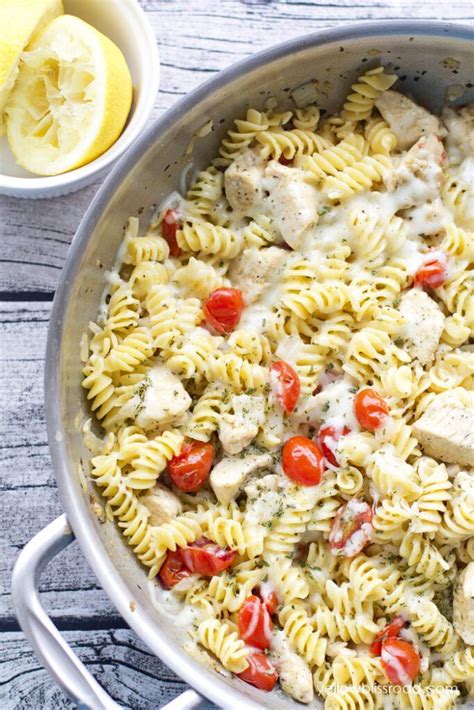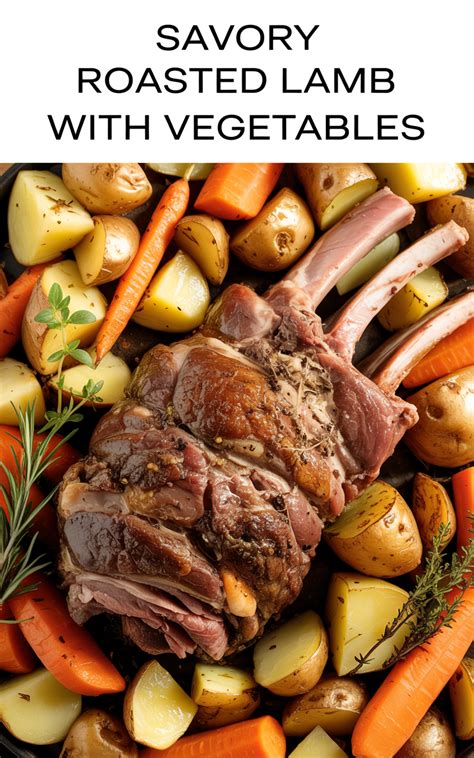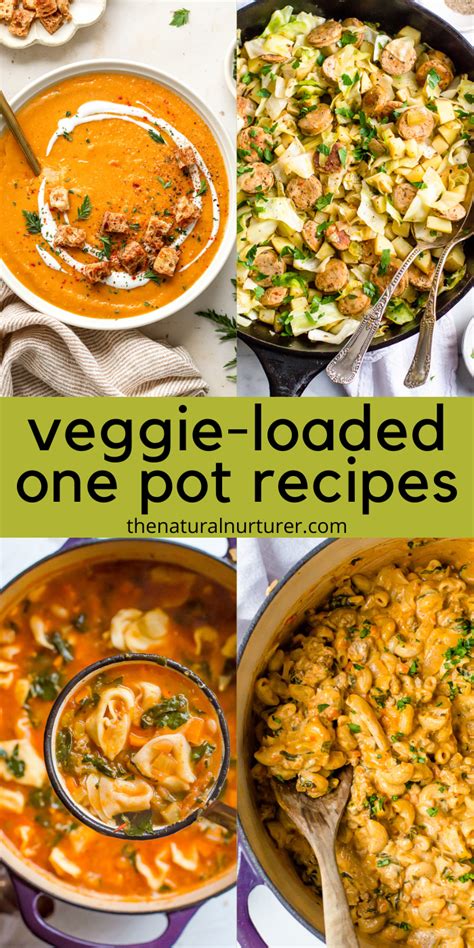
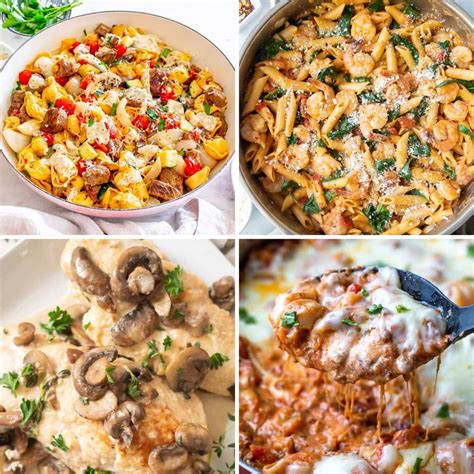


How to achieve big, Heartland flavor in one-pot dishes without mushy textures?
Embrace the Heartland: Flavor Without the Fuss (or Mush)
One-pot meals are the ultimate weeknight warriors, promising minimal cleanup and maximum comfort. But the dream of a hearty, flavorful dish can quickly turn into a mushy, indistinguishable stew if not executed correctly. Especially when aiming for those robust, comforting flavors typical of America’s heartland, preserving ingredient integrity is key. This guide will walk you through the essential techniques to achieve deep, savory flavors while keeping every bite distinct and texturally pleasing.

Defining Heartland Flavor: More Than Just Comfort
Heartland cuisine is synonymous with warmth, generosity, and wholesome ingredients. Think rich, savory meats, earthy root vegetables, robust grains, and simple, honest seasonings. It’s about building layers of flavor from the ground up, often through browning, slow simmering, and aromatic bases. The challenge in a one-pot setting is to coax out these complex flavors without overcooking more delicate components.
The Mushy Pitfall: Understanding Why It Happens
The primary culprit behind mushy one-pot dishes is often uneven cooking. Adding all ingredients at once, using too much liquid, or simply over-simmering can break down vegetables and starches into an unappetizing uniformity. To combat this, we need to think about ingredient density, cooking times, and strategic additions.
Strategic Techniques for Texture and Flavor
1. Layering Ingredients for Optimal Cooking
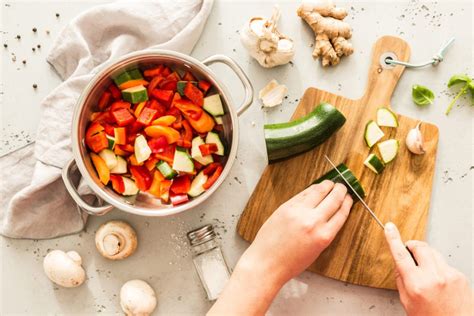
The golden rule of one-pot cooking is to add ingredients in stages, based on their cooking time. Start with ingredients that take the longest to cook and can withstand longer simmering, such as tougher cuts of meat (beef chuck, pork shoulder), root vegetables (potatoes, carrots, parsnips), and dense grains. Softer vegetables (zucchini, bell peppers, leafy greens) and quick-cooking starches (pasta, rice) should be added later in the process.
- First In: Browning meats, aromatics (onions, garlic), tougher root vegetables.
- Midway: Stock, tomatoes, spices, legumes.
- Last In: Quick-cooking vegetables, fresh herbs, dairy, pasta/rice (if not pre-cooked).
2. Mastering Liquid Control
Resist the urge to drown your ingredients! While moisture is necessary for cooking and flavor diffusion, excessive liquid leads to boiling rather than simmering, stripping ingredients of their texture and diluting flavor. Aim for just enough liquid to barely cover your primary ingredients, allowing them to braise rather than boil. You can always add more hot liquid if needed.
3. The Power of Pre-Treatment
Don’t skip the crucial first steps. Browning your meat (like searing beef chunks or chicken thighs) develops deep, savory crusts and complex flavor compounds through the Maillard reaction. Sautéing aromatics like onions and garlic until translucent or caramelized also builds a foundational flavor base that can’t be achieved by simply boiling. For some dishes, even partially roasting root vegetables beforehand can improve their texture and flavor when added to the pot.

4. Acid and Brightness at the Finish
A splash of acidity at the very end can awaken all the flavors in your dish and prevent it from tasting heavy or muddled. A squeeze of lemon juice, a dash of apple cider vinegar, or a spoonful of good quality mustard can provide that much-needed pop. This also adds complexity without requiring long cooking times that would impact texture.
Building Heartland Flavors: Key Ingredients and Combinations
To truly capture that Heartland essence, focus on these building blocks:
- Meats: Beef chuck, pork shoulder, smoked sausage, chicken thighs.
- Vegetables: Potatoes, carrots, celery, onions, parsnips, corn, green beans, peas.
- Legumes: Lentils, kidney beans, cannellini beans.
- Aromatics & Spices: Garlic, bay leaves, thyme, rosemary, smoked paprika, black pepper, Worcestershire sauce.
- Flavor Enhancers: Tomato paste (adds umami and depth), red wine, rich broths.
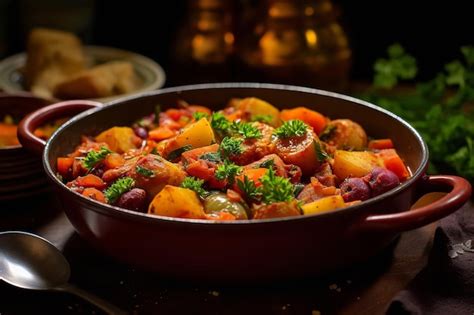
Putting It All Together: A Mental Blueprint
Imagine your one-pot dish as a series of concentric circles. The innermost circle contains the longest-cooking, most robust ingredients, building outward to the more delicate, quicker-cooking elements. Each stage contributes to the overall flavor profile while respecting the unique texture of its components.
By thoughtfully applying these principles—layering, controlling liquid, pre-treating, and finishing with a flourish—you can consistently create one-pot masterpieces that are bursting with Heartland flavor and boast perfectly tender, not mushy, textures. No more sacrificing texture for convenience; you can have both!