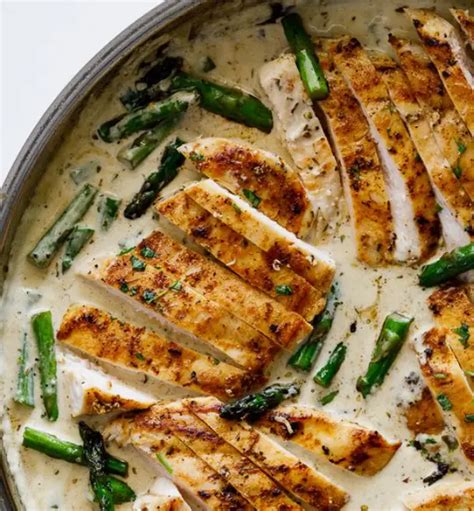





How do I infuse classic Heartland comfort food with even bigger, bolder flavor?

Elevating the Beloved: Beyond the Basics of Heartland Comfort
Classic Heartland comfort food holds a special place in our hearts – it’s the taste of home, of family gatherings, and of pure, unadulterated satisfaction. Dishes like pot roast, macaroni and cheese, casseroles, and mashed potatoes are inherently delicious. However, for those looking to push culinary boundaries, the question often arises: how can we take these beloved classics and infuse them with even bigger, bolder flavors without sacrificing their comforting essence?
The secret lies not in reinvention, but in thoughtful enhancement. It’s about introducing layers of flavor, engaging new senses, and using strategic techniques that amplify what’s already great.
The Power of Aromatic Foundations
The base of many Heartland dishes starts with simple aromatics like onion, celery, and garlic. While essential, we can make them work harder. Consider roasting garlic until sweet and mellow before adding it to mashed potatoes, or caramelizing onions deeply for a rich, umami-packed foundation in stews and casseroles. Incorporating leeks, shallots, or even a touch of fennel can also add new dimensions.
Unleashing the Spice Cabinet
Salt and pepper are non-negotiable, but don’t stop there. Smoked paprika can bring a warm, smoky depth to almost anything, from a simple chicken pot pie to a hearty chili. A pinch of cayenne or red pepper flakes can introduce a gentle heat that wakes up the palate without overpowering. Cumin, coriander, and even a touch of allspice or nutmeg (beyond dessert) can add surprising complexity to savory dishes.

Fresh herbs are another underutilized powerhouse. Instead of just dried parsley, think about handfuls of fresh thyme, rosemary, sage, or dill. These bright, vibrant additions can cut through richness and provide an aromatic lift that dried herbs simply can’t match. Add them towards the end of cooking to preserve their fresh potency.
Umami Boosters: The Fifth Taste Sensation
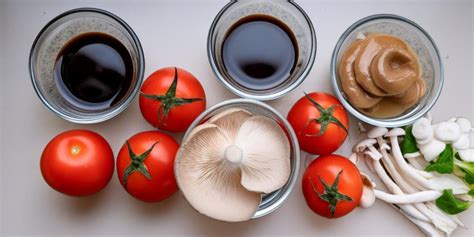
Umami is the savory ‘deliciousness’ that makes food deeply satisfying. Heartland dishes often have natural umami from meat and cheese, but we can supercharge it. Try adding a dash of Worcestershire sauce, soy sauce, or even a spoonful of miso paste to gravies, stews, or meatloaf. A few dried mushrooms rehydrated and finely chopped can also inject a significant umami punch.
Browning for Depth
Never underestimate the power of proper browning. Searing meat thoroughly before slow cooking, or developing a beautiful golden crust on roasted vegetables, creates the Maillard reaction, which is a key source of rich, complex flavor and color. Those browned bits at the bottom of the pan (the ‘fond’) are liquid gold – deglaze them with broth or wine to create incredibly flavorful sauces and gravies.
A Touch of Acidity and Heat
Often, what a rich, comforting dish needs to go from good to great is a touch of brightness. A squeeze of fresh lemon juice, a splash of apple cider vinegar, or a few pickled onions can cut through richness, balance flavors, and make the whole dish pop. The acidity acts like a spotlight, highlighting and intensifying other flavors.
Similarly, a controlled amount of heat can add an exciting edge. Whether it’s a few dashes of your favorite hot sauce, a finely minced jalapeño, or a pinch of smoked chipotle powder, a little kick can awaken the palate and add another layer of enjoyment without making the dish overtly spicy.

Global Inspirations for Local Favorites
Don’t be afraid to borrow from other culinary traditions. A touch of ginger and star anise in a classic pot roast can evoke an Asian-inspired warmth. Adding smoked chipotle peppers and a hint of adobo sauce to a mac and cheese can give it a Southwestern twist. Mediterranean influences like sun-dried tomatoes, olives, or a touch of oregano can transform a basic chicken casserole.

Texture and Garnish: The Finishing Touches
Flavor isn’t just about taste; it’s also about texture and visual appeal. Adding crunchy elements like toasted nuts, crispy fried onions, or fresh breadcrumbs can provide a satisfying contrast to soft, comforting dishes. A sprinkle of fresh herbs, a dollop of sour cream or crème fraîche, or a drizzle of high-quality olive oil can add visual appeal and an immediate burst of fresh flavor.

Conclusion: Respecting Tradition While Embracing Innovation
Infusing classic Heartland comfort food with bigger, bolder flavor isn’t about abandoning tradition; it’s about elevating it. By understanding the building blocks of flavor – aromatics, spices, umami, acid, and heat – and applying them thoughtfully, you can transform beloved dishes into extraordinary culinary experiences. Experiment, taste, and adjust, and soon you’ll be creating comfort food that is not just satisfying, but truly unforgettable.