

Hearty one-pot dinners: How to ensure tender meat AND vibrant veggies?

One-pot meals are the ultimate weeknight heroes, promising minimal cleanup and maximum flavor. Yet, achieving that perfect balance – fall-apart tender meat alongside vibrant, perfectly cooked vegetables – can feel like a culinary tightrope walk. Fear not, home cooks! With a few strategic techniques, you can master the art of the hearty one-pot dinner, ensuring every component shines.
The Meat of the Matter: Selection and Searing
The journey to tender meat begins with choosing the right cut. Opt for tougher, connective tissue-rich cuts like beef chuck, pork shoulder, lamb shank, or chicken thighs – these become incredibly tender with slow, moist heat. Boneless, skinless chicken breasts can work but require careful timing to avoid dryness.
Always sear your meat before adding liquids. This crucial step develops deep, savory flavors through the Maillard reaction, creating a foundation of richness for your dish. Brown it thoroughly on all sides in the same pot you’ll use for the stew, then remove it while you sauté aromatics.

Veggie Vibrancy: Timing is Everything
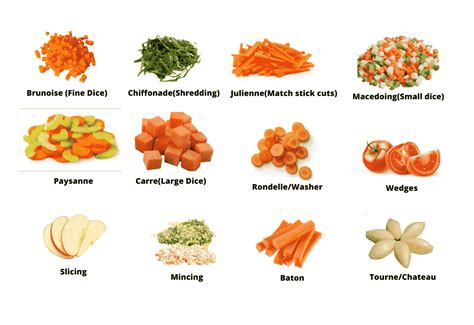
The secret to crisp-tender vegetables, not mushy ones, lies in staggered addition. Not all vegetables cook at the same rate, and understanding this is crucial for one-pot success.
- Hardy Root Vegetables: Potatoes, carrots, parsnips, and squash can go in early with the meat and liquid, as they require longer cooking times to soften.
- Medium-Cook Vegetables: Bell peppers, onions (if not sautéed early), green beans, or larger broccoli florets can be added about halfway through the cooking process.
- Quick-Cook Vegetables: Delicate greens like spinach, kale, peas, or cherry tomatoes should be stirred in during the last 5-10 minutes, or even just before serving, to preserve their color, texture, and nutrients.
Mastering the Moisture and Heat
The right amount of liquid is key. You want enough to simmer the ingredients without drowning them. Broth, stock, wine, or even canned tomatoes provide flavor and moisture. Aim for the liquid to just cover the solid ingredients, or slightly less if you want a thicker sauce.
For truly tender meat and evenly cooked vegetables, low and slow is often the way to go. Whether you’re simmering on the stovetop or baking in the oven, a gentle, consistent heat prevents scorching and allows flavors to meld beautifully. If cooking in the oven, covering the pot for most of the cooking time helps retain moisture and promotes even cooking.
Layering for Success and Finishing Touches
Beyond staggered addition, consider layering. Place hardier ingredients at the bottom of the pot, closer to the heat source, and more delicate items on top, where they’ll steam gently rather than boil. This technique is particularly effective in an oven-baked one-pot.
To elevate your one-pot creation, don’t forget the finishing touches. A squeeze of lemon juice, a splash of vinegar, or a handful of fresh herbs (parsley, cilantro, dill) stirred in just before serving can brighten flavors, add a pop of color, and provide a fresh counterpoint to the rich, cooked ingredients. These small additions make a big difference.
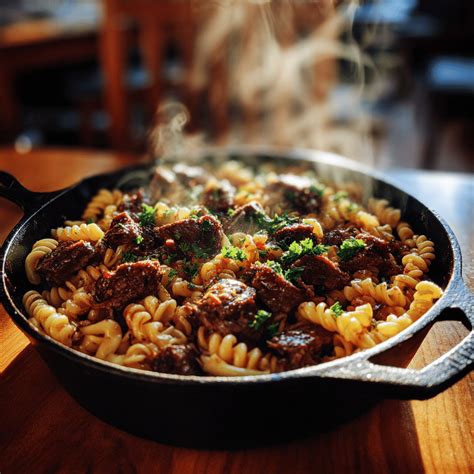
With thoughtful ingredient selection, strategic timing, and a bit of layering wisdom, your next one-pot dinner can be a culinary masterpiece. Enjoy the delicious reward of tender meat and vibrant vegetables, all from a single, glorious pot!