
Heartland pie crust: Prevent soggy bottoms & achieve flaky perfection?

The Quest for the Perfect Pie Crust: No More Soggy Bottoms!
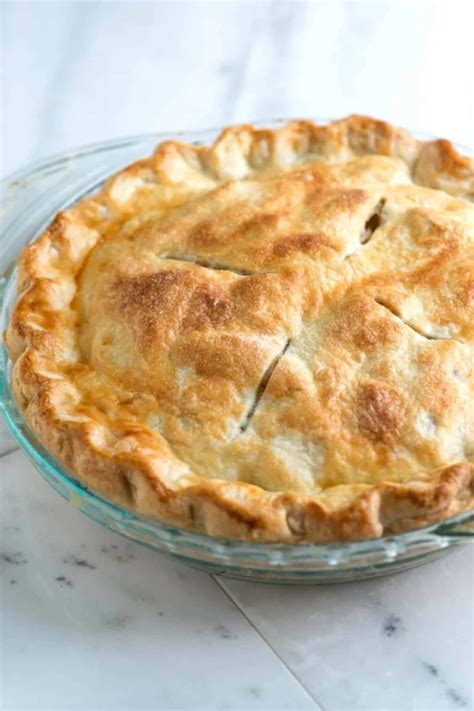
There’s nothing quite like a homemade pie – the aroma filling your kitchen, the comforting taste, and the sheer satisfaction of creating something delicious from scratch. Yet, for many home bakers, the dream of a perfect pie is often thwarted by the dreaded soggy bottom or a crust that lacks that coveted flaky texture. Fear not, fellow bakers! Crafting a Heartland-worthy pie crust that is both crisp on the bottom and exquisitely flaky throughout is entirely achievable with the right techniques and a little know-how.
The Foundation: Quality Ingredients & Optimal Temperature
The journey to pie perfection begins with your ingredients. Think cold, cold, cold! The colder your butter or fat, the flakier your crust will be. Solid fat, when it melts in the hot oven, creates steam that separates the layers of dough, resulting in that delightful flakiness. High-quality all-purpose flour, a pinch of salt for flavor, and ice-cold water are your best friends. Some bakers swear by a mix of butter for flavor and shortening or lard for extra flakiness and easier handling.

Mastering the Mix: Technique is Key
Cutting in the Fat
Whether you’re using a food processor or your hands, the goal is to cut the cold fat into the flour until it resembles coarse meal with some pea-sized pieces of butter remaining. These larger pieces are crucial for creating those pockets of steam that lead to flakiness. Overworking the dough at this stage develops gluten, leading to a tough crust.
Adding Ice Water
Gradually add ice water, one tablespoon at a time, mixing just until the dough comes together. The exact amount can vary based on flour and humidity, so add sparingly. The dough should be shaggy but hold together when squeezed. Form it into one or two discs, wrap tightly in plastic, and refrigerate for at least 30 minutes, or up to 2 days. Chilling allows the flour to fully hydrate and the gluten to relax, making the dough easier to roll and more tender.

Rolling Out Perfection
When ready to roll, remove the dough from the fridge and let it sit for a few minutes to soften slightly, but don’t let it get warm. On a lightly floured surface, roll the dough from the center outwards, rotating it frequently to prevent sticking and ensure even thickness. Aim for a thickness of about 1/8 to 1/4 inch. Transfer gently to your pie plate.

Battling the Blight: Preventing Soggy Bottoms
This is where many pies falter, but a few simple steps can guarantee a crisp, golden bottom:
- Blind Baking (Par-Baking): For pies with wet fillings (like quiches or fruit pies), blind baking is non-negotiable. Line your unbaked pie crust with parchment paper, fill with pie weights, dried beans, or rice, and bake until the edges are set and lightly golden. Remove the weights and paper, then continue baking for another 5-10 minutes until the bottom appears dry and lightly colored. This forms a protective barrier against the filling’s moisture.
- Egg Wash or Butter Wash: For savory pies or custards, a thin layer of egg wash (beaten egg) or melted butter brushed onto the par-baked crust can create an extra moisture barrier.
- Hot Oven & Preheated Baking Sheet: Start your pie in a very hot oven, often on a preheated baking sheet. The initial burst of heat helps to set the bottom crust quickly.
- Thicken Your Filling: If your filling is particularly juicy, consider using a thickener like cornstarch, flour, or tapioca to reduce the amount of liquid that can seep into the crust.

The Secret to Flaky Layers
Flakiness is the direct result of using cold fat and minimal handling. As the cold butter or fat pieces melt in the oven, they release steam, which pushes up the layers of gluten-free flour, creating air pockets and distinct, crispy layers. Overworking the dough makes the fat emulsify with the flour, preventing these steam pockets from forming.

Final Tips for Pie Perfection
- Don’t Skip the Chill: Chilling phases are non-negotiable. They relax gluten, solidify fat, and make dough easier to handle.
- Hot Oven is Your Friend: A higher initial temperature helps prevent shrinking and sets the crust.
- Listen to Your Dough: It will tell you if it’s too warm (sticky) or too cold (cracking). Adjust accordingly.
With these techniques in your baking arsenal, you’re well on your way to crafting a Heartland pie crust that boasts both a gloriously flaky texture and a perfectly crisp, never-soggy bottom. Get ready to impress with your next homemade pie!