



Heartland one-pot: How to achieve tender meat, crisp veggies, and bold flavor?

The Art of the Heartland One-Pot Meal
There’s a special kind of comfort found in a hearty one-pot meal, especially one that evokes the soul-satisfying flavors of the American Heartland. But the true mastery lies in defying the common pitfalls: mushy vegetables, dry meat, or bland flavors. This guide will walk you through the techniques to achieve that coveted trifecta: fork-tender meat, perfectly crisp vegetables, and a symphony of bold, integrated flavors, all from a single pot.
Choosing Your Vessel and Vetting Your Ingredients
The right pot is your most crucial tool. A heavy-bottomed Dutch oven or a deep cast-iron skillet provides even heat distribution, essential for searing and slow simmering. Opt for cuts of meat that benefit from longer cooking times, like chuck roast, pork shoulder, or bone-in chicken thighs. For vegetables, think about their cooking times – sturdy root vegetables can go in earlier, while delicate greens and herbs should be added towards the end.

Mastering the Tender Meat Technique
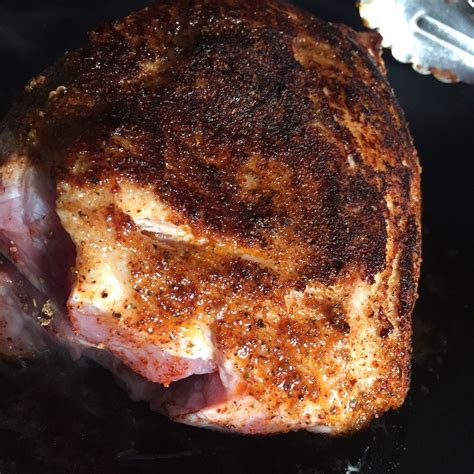
Achieving melt-in-your-mouth meat starts with foundational steps. Searing is non-negotiable. A high-heat sear creates a rich, flavorful crust (the Maillard reaction) that locks in juices and builds the initial layer of flavor for your pot. Don’t overcrowd the pot; sear in batches if necessary. After searing, deglaze the pot with a splash of broth, wine, or even water, scraping up all those flavorful brown bits (fond) – this is pure flavor gold.
For tougher cuts, a low and slow braise is key. Once seared, nestle the meat into your liquid (broth, diced tomatoes, or a combination) ensuring it’s partially submerged, then cover and simmer gently on the stovetop or in the oven. This breaks down connective tissues, rendering the meat incredibly tender and infusing it with flavor.
Secrets to Crisp Vegetables
The bane of many one-pot dishes is overcooked, mushy vegetables. The secret lies in staggered addition. Start with vegetables that take longer to cook, like carrots, potatoes, and parsnips, adding them after the meat has had some time to braise or at the beginning with aromatics. Firmer vegetables like bell peppers or green beans can go in mid-way.
Delicate vegetables, such as spinach, kale, or quick-cooking peas, should be added in the final 5-10 minutes of cooking, often simply wilting them with the residual heat. Avoid overcrowding the pot; if you have too many veggies, they’ll steam rather than brown, leading to a softer texture. Sometimes, a quick stir-fry of certain veggies in a separate pan right before serving and adding them in at the very end can preserve their vibrant crunch.

Unlocking Bold, Layered Flavors
Blandness is the enemy. Build flavor from the ground up:
-
Aromatics First:
Always start with sautéing onions, garlic, celery, and sometimes bell peppers until fragrant and softened. This forms the base of your flavor profile.
-
Spices and Herbs:
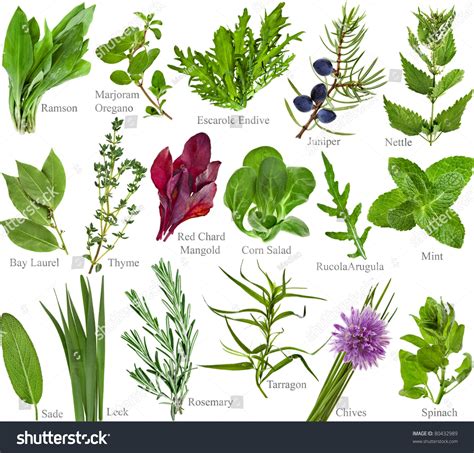
Bloom dried spices (like paprika, cumin, chili powder) in the hot oil with your aromatics for a minute or two before adding liquids. Fresh herbs, on the other hand, are often best stirred in at the end to preserve their bright notes, or added tied in a bouquet garni for simmering.
-
Acids and Umami:
A touch of acidity (diced tomatoes, a splash of vinegar, or a squeeze of lemon juice at the end) brightens and balances rich flavors. Umami-rich ingredients like tomato paste (sautéed until darkened), mushrooms, Worcestershire sauce, or even a Parmesan rind added during simmering, deepen the savoriness.
-
Seasoning Throughout:
Don’t just season at the end. Season the meat before searing, season your aromatics, and adjust salt and pepper as liquids reduce.
Bringing It All Together for a Perfect Heartland One-Pot
Imagine a pot where browned chuck roast simmers in a rich gravy, infused with roasted aromatics, and finished with vibrant, perfectly tender-crisp carrots, potatoes, and green beans. It’s not just a meal; it’s an experience.
Start with searing the meat, then build your aromatic base, deglaze the pan, add your liquids and long-cooking vegetables. Allow the meat to braise until tender, then introduce the quicker-cooking vegetables in stages, tasting and adjusting seasoning as you go. Finish with fresh herbs and a final check of the consistency. The result is a harmonious, flavor-packed dish that truly nourishes the soul.
Conclusion
Achieving the perfect Heartland one-pot meal—tender meat, crisp veggies, and bold flavor—is entirely within reach. By focusing on proper technique, strategic ingredient addition, and diligent flavor building, you can transform simple ingredients into a comforting masterpiece that will impress and satisfy every time. Happy cooking!