

Heartland casserole secret: How to ensure crispy topping, never soggy bottom?

The Quest for Casserole Perfection: No More Soggy Surprises!
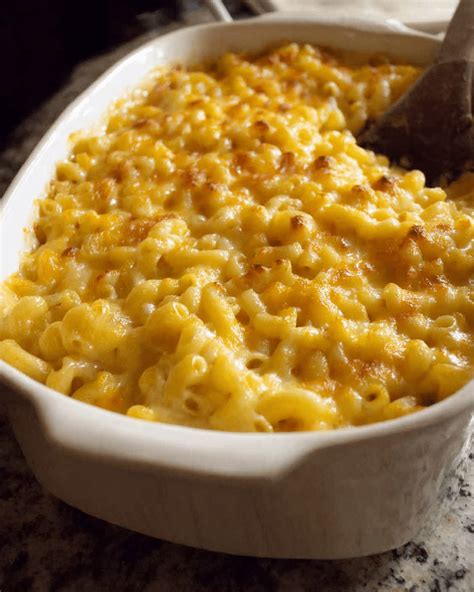
Ah, the Heartland casserole! A true emblem of comfort food, bringing warmth and satisfaction to countless tables across the Midwest. But how many times have you eagerly pulled a bubbling casserole from the oven, only to be met with a disappointing, soggy bottom or a topping that lacks that coveted golden crispness? The struggle is real, but achieving casserole perfection is entirely within reach. With a few key techniques, you can transform your everyday bake into a culinary triumph, guaranteeing a delightful crunch on top and a perfectly set, never-soggy foundation every single time.

The Foundation: Preventing the Dreaded Soggy Bottom
The secret to a sturdy, non-soggy base begins long before the casserole even hits the oven. Moisture management is paramount.
Choose Your Dish Wisely
- Material Matters: Glass or ceramic baking dishes are excellent choices as they distribute heat evenly.
- Size and Depth: Ensure your dish isn’t too deep for the volume of ingredients. An overly deep dish can trap steam, leading to sogginess. A wider, shallower dish allows for better evaporation.
The Right Ingredients & Preparation
- Pre-Cook or Sauté: Many casserole recipes call for vegetables like onions, bell peppers, or mushrooms. Sautéing these beforehand not only develops flavor but, crucially, cooks out much of their inherent moisture.
- Drain Excess Moisture: If using canned ingredients (like diced tomatoes or corn), always drain them thoroughly. For ground meats, brown them well and then drain off any excess fat and liquid before adding to the casserole mix.
The Starch Factor: Thickening and Absorption
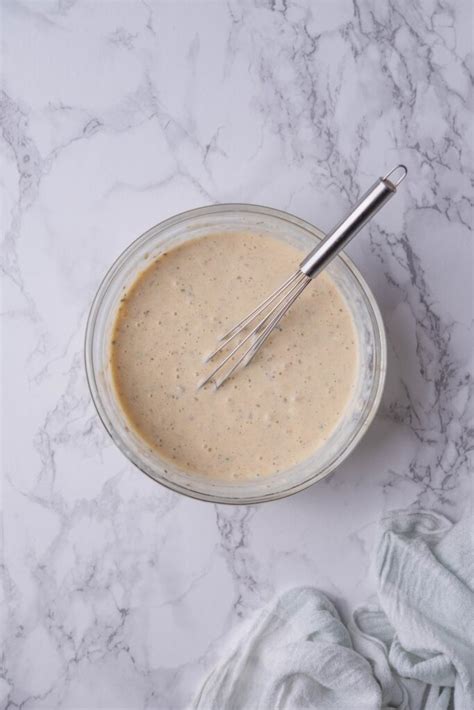
Starches are your allies. If your casserole includes a sauce, ensure it’s adequately thickened. A thin, watery sauce is a recipe for a soggy bottom. A roux, cornstarch slurry, or flour can help achieve the right consistency. Furthermore, consider adding a layer of absorbent material at the bottom. A thin layer of crushed crackers, breadcrumbs, or even thinly sliced potatoes can act as a barrier, soaking up any excess moisture before it can compromise the bottom layer.
Achieving the Golden, Crispy Topping
A truly great casserole boasts a topping that’s not just cooked, but gloriously golden and crispy. Here’s how to master it.
The Topping Itself
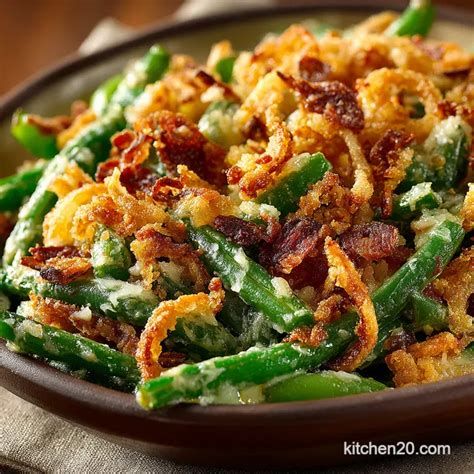
- Breadcrumbs & Crumble Mixes: These are classic for a reason. For extra crispness, toss breadcrumbs (Panko is excellent for this) with a little melted butter or olive oil before sprinkling.
- Cheese: While cheese melts beautifully, for crispiness, consider a blend. Use a cheese that melts well for gooeyness, but also add a sprinkle of a harder cheese like Parmesan for a drier, crispier finish.
- Crushed Crackers/Cereal: Similar to breadcrumbs, these can add a delightful texture. Ensure they are lightly coated in fat for better browning.
Strategic Layering
Don’t add your crispy topping too early in the baking process if your casserole requires a long cooking time. It can over-brown or burn. Instead, add it during the last 15-20 minutes of baking, allowing it just enough time to crisp up beautifully.
The Oven’s Role
- Temperature: Most casseroles bake well between 350°F and 375°F (175°C and 190°C). Ensure your oven is preheated to the correct temperature.
- The Final Flourish (Broil Option): If your casserole is cooked through but the topping still isn’t quite crisp enough, a quick minute or two under the broiler can do wonders. Watch it like a hawk, as it can go from perfect to burnt in seconds! Position the casserole on an upper rack for best results.

Post-Baking Patience: A Crucial Step
Once your masterpiece emerges from the oven, resist the urge to immediately dig in. Just like a good roast, a casserole benefits from a resting period. Let it sit for 10-15 minutes. This allows the internal components to set further, redistributing moisture and preventing it from becoming a watery mess when you cut into it. This resting period helps solidify the base and maintains the integrity of the layers, ensuring that crispy topping remains distinct.

Embrace Casserole Confidence
With these simple yet effective techniques, you’re now equipped to tackle any Heartland casserole recipe with confidence. Say goodbye to soggy bottoms and lacklustre toppings, and hello to perfectly textured, utterly delicious comfort food that will have everyone asking for seconds. Happy baking!