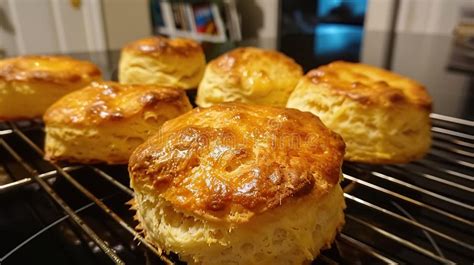

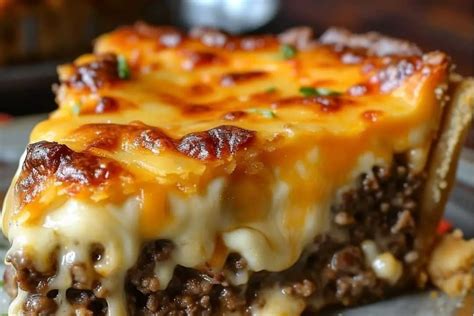

What’s the secret to fluffy, flavorful buttermilk biscuits that rise high?
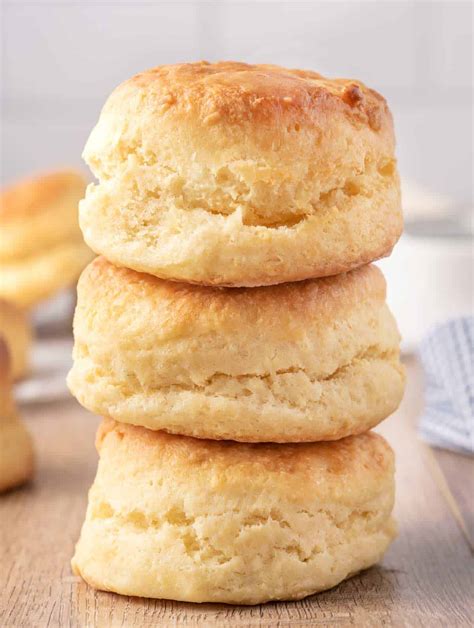
The Quest for the Perfect Buttermilk Biscuit
There’s nothing quite like a warm, tender buttermilk biscuit, split open and slathered with butter or jam. But achieving that elusive combination of sky-high rise, flaky layers, and rich, tangy flavor can feel like a culinary mystery. Fear not, aspiring bakers! The secret isn’t magic; it’s a careful blend of science, technique, and a few key ingredients. Let’s unlock the secrets to your best biscuits yet.
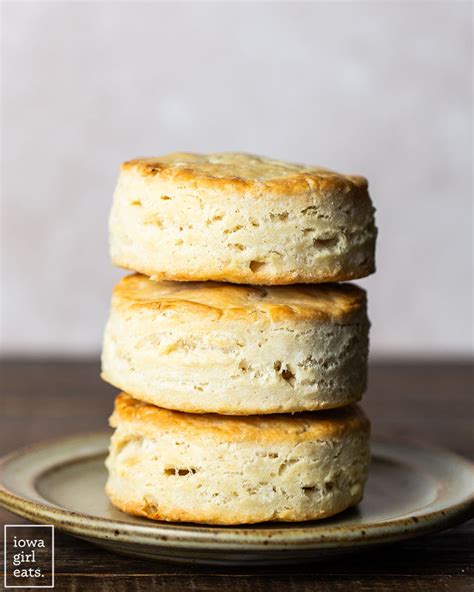
Cold Ingredients: The Cornerstone of Flakiness
The number one rule for exceptional biscuits begins before you even touch the flour: everything must be cold. We’re talking ice-cold butter and chilled buttermilk. Why? When cold butter hits a hot oven, the water within it turns into steam, creating pockets that separate the dough into distinct, flaky layers. If your butter is too warm, it melts into the flour prematurely, resulting in a dense, cake-like texture.
Pro Tip: Grate your frozen butter directly into the flour mixture, or cut it into small cubes and return it to the freezer for 15 minutes before mixing. This ensures maximum coldness and even distribution.
The Right Flour and Leavening Agents
While all-purpose flour works, using a lower-protein flour (like a blend of all-purpose and cake flour, or even just soft wheat flour) can yield a more tender biscuit. Less protein means less gluten development, which translates to a softer crumb.
For leavening, you’ll typically use baking powder and baking soda. Baking soda reacts with the acidity of the buttermilk, creating carbon dioxide gas that helps the biscuits rise. Baking powder provides an additional lift, often with a double-acting effect, giving your biscuits that impressive height.
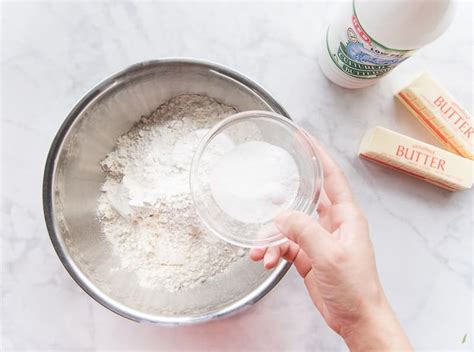
Mastering Fat Incorporation and Dough Handling
This is where many bakers go wrong. The goal is to incorporate the cold butter into the flour mixture until it resembles coarse crumbs with some pea-sized pieces still visible. This is crucial for creating those steam pockets. Overmixing will develop the gluten and melt the butter, leading to tough biscuits.
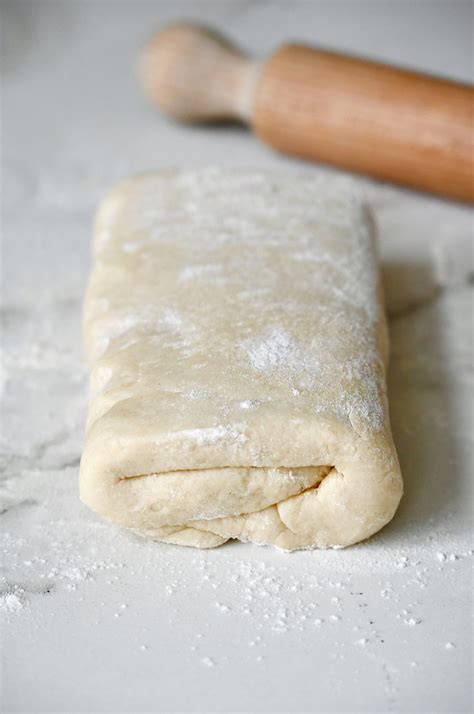
Once the buttermilk is added, mix just until the dough comes together. It should be shaggy and somewhat sticky. Turn it out onto a lightly floured surface and here’s a game-changer: the ‘fold and pat’ method. Instead of rolling, gently pat the dough into a rectangle, fold it into thirds (like a letter), then pat it down again. Repeat this process 2-3 times. This creates additional layers without overworking the dough, enhancing both flakiness and rise.
Cutting and Baking for Maximum Rise
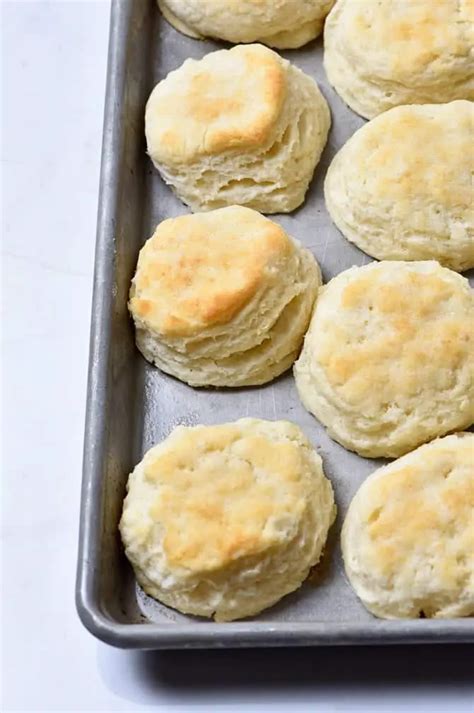
When cutting your biscuits, use a sharp biscuit cutter and press straight down – do not twist. Twisting seals the edges of the dough, preventing it from rising properly. For the tallest biscuits, place them close together on a baking sheet; this helps them ‘push’ each other up as they bake. If you prefer crispier edges, space them further apart.
Finally, bake your biscuits in a very hot oven (around 425-450°F or 220-230°C). The high heat creates an initial burst of steam and quickly sets the biscuit structure before the butter can fully melt out, locking in that impressive rise and golden-brown crust.
The Final Word: Practice Makes Perfect
The secret to fluffy, flavorful buttermilk biscuits that rise high isn’t a single magical ingredient, but rather the harmonious execution of several key techniques. From keeping ingredients cold and properly incorporating fat to gentle handling and a hot oven, each step plays a vital role. With a little practice and patience, you’ll soon be pulling trays of perfect, golden-brown biscuits from your oven, ready to impress and delight.