

What key steps ensure big flavor and even cooking in hearty one-pot meals?

One-pot meals are the ultimate culinary convenience, promising deliciousness with minimal cleanup. Yet, achieving that perfect balance of rich flavor and consistently cooked ingredients can sometimes feel like a culinary tightrope walk. The secret lies in understanding a few key principles that transform a simple combination of ingredients into a harmonious, deeply flavorful, and evenly cooked feast.
The Foundation: Building Flavor Layers
Great one-pot meals don’t just happen; they’re built on a foundation of flavor. This starts with proper browning and sautéing.
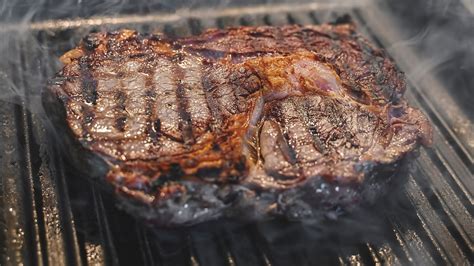
- Sear Meats First: Before adding any liquids or vegetables, sear your proteins (chicken thighs, sausage, stew beef) until deeply browned. This caramelization, known as the Maillard reaction, creates incredible depth and savory notes that will permeate the entire dish. Remove the seared meat and set aside.
- Sauté Aromatics: In the same pot, using the rendered fat or a touch of oil, gently sauté your aromatics – onions, garlic, celery, carrots. Cook them until softened and fragrant, allowing their natural sugars to develop. This step builds the aromatic base of your meal.
- Deglaze for Depth: After sautéing, deglaze the pot with a splash of wine, broth, or even water. Scrape up all those flavorful browned bits (fond) stuck to the bottom of the pot; they are packed with concentrated flavor.
Strategic Ingredient Addition and Timing
Not all ingredients cook at the same rate. Adding them in the correct sequence is crucial for even cooking and optimal texture.
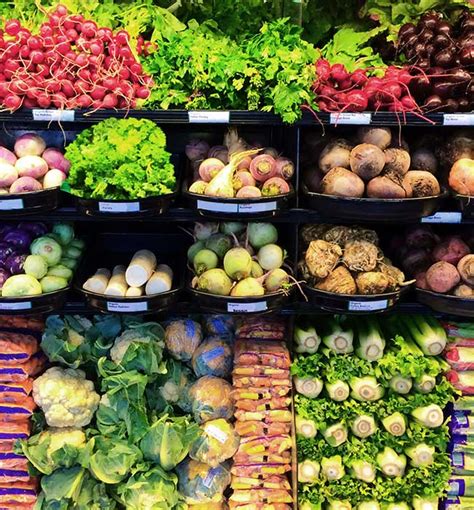
- Hard Vegetables First: Root vegetables like potatoes, carrots, and parsnips, which require longer cooking times, should be added with the liquids and brought to a simmer early in the process.
- Grains and Pasta: Most grains (rice, farro) and pasta varieties cook relatively quickly. Add them at a point where they will have just enough time to cook through, absorbing the flavorful liquid without becoming mushy. Typically, this means adding them about 15-20 minutes before the dish is expected to be done.
- Quick-Cooking Ingredients Last: Delicate vegetables (spinach, peas), fresh herbs, or pre-cooked proteins should be stirred in during the final minutes of cooking, or even off the heat, just before serving. This preserves their texture, color, and fresh flavor.
Mastering Liquid Management
The right amount and type of liquid are essential for both flavor infusion and even cooking.
- Choose Wisely: Use flavorful liquids like good quality broth, stock, crushed tomatoes, or a combination of these with wine or beer. Avoid plain water if possible, as it dilutes flavor.
- Less is More (Initially): While you need enough liquid to cook your ingredients, don’t drown them. Start with enough liquid to just barely cover your solid ingredients. You can always add more hot liquid later if needed, but it’s hard to remove excess without compromising flavor.
- Maintain a Gentle Simmer: A rolling boil can break down delicate ingredients and cause uneven cooking. A gentle simmer ensures steady, consistent heat transfer, allowing flavors to meld beautifully without overcooking some elements while others remain raw.

Temperature Control and Lid Use
Even cooking relies heavily on consistent temperature and proper moisture retention.
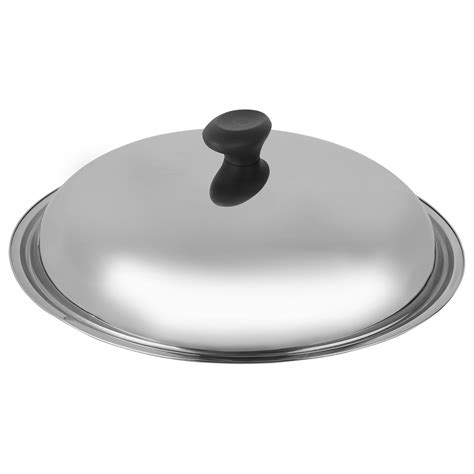
- Tight-Fitting Lid: A lid is your best friend. It traps steam, ensuring that heat circulates evenly around all ingredients. This is especially vital for grains and pasta, allowing them to cook thoroughly and absorb liquid.
- Resist the Urge to Peek: Frequent lifting of the lid releases steam and lowers the internal temperature, extending cooking time and potentially leading to uneven results.
- Stirging Judiciously: Stir occasionally to prevent sticking and ensure even cooking, especially for ingredients at the bottom of the pot. However, avoid constant stirring, which can break down delicate ingredients.
The Finishing Touches: Brightness and Balance
Even the most perfectly cooked one-pot meal can benefit from a burst of fresh flavor at the end.
- Fresh Herbs: Stir in a handful of fresh parsley, cilantro, dill, or basil just before serving. Their vibrant notes lift the entire dish.
- Acidity: A squeeze of lemon or lime juice, a dash of vinegar, or a spoonful of yogurt or sour cream can brighten flavors and cut through richness.
- Richness: A swirl of good olive oil, a knob of butter, or a sprinkle of grated cheese can add a luxurious finish.
- Season to Taste: Always taste and adjust seasoning (salt, pepper, spices) right before serving. Flavors can change as they meld and reduce during cooking.

Conclusion
Crafting truly memorable and consistently delicious one-pot meals is an art perfected through attention to detail. By consciously layering flavors, timing your ingredient additions, managing your liquids effectively, controlling temperature, and adding thoughtful finishing touches, you can transform simple ingredients into a deeply satisfying and evenly cooked masterpiece, making weeknight dinners a joy rather than a chore.