

My pies have soggy bottoms! How to get a crisp, golden crust on your Heartland apple pie?

The Dreaded Soggy Bottom: A Baker’s Nemesis
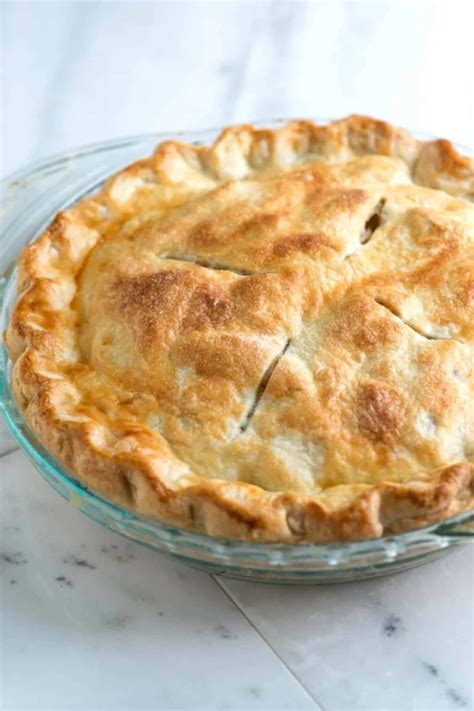
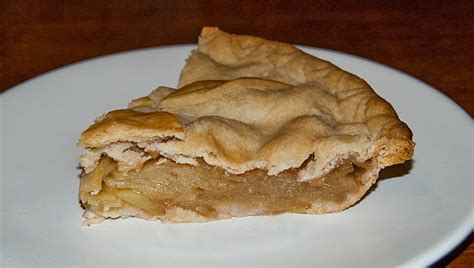
There’s nothing quite as disheartening as pulling a beautiful apple pie from the oven, only to discover, upon slicing, that your glorious, golden top crust conceals a wet, unbaked, or soggy bottom. It’s a common baking woe, but fear not! Achieving that coveted crisp, golden crust on your Heartland apple pie is entirely possible with a few strategic techniques and a little know-how.
Fortify Your Foundation: The Pie Crust Prep
The secret to a crisp bottom often starts before the filling even enters the picture. Think of your pie crust as the foundation of a house – it needs to be strong and dry to support everything else.
Blind Bake (Par-Bake) Your Bottom Crust: This is arguably the most critical step. Blind baking partially cooks the crust before adding the wet filling, giving it a head start and preventing it from becoming saturated. Line your pie dish with the rolled-out bottom crust, crimp the edges, then prick the bottom all over with a fork. Line it with parchment paper and fill with pie weights, dried beans, or rice. Bake in a preheated oven (typically 375-400°F or 190-200°C) for 15-20 minutes, or until the edges are lightly golden. Remove the weights and parchment, then bake for another 5-10 minutes until the bottom looks dry and slightly golden. Let it cool completely.

Seal the Deal: After blind baking and cooling, you can add an extra layer of protection. Brush the bottom and sides of the par-baked crust with a thin layer of egg wash (one egg beaten with a teaspoon of water or milk) or melted butter. This creates a barrier against the moisture from the filling. Some bakers even sprinkle a very thin layer of fine breadcrumbs, crushed cornflakes, or gingersnap crumbs on the bottom before adding the filling – these act as a sponge to absorb excess moisture.
Taming the Moisture Monster: Your Apple Filling
Apples are naturally juicy, and that juice is the primary culprit behind soggy bottoms. Managing this moisture is key.
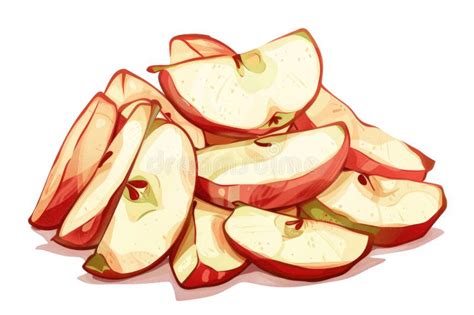
Choose the Right Apples: Opt for firm, crisp apples that hold their shape well and don’t release too much liquid when cooked. Granny Smith, Honeycrisp, Braeburn, and Fuji are excellent choices. A mix of sweet and tart varieties often yields the best flavor.
Pre-Cook or Drain Your Apples: For very juicy apples, consider gently cooking them with your sugar and spices for a few minutes on the stovetop until they just begin to soften. This allows some moisture to evaporate and the apples to shrink slightly, preventing a gap between the filling and the top crust. Alternatively, if you’re not pre-cooking, mix your sliced apples with sugar and spices and let them sit for 30-60 minutes. Drain any excess liquid that accumulates before adding the apples to the crust.
Employ Thickeners Wisely: Cornstarch, all-purpose flour, and tapioca starch are your friends. Tapioca starch (often found as instant tapioca) is excellent for fruit pies as it creates a clear gel and performs well in acidic environments. Cornstarch also works well but can sometimes create a slightly cloudy filling. Use the recommended amount in your recipe; too little and your pie will be watery, too much and it will be gummy.
The Art of the Bake: Oven Temperature & Placement
How you bake your pie also significantly impacts the crispness of the bottom crust.
Start Hot, Then Lower: Many recipes recommend starting your pie in a very hot oven (425-450°F or 220-230°C) for the first 15-20 minutes, then reducing the temperature to 375°F (190°C) for the remainder of the baking time. The initial blast of high heat helps to set the bottom crust quickly before the filling has a chance to soak in.

Lower Rack is Your Friend: Place your pie on the lowest rack in your oven. This positions the bottom of the pie closer to the direct heat source, promoting thorough cooking and browning of the bottom crust.
Use a Baking Sheet: Always place your pie on a preheated baking sheet (or pizza stone) before putting it into the oven. The hot surface conducts heat directly to the bottom of the pie, further assisting in crisping the crust. It also catches any drips, keeping your oven clean.
The Patience Game: Cooling is Crucial
You’ve done all the hard work; don’t ruin it now by being impatient!
Cool Completely: Allow your apple pie to cool on a wire rack for several hours, or even overnight, before slicing and serving. This allows the filling to set properly, prevents it from running out, and, crucially, gives any residual steam a chance to escape from the bottom crust. Cutting into a hot pie traps steam, which can condense and re-saturate your beautifully crisp bottom crust.
Your Crisp Crust Awaits
Achieving a crisp, golden crust on your Heartland apple pie is a journey of understanding and addressing moisture. By blind baking, properly preparing your filling, optimizing your baking process, and having the patience to cool your pie fully, you’ll banish soggy bottoms to the past and delight in every perfectly textured bite. Happy baking!