


My homestyle comfort food lacks ‘big flavor.’ How can I boost its richness & depth?

Unlocking Deeper Flavors in Your Comfort Food
It’s a common lament among home cooks: your comfort food dishes are good, hearty, and satisfying, but they just don’t have that ‘wow’ factor – that incredible richness and depth of flavor you crave. That’s okay! Many home cooks fall into the trap of relying on basic techniques and ingredients, inadvertently leaving a lot of flavor potential on the table. The good news is that achieving ‘big flavor’ isn’t about complex recipes; it’s about understanding a few fundamental principles and applying them strategically.
To truly elevate your homestyle meals, we need to think beyond simply combining ingredients and focus on building flavor from the ground up. This involves a blend of smart cooking techniques, strategic ingredient choices, and an understanding of how different elements interact to create a truly memorable dish.
The Foundation: Mastering the Maillard Reaction & Browning
One of the most impactful ways to create deep flavor is through the Maillard reaction – the chemical process responsible for the browning of food and the development of hundreds of new flavor compounds. This isn’t just about color; it’s about flavor.
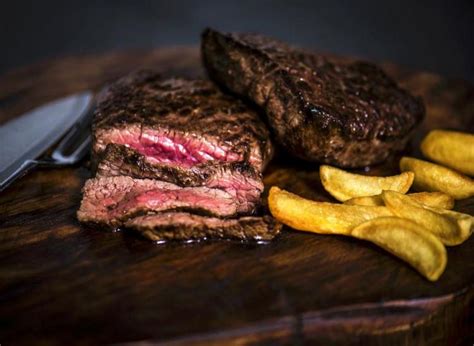
- Sear Your Meats Properly: Whether it’s beef for a stew, chicken thighs for a casserole, or pork shoulder, always brown your meat thoroughly on all sides before adding liquids. Don’t crowd the pan, use high heat, and let a beautiful crust form.
- Caramelize Your Onions: Don’t just sauté onions until translucent. Take the time to slowly cook them over medium-low heat until they are deep golden brown and sticky sweet. This transformation adds incredible sweetness and umami.
- Roast Your Vegetables: Instead of boiling or steaming, roasting vegetables like carrots, potatoes, or even aromatics like garlic and ginger intensifies their natural sugars and flavors, adding a roasted depth to your dishes.
Harnessing Umami: The Fifth Taste Sensation
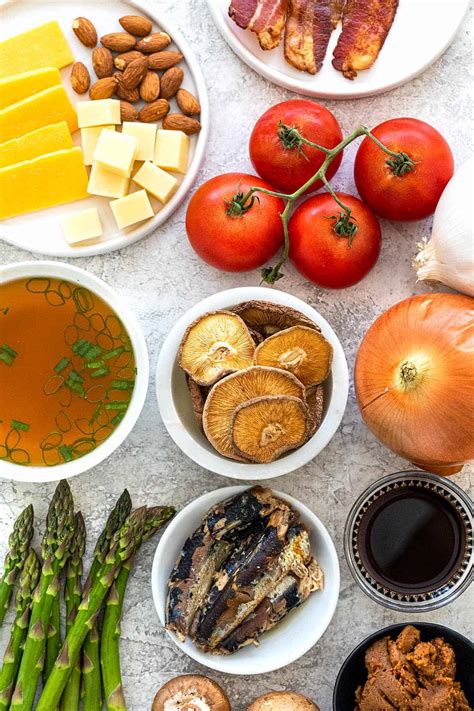
Umami is often described as savory, meaty, or brothy, and it’s key to adding depth and complexity. Incorporating umami-rich ingredients can transform a flat dish into something truly satisfying.
- Mushrooms: Sautéed mushrooms, mushroom powder, or even dried mushrooms rehydrated in hot water (save the liquid!) are umami powerhouses.
- Tomatoes: Sun-dried tomatoes, tomato paste (browned in oil before adding liquids), and slow-roasted tomatoes are concentrated sources of umami.
- Aged Cheeses: Parmesan, Pecorino, and other hard, aged cheeses offer a savory punch.
- Fermented Foods: Soy sauce, fish sauce, Worcestershire sauce, miso paste, and even a touch of anchovy paste (it melts away, leaving no fishy taste, just depth) are fantastic for adding a layer of savory richness.
- Bone Broth/Stock: Using a high-quality, long-simmered bone broth instead of water or thin stock provides a much richer base for soups, stews, and sauces.
The Strategic Use of Fats and Acids
Fats carry flavor, and acids brighten and balance. Don’t skimp on good quality fats, and learn how to use acids to your advantage.
- Good Fats: Butter, olive oil, bacon fat, or rendered duck fat add luxurious mouthfeel and carry fat-soluble flavor compounds throughout your dish. Deglazing the pan with a bit of butter after searing can capture all those delicious browned bits.
- Acids for Brightness: A squeeze of lemon juice, a splash of vinegar (red wine, balsamic, or apple cider), or even a touch of white wine at the end of cooking can cut through richness, prevent a dish from tasting heavy, and make all the flavors pop. Acids wake up your palate.

Layering Flavors and the Magic of Time
Great flavor isn’t usually created all at once; it’s built in layers, with each step adding complexity. Time also plays a crucial role in allowing flavors to meld and deepen.
- Deglazing: After searing meat or caramelizing vegetables, pour in a liquid (wine, stock, or even water) and scrape up all the browned bits from the bottom of the pan. This ‘fond’ is pure flavor gold.
- Wine & Spirits: A splash of dry red or white wine, sherry, or even a good stout can add significant depth and sophisticated flavor notes to many comfort foods, especially stews and braises.
- Slow Cooking: For many comfort foods like stews, chilis, and braises, extended simmering or slow cooking allows ingredients to break down, release their flavors, and meld into a cohesive, deeply flavored whole. Patience is a virtue in building depth.

Herbs, Spices, and Finishing Touches
Finally, don’t underestimate the power of herbs, spices, and a thoughtful finish to elevate your dishes.
- Toast Your Spices: Whole spices gently toasted in a dry pan before grinding or adding to oil will release more aromatic compounds and deliver a more vibrant flavor.
- Fresh Herbs: While dried herbs are great for long cooking, a sprinkle of fresh, tender herbs (parsley, cilantro, chives, basil) added at the very end provides a burst of freshness and aroma that lifts the entire dish.
- Finishing with Fat: A drizzle of high-quality extra virgin olive oil, a swirl of fresh butter, or a dollop of crème fraîche or sour cream just before serving can add a luxurious texture and rich flavor.
- Salt to Taste: Proper seasoning throughout the cooking process, and a final adjustment before serving, ensures all other flavors shine.

Transforming your homestyle comfort food from merely good to truly spectacular is an exciting journey of culinary discovery. By focusing on browning, embracing umami, balancing with fats and acids, layering your flavors, and paying attention to finishing touches, you’ll soon be creating dishes that are not just comforting, but also incredibly rich, complex, and full of that ‘big flavor’ you’ve been craving. Experiment with these techniques, trust your taste buds, and enjoy the delicious results!