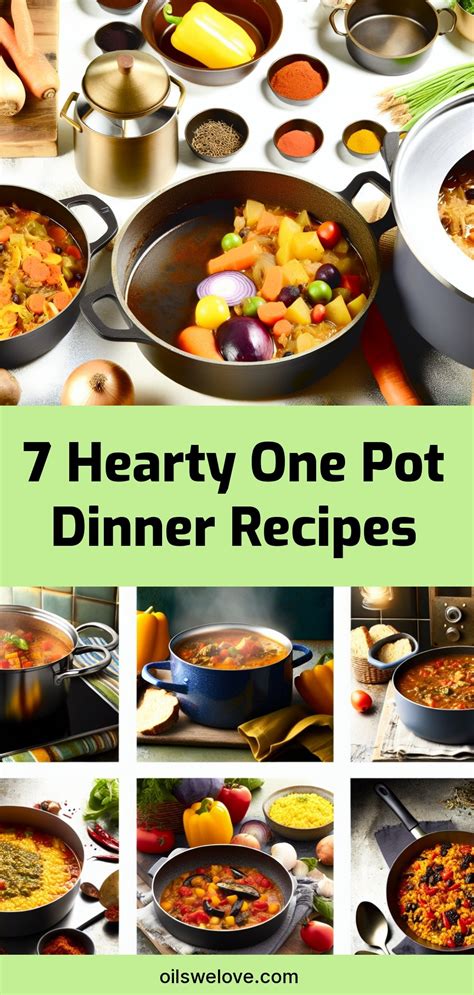





Mastering one-pot meals: What order of ingredients ensures big Heartland flavor?

The Secret to Savor: Why Order Matters in One-Pot Wonders
One-pot meals are the ultimate convenience, promising less cleanup and often deeper flavors as ingredients meld together. However, achieving that coveted ‘big Heartland flavor’—rich, comforting, and robust—isn’t just about throwing everything into a single pot. It’s about a strategic dance of ingredients, where the order of their introduction is as crucial as the ingredients themselves. The Heartland style of cooking often emphasizes slow development of flavor, browning, and building a foundation that resonates with warmth and satisfaction.

Building the Foundation: Aromatics and Browning
Every great one-pot meal with Heartland soul begins with a strong foundation. This means starting with ingredients that can caramelize, brown, and release their deep aromatic compounds. High heat and sufficient oil are your allies here.
- Fats First: Begin with your chosen cooking fat—oil, butter, or even rendered bacon fat. This creates the medium for flavor transfer and prevents sticking.
- Aromatics (The Flavor Base): Onions, garlic, celery, and carrots (often called a mirepoix or holy trinity) are the backbone of many Heartland dishes. Sautéing these until softened and slightly caramelized, but not burnt, releases their sugars and builds a profound depth of flavor. This step cannot be rushed.
- Proteins (Maillard Reaction Magic): If your dish includes meat (like beef, pork, or chicken), this is the time to brown it. Patting the meat dry before adding it to the hot pot allows for the Maillard reaction—the browning process that creates hundreds of new flavor compounds. Don’t overcrowd the pot; work in batches if necessary to ensure a good sear rather than steaming.

Deglazing and Layering Liquids
Once your aromatics are fragrant and your proteins are beautifully browned, the next critical step is deglazing. This process captures all those delicious browned bits (fond) stuck to the bottom of the pot, integrating them into your sauce.
- Deglazing for Depth: Add a splash of liquid—wine, broth, or even water—to the hot pot and scrape up the fond with a wooden spoon. This concentrate of flavor is liquid gold for your dish.
- Liquids (The Stew/Soup Base): Now, it’s time to add your main liquids, such as broth, crushed tomatoes, or water. Bring this mixture to a simmer, allowing all the initial flavors to meld and infuse the liquid. This forms the heart of your one-pot meal.
Introducing Starches and Sturdier Vegetables
With a flavorful liquid base established, you can now add ingredients that require longer cooking times to become tender and absorb the surrounding flavors.
- Root Vegetables & Legumes: Hardier vegetables like potatoes, sweet potatoes, carrots (if not part of the initial mirepoix), parsnips, and dried beans or lentils should go in now. They need time to cook through and soak up the broth.
- Grains & Pasta: Rice, pasta, or other grains will typically follow. Pay close attention to their cooking times; adding them too early can result in a mushy texture. Often, they are added about 15-20 minutes before the end of the total cooking time, ensuring they cook perfectly in the flavorful broth.
The Finishing Touch: Delicate Elements and Seasoning
The final stage is about adding delicate ingredients that benefit from minimal cooking, and perfecting the seasoning.
- Delicate Vegetables: Quick-cooking greens like spinach, kale, or peas should be stirred in during the last few minutes. They just need to wilt or heat through, retaining their vibrant color and fresh texture.
- Fresh Herbs & Zest: Fresh parsley, chives, cilantro, or a squeeze of lemon juice or zest are best added right before serving. Their bright, fresh notes provide a wonderful contrast and lift to the deep, rich flavors of a Heartland-style dish.
- Final Seasoning Adjustment: Taste, taste, taste! Adjust salt, pepper, and any other spices. Remember that flavors deepen and concentrate as the dish cooks, so a final seasoning check is crucial.
Tips for One-Pot Success
- Don’t Overcrowd: Give ingredients space to brown and cook evenly. Cook in batches if your pot is too small.
- Patience is a Virtue: Allow adequate time for aromatics to soften and caramelize, and for meat to brown properly. This is where much of the ‘big flavor’ is born.
- Proper Heat: Use medium-high heat for browning and then reduce to a gentle simmer for simmering to prevent burning and ensure even cooking.
- Taste as You Go: Regularly taste and adjust seasonings, especially after adding liquids.
By respecting the natural progression of flavors and textures, you can transform a simple one-pot meal into a magnificent, flavor-packed dish that truly embodies the hearty, comforting essence of Heartland cooking. It’s not just about convenience; it’s about culinary intelligence that delivers maximum deliciousness with minimal fuss.