


How to use seasonal ingredients to craft bold, new Heartland flavor stories?

The American Heartland, with its vast farmlands and rich culinary heritage, offers a unique canvas for chefs and home cooks alike. Moving beyond traditional interpretations, there’s an exciting opportunity to leverage the freshest seasonal ingredients to weave new narratives, surprising the palate while honoring the region’s roots. Crafting bold, new Heartland flavor stories isn’t just about using what’s in season; it’s about reimagining, innovating, and telling a compelling tale with every dish.
Embracing the Rhythms of the Land
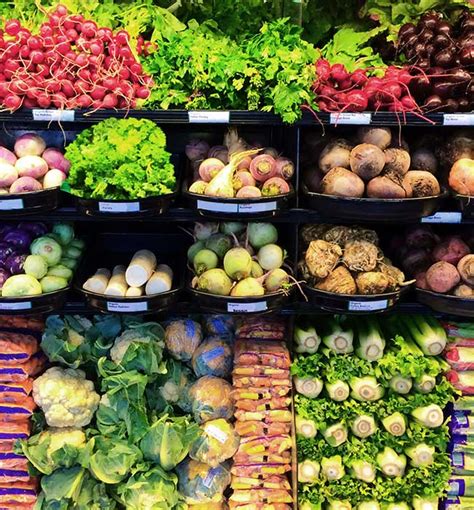
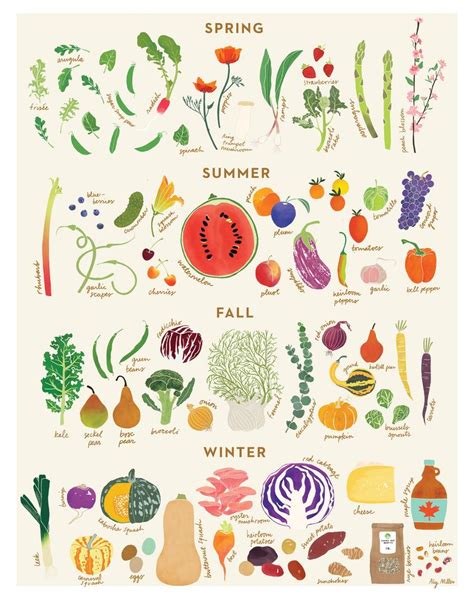
The first step in crafting truly exceptional seasonal dishes is a deep appreciation for the rhythm of nature. Each season brings its own distinct bounty, from the vibrant greens and berries of spring and summer to the hearty root vegetables and squashes of autumn and winter. By sourcing locally and seasonally, you’re not only guaranteed peak freshness and flavor but also a direct connection to the agricultural heartbeat of the Heartland. This connection is the bedrock for authentic storytelling through food.
Deconstructing Heartland Staples for Innovation
Heartland cuisine is often characterized by its comfort, generosity, and reliance on staples like corn, wheat, dairy, pork, and beef. To create “bold, new” stories, we must first understand these foundational elements and then explore how seasonal ingredients can interact with, complement, or even subvert them. Think beyond traditional corn on the cob; what about grilled sweet corn salsa with peaches in summer, or a creamy corn and squash gratin in autumn?
Innovation often begins with a subtle twist. Consider pairing the earthiness of autumn beets, roasted to perfection, with a tangy goat cheese from a local dairy, perhaps drizzled with a sorghum glaze. Or take spring asparagus – instead of just steaming, perhaps char it and serve with a smoked paprika aioli made with local eggs, adding an unexpected layer of smoky depth that still feels intrinsically Midwestern.
Techniques for Elevating Seasonal Flavors
Simply having great ingredients isn’t enough; it’s how you treat them. Modern culinary techniques, when applied thoughtfully, can unlock new dimensions of flavor from even the most humble seasonal produce:
- Fermentation & Pickling: Extend the life and add complex sour notes to vegetables like cabbage, cucumbers, or green beans. A quick pickle can brighten a heavy dish, while long-fermented ingredients introduce umami and probiotics.
- Roasting & Charring: Bring out the natural sweetness and develop deep, caramelized flavors in root vegetables, squashes, and even fruits.
- Smoking: Impart a rustic, evocative flavor that resonates with the Heartland’s agricultural roots, applicable to meats, cheeses, and even vegetables.
- Herbal Infusions & Blends: Utilize seasonal herbs from your garden or local farms to create unique oils, vinegars, or rubs that provide a fresh aromatic punch.

Crafting a Narrative: Beyond the Plate
A “flavor story” isn’t just about taste; it’s about the experience, the memory, and the connection. When you create a dish, think about the story it tells. Is it a story of a crisp autumn harvest, a humid summer evening, or a hardy winter celebration? For instance, a hearty winter stew might feature locally raised bison, root vegetables, and wild rice, telling a tale of resilience and sustenance. A summer salad, on the other hand, could combine sun-ripened tomatoes, fresh basil, and a light local cheese, speaking of abundance and warmth.

Consider the interplay of textures, temperatures, and colors. A bold flavor story might pair the crunch of toasted pecans (a common Heartland nut) with the creamy sweetness of a seasonal fruit purée. Or contrast the sharp tang of a pickled vegetable with the richness of a slow-cooked meat. These contrasts create dynamism and interest, pushing familiar ingredients into new, exciting territory.
Bringing it All Together: Example Explorations
Imagine a Spring narrative: Rhubarb, often known for pies, transformed into a savory gastrique for pan-seared duck breast, accompanied by roasted asparagus and wild ramps. The tartness of the rhubarb cuts through the duck’s richness, while the asparagus and ramps ground it in the fresh earth of spring.

For Autumn: A rich butternut squash and apple soup, seasoned with sage and smoked paprika, topped with crispy fried local prosciutto and toasted pumpkin seeds. This dish evokes the warmth and bounty of the fall harvest, with layers of sweet, savory, and smoky notes.
Conclusion: The Endless Culinary Horizon
The Heartland’s culinary landscape is ripe for reinterpretation. By mindfully choosing seasonal ingredients, understanding their inherent qualities, and applying creative techniques, chefs and home cooks can move beyond the expected. This approach not only results in more delicious and vibrant food but also fosters a deeper connection to the land and its producers. So, embrace the seasons, get creative, and start telling your own bold, new Heartland flavor stories – one plate at a time.