


How to make seasonal Heartland dishes truly ‘big flavor’ with fresh local ingredients?

Embracing the Heartland’s Bountiful Flavors
The Heartland, with its rich agricultural heritage, offers a treasure trove of ingredients that are often overlooked in their potential for ‘big flavor.’ While traditional Midwestern cooking is beloved for its comforting, wholesome nature, it doesn’t have to be bland or understated. By consciously integrating fresh, local, and seasonal ingredients, and employing a few strategic culinary approaches, you can elevate familiar dishes to new heights of deliciousness that truly sing with the essence of the land.
Moving beyond simple sustenance, ‘big flavor’ in Heartland cooking means highlighting the inherent deliciousness of peak-season produce, the robust quality of locally raised meats, and the vibrant freshness of dairy and grains. It’s about letting the ingredients speak for themselves, amplified by thoughtful preparation.
The Cornerstone: Seasonality and Locality
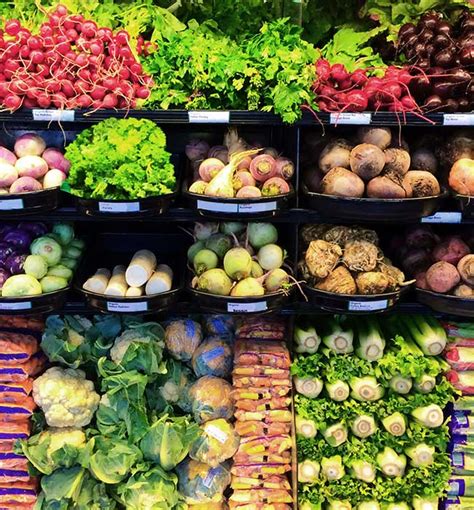
The secret to unlocking profound flavor starts with understanding the rhythm of the seasons and the bounty of your local community. Ingredients harvested at their peak ripeness offer unparalleled taste, texture, and nutritional value. A summer tomato picked fresh from the vine tastes profoundly different from one shipped cross-country in the dead of winter.
Sourcing locally means you’re getting ingredients that are often picked mere hours or days before they reach your kitchen. This proximity drastically reduces transit time, preserving volatile flavor compounds and ensuring maximum freshness. It also supports local farmers and contributes to a more sustainable food system. Seek out farmers’ markets, roadside stands, and community-supported agriculture (CSA) programs to connect directly with the source of your food.

Unlocking Flavor Boosters in Classic Dishes
Once you have your superior ingredients, the next step is to enhance their natural goodness. Heartland dishes, often built on simple foundations, are perfect canvases for layering flavors without overwhelming the star components.
- Herbs and Aromatics: Don’t just garnish; integrate fresh herbs like dill, parsley, sage, thyme, and chives generously throughout the cooking process. Sauté onions, garlic, and celery until deeply caramelized for a foundational layer of sweetness and umami.
- Acids for Brightness: A splash of apple cider vinegar, a squeeze of lemon juice, or a dollop of cultured buttermilk can cut through richness and awaken dormant flavors, adding a much-needed zing to hearty dishes like stews, roasts, or creamy casseroles.
- Umami Powerhouses: Incorporate local mushrooms, aged cheeses (like a sharp cheddar), slow-cooked meats, or even a touch of homemade broth or soy sauce (used sparingly) to add depth and savory complexity that rounds out the flavor profile.
- High-Quality Fats: Good quality butter, rendered bacon fat from local pork, or a flavorful olive oil can carry and distribute flavors beautifully, adding richness and mouthfeel.
Mastering Techniques for Maximum Impact
Beyond selecting ingredients and adding flavor boosters, the way you cook can dramatically impact the final taste.
Roasting and Caramelizing
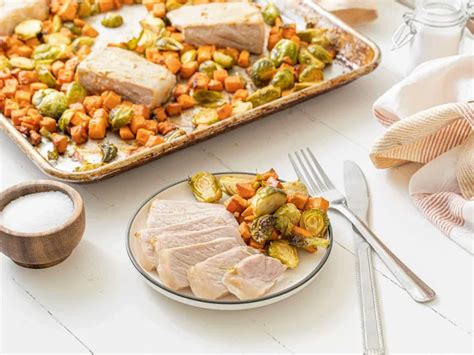
Many Heartland vegetables benefit immensely from roasting. High heat caramelizes their natural sugars, intensifying sweetness and adding a delightful depth. Think roasted root vegetables (carrots, parsnips, potatoes) with sage, or Brussels sprouts crisped to perfection.
Braising and Slow Cooking
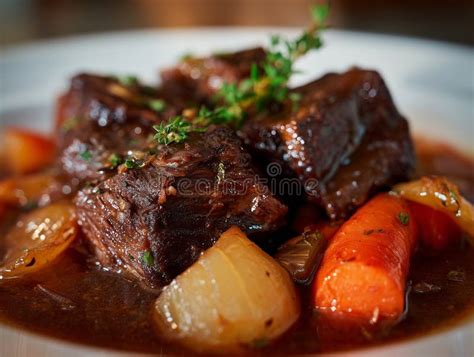
For tougher cuts of locally raised meats, slow cooking or braising is key. This technique breaks down connective tissues, making meat incredibly tender while allowing flavors from broth, aromatics, and vegetables to meld and deepen over hours, resulting in a rich, complex sauce.
Quick Pickling and Fermenting
Introduce bright, tangy notes with quick pickles made from seasonal vegetables like cucumbers, green beans, or radishes. Fermented foods like homemade sauerkraut or kimchi (even a small amount) can add a complex sourness and probiotic benefits to rich dishes.
Finishing Touches
A sprinkle of flaky sea salt just before serving, a fresh chiffonade of herbs, a drizzle of high-quality oil, or a dollop of crème fraîche can provide a final burst of flavor and texture that elevates the entire dish.
Seasonal Examples of ‘Big Flavor’ Heartland Dishes
- Spring: Elevate a classic asparagus soup with fresh dill and a swirl of lemon crème fraîche. Sauté morel mushrooms and wild ramps in butter with a touch of local white wine for a sublime side or risotto base.
- Summer: Transform sweet corn salad with grilled peaches, heirloom tomatoes, and a generous handful of fresh basil and a honey-lime vinaigrette. Create a vibrant summer squash gratin with layered local cheeses and garden herbs.
- Fall: Roast local root vegetables with apples, sage, and a drizzle of maple syrup until caramelized. Make a hearty pumpkin chili using local ground beef or sausage, enriching the broth with dark beer and a hint of smoked paprika.
- Winter: Braise a beef chuck roast with root vegetables and hearty greens from cold storage, adding a splash of red wine and robust beef broth, allowing flavors to deepen over hours. Serve with creamy mashed potatoes enriched with local butter and chives.

Conclusion
Making seasonal Heartland dishes truly ‘big flavor’ is an art that celebrates the region’s agricultural abundance. It’s about moving beyond convention, embracing the freshest local ingredients, and applying thoughtful techniques that enhance rather than mask their natural deliciousness. By doing so, you’re not just cooking a meal; you’re crafting an experience that tells the story of the land, the season, and the hands that brought it all together.