



How to infuse bold, hearty flavor into one-pot comfort food without overcooking?
One-pot meals are the ultimate culinary dream: minimal cleanup, maximum comfort. Yet, they often face a common pitfall – blandness or, worse, overcooked ingredients. The secret to achieving truly bold, hearty flavors while maintaining perfect texture lies in understanding how ingredients interact and when to introduce them. Forget watery stews and mushy vegetables; it’s time to elevate your one-pot game.
The Foundation: Building Depth from the Start
Flavor infusion begins long before all ingredients are in the pot. The very first steps are crucial for developing a rich, savory base. Start by sautéing aromatics like onions, garlic, carrots, and celery until softened and fragrant. This process, often called building a mirepoix or sofrito, creates a sweet, savory foundation upon which all other flavors will rest.
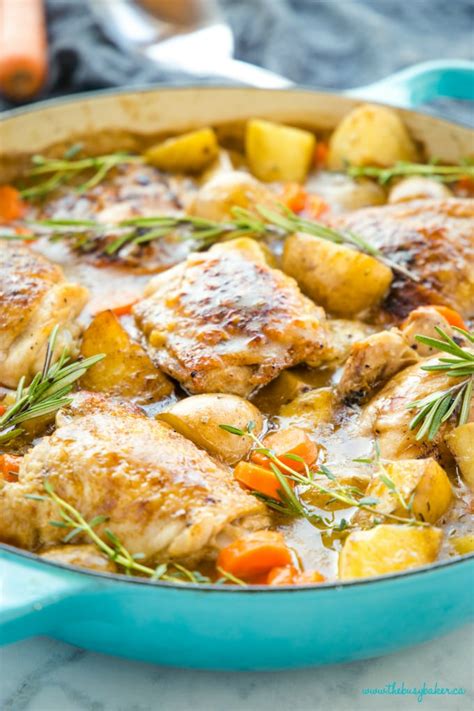
If your dish includes meat, browning it thoroughly is non-negotiable. Sear cuts like chicken thighs, beef chuck, or sausage until a deep, caramelized crust forms. This not only adds incredible flavor and texture to the meat itself but also creates a ‘fond’ – those delicious browned bits stuck to the bottom of the pot – which will be scraped up and incorporated into the sauce later, adding unparalleled depth.
Strategic Flavor Layers: Beyond the Base
Once your foundation is laid, it’s time to layer in more complex flavors. Bloom dry spices like cumin, paprika, or chili powder in the hot fat for 30-60 seconds after the aromatics are softened but before adding liquids. This unlocks their full aromatic potential. Incorporate umami boosters like tomato paste (cooking it down slightly enhances its sweetness), mushrooms, or a splash of soy sauce or Worcestershire for an extra savory kick.
When it’s time for liquids, don’t just pour them in. Use wine, beer, or a good quality broth to deglaze the pot, scraping up all those flavorful brown bits from the bottom. This process incorporates all the concentrated flavors into your sauce. Fresh herbs like rosemary, thyme, or bay leaves can be added early for deeper infusion, while more delicate herbs like parsley or cilantro should wait until the end.
Mastering Ingredient Timing for Perfect Texture
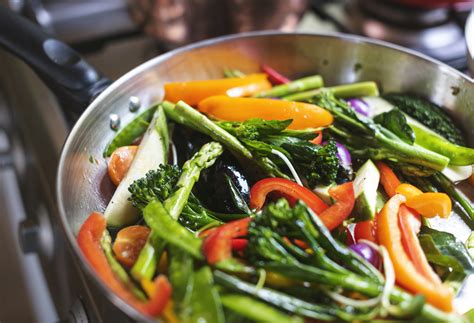
The key to preventing overcooked ingredients in a one-pot meal is understanding cooking times. Heartier, slower-cooking vegetables like potatoes, sweet potatoes, and root vegetables should go in earlier with your main protein and liquids. Ingredients that cook relatively quickly, such as bell peppers, green beans, or quicker-cooking grains like rice (if not added very early), can be added midway through the cooking process.
Delicate ingredients, like leafy greens (spinach, kale), quick-cooking pasta, seafood (shrimp, fish), or canned beans (if you don’t want them to disintegrate), should be added towards the very end. Often, they only need a few minutes to cook through or simply warm up in the residual heat. This staggered addition ensures every component reaches its optimal tenderness without becoming mushy or overdone.

Heat Control and Moisture Management
A common mistake in one-pot cooking is cooking at too high a heat. Once everything is assembled and simmering, reduce the heat to a gentle, steady simmer. A rapid boil can break down ingredients too quickly and evaporate liquids prematurely, leading to dry, overcooked results. A gentle simmer allows flavors to meld slowly and evenly.
Use a tight-fitting lid to trap moisture and heat, creating a steamy environment that cooks ingredients through without drying them out. However, if your sauce is too thin, you might remove the lid for the last 15-20 minutes of cooking to allow some liquid to evaporate and the sauce to thicken. Always taste and adjust seasoning throughout the cooking process, adding salt, pepper, or other spices as needed.
The Finishing Touch: Brightness and Balance
Even the heartiest one-pot meal benefits from a finishing touch that brings brightness and balance. A squeeze of fresh lemon juice or a splash of vinegar (red wine, apple cider) at the very end can cut through richness, awaken flavors, and make the whole dish sing. Don’t underestimate the power of a little acidity.
Fresh herbs, chopped and stirred in just before serving, add a vibrant burst of flavor and color. A swirl of cream, a sprinkle of grated cheese, or a dollop of yogurt can add a luscious creaminess and extra layer of comfort. These final additions are not just garnishes; they are crucial components that elevate the dish from merely hearty to truly unforgettable.
Conclusion: Your One-Pot Flavor Journey
Creating bold, hearty one-pot comfort food without overcooking is a delightful culinary challenge that’s entirely achievable with the right techniques. By building a strong flavor foundation, strategically layering ingredients, timing additions perfectly, and managing heat, you can transform simple ingredients into a deeply satisfying meal. Embrace the process, trust your instincts, and get ready to enjoy incredibly flavorful, perfectly textured one-pot wonders that will keep you coming back for more.