
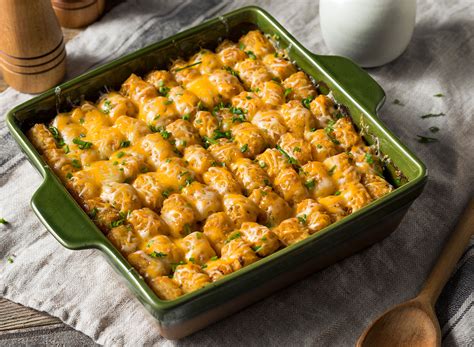
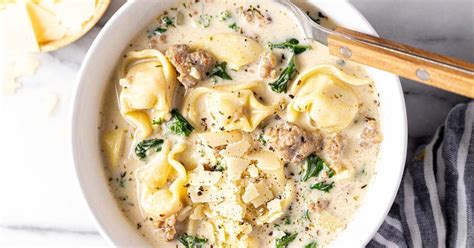



How to get truly *big flavor* from humble Midwest casserole ingredients?

Midwest casseroles hold a special place in our hearts: they’re comforting, budget-friendly, and often a nostalgic taste of home. Yet, they sometimes get a bad rap for being a bit… one-note. The good news is, you don’t need fancy, expensive ingredients to elevate these beloved dishes. With a few thoughtful techniques and smart substitutions, you can coax truly *big flavor* from even the humblest of components.
The Power of Aromatics and Umami
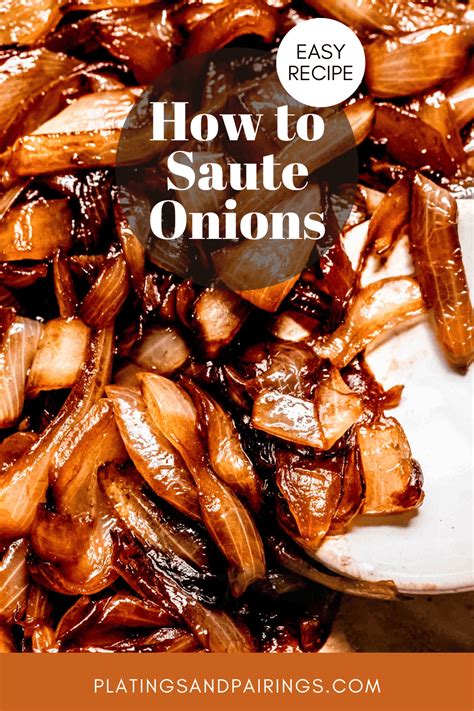
The foundation of any flavorful dish lies in its aromatics. Instead of relying solely on canned soup bases, start your casserole with a robust sauté of fresh onions, garlic, and celery. Cook them slowly until translucent and fragrant, allowing their natural sugars to caramelize slightly. This simple step builds a foundational layer of savory sweetness that permeates the entire dish.
Next, introduce umami boosters. A dollop of tomato paste browned in the pan, a splash of Worcestershire sauce, or a dash of soy sauce can deepen the savory profile without overtly changing the casserole’s character. Even a handful of finely chopped mushrooms, sautéed until deeply browned, will contribute a rich, earthy umami that makes the dish taste more complex and satisfying.
Elevated Ingredients: Beyond the Can
While canned cream soups are a hallmark of many classic casseroles, they can be enhanced or even partially replaced. Consider using a good quality broth (chicken, beef, or vegetable) as part of your liquid base, combined with a smaller amount of canned soup. For a richer, fresher creaminess, a béchamel sauce made from scratch with milk, butter, and flour can be surprisingly easy and transformative.
When it comes to proteins, choose quality. If using ground beef, opt for a leaner blend and brown it thoroughly, draining excess fat. For chicken, shredding a roasted chicken (store-bought is fine!) or sautéing chicken thighs adds more depth than boiled chicken breast. And don’t forget the vegetables: fresh or frozen, sautéing them briefly before adding them to the casserole helps to develop their flavor and prevent a watery final dish.
Strategic Seasoning and Acid
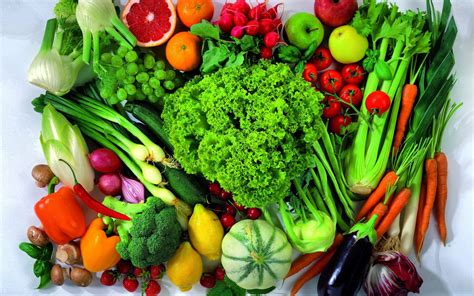
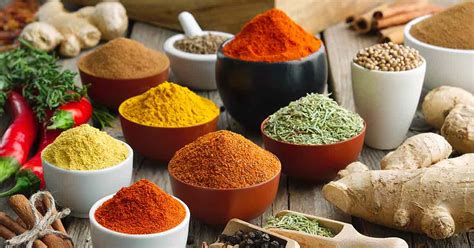
Don’t be shy with your seasonings, but apply them thoughtfully. Layering herbs and spices means adding them at different stages: dried herbs like thyme, oregano, and sage benefit from being sautéed with aromatics to release their oils, while fresh herbs like parsley or chives are best stirred in at the end or used as a garnish for brightness.
Perhaps the most overlooked secret to big flavor is acid. A squeeze of fresh lemon juice, a dash of apple cider vinegar, or even a spoonful of Dijon mustard can cut through richness, brighten flavors, and make the entire dish sing. Just a small amount can prevent a casserole from tasting heavy or flat, providing that essential counterpoint that professional chefs always employ.
Textural Play and Finishing Touches
A great casserole isn’t just about taste; it’s also about texture. The contrast between a creamy interior and a crispy topping is deeply satisfying. Move beyond traditional crushed crackers and try panko breadcrumbs toasted in butter, crispy fried onions, or even a blend of shredded cheese and crushed potato chips for an irresistible crunch. For extra depth, a sprinkling of toasted nuts or seeds can also add a delightful textural surprise.
Finally, don’t underestimate the power of a good cheese and a fresh garnish. While cheddar is classic, consider sharp white cheddar, smoked gouda, or even a touch of Parmesan for more complex notes. A final sprinkle of fresh parsley, chives, or even a dollop of sour cream or Greek yogurt just before serving can add a burst of freshness and color, making your humble Midwest casserole truly unforgettable.

By implementing these simple yet effective techniques—focusing on aromatics, upgrading core ingredients, layering seasonings and acid, and perfecting textural contrasts—you can transform your next Midwest casserole from merely comforting to truly bursting with *big flavor*. It’s a testament to the idea that great food doesn’t have to be complicated or expensive, just thoughtfully prepared.