





Healthy swaps for Heartland comfort food: How to keep big flavor intact?
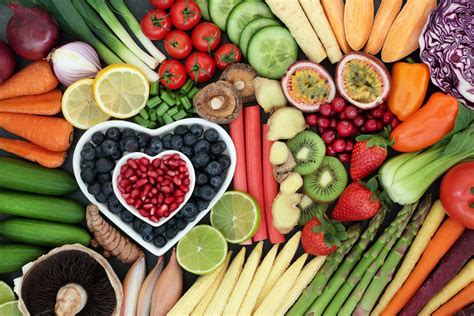
Embracing Healthier Heartland Staples
The heartland of America is synonymous with wholesome, satisfying comfort food – dishes that evoke warmth, family, and tradition. Think creamy casseroles, rich gravies, hearty stews, and golden-fried delights. While these meals are deeply cherished, their traditional preparation often involves significant amounts of saturated fat, sodium, and refined carbohydrates. The good news? You don’t have to abandon these beloved flavors to eat healthier. With a few smart swaps and culinary tricks, you can enjoy all the comforting taste with added nutritional benefits.

General Strategies for Lighter Comfort
Before diving into specific dishes, let’s explore some foundational principles for healthifying your favorite comfort foods. The goal isn’t deprivation but intelligent substitution and technique modification.
- Leaner Proteins: Opt for skinless poultry, lean cuts of beef or pork (like sirloin or pork loin), and plant-based proteins like lentils or beans in your stews and casseroles.
- Boost Veggies: Load up on non-starchy vegetables. They add fiber, vitamins, and bulk without excess calories. Puree them into sauces for hidden nutrition and creaminess.
- Smart Fats: Swap butter for olive oil or avocado oil where appropriate, or reduce quantities. Consider low-fat dairy or plant-based alternatives for creamy textures.
- Whole Grains: Trade white pasta, rice, and bread for their whole-grain counterparts. This boosts fiber and sustained energy.
- Flavor layering: Instead of relying solely on fat and salt, build flavor with herbs, spices, citrus zest, vinegars, broths, and roasted vegetables.
Dish-Specific Transformations
Macaroni and Cheese Reinvented
A true icon of comfort, mac and cheese can be surprisingly heavy. To lighten it up without losing its appeal, consider using whole-wheat elbow macaroni. For the cheese sauce, incorporate pureed cauliflower or butternut squash for added creaminess and nutrients, allowing you to use less high-fat cheese. Skim milk or unsweetened almond milk can replace whole milk, and a sprinkle of sharp cheddar goes a long way in delivering flavor without excessive amounts. A touch of Greek yogurt can also add tang and creaminess.
Crispy (Not Fried) Chicken
Fried chicken is a Southern and Midwestern staple. Achieve that satisfying crunch without deep-frying by opting for oven-baked or air-fried versions. Use skinless chicken pieces, coat them in a seasoned whole-wheat flour or breadcrumb mixture (you can even add crushed whole-grain crackers or cornflakes), and bake until golden and crispy. A light spritz of olive oil cooking spray can help achieve that desired texture.
Hearty Stews and Pot Roasts Made Healthier
These slow-cooked marvels are inherently healthy due to their lean protein and vegetable content, but they can be made even better. Choose leaner cuts of beef or pork and trim any visible fat. Load up on root vegetables like carrots, potatoes, parsnips, and turnips. Use low-sodium broth and enrich the flavor with herbs like thyme, rosemary, and bay leaves. A touch of red wine or balsamic vinegar can also add depth without extra fat.
Lighter Creamy Soups and Casseroles
Many beloved Heartland casseroles and creamy soups rely on cream-of-mushroom soup or heavy cream. Swap these for homemade béchamel sauce made with skim milk, or use pureed white beans or cashews for a rich, creamy texture. Greek yogurt or low-fat sour cream can finish soups with a luxurious swirl. For casseroles, use whole-grain pasta or brown rice, load up on vegetables, and top with whole-grain breadcrumbs or crushed oats instead of buttery crackers.

Flavor First: Keeping the Essence
The biggest concern when making healthy swaps is losing the “oomph” – that robust flavor profile. This is where strategic seasoning comes into play. Don’t shy away from generous amounts of fresh and dried herbs (parsley, chives, dill, sage, thyme, oregano). Garlic and onion are your best friends, providing deep savory notes. A squeeze of lemon juice or a dash of apple cider vinegar can brighten dishes and enhance other flavors. Roasting vegetables before adding them to stews or pureeing them into sauces intensifies their natural sweetness and umami, making up for reduced fats.

Conclusion: Savoring Smarter
Embracing healthier versions of Heartland comfort food doesn’t mean sacrificing the joy and satisfaction they bring. By making conscious choices about ingredients and cooking methods, you can create dishes that are just as flavorful, just as comforting, and far more nourishing. Experiment with these swaps, find what works for your family, and continue to savor the delicious traditions of the heartland, guilt-free.