


Dry muffins? Unlock moist, flavorful quick breads every time.

Tired of Dry Quick Breads? Let’s Solve It!
There’s nothing quite as disappointing as biting into a beautiful muffin or slice of quick bread, only to find it dry, crumbly, and lacking in flavor. It’s a common baking challenge, but thankfully, one with straightforward solutions. Achieving that coveted tender crumb and rich moisture isn’t just a matter of luck; it’s a science, an art, and a few simple techniques that can transform your baking from so-so to absolutely sublime.
This guide will equip you with the knowledge to consistently bake quick breads and muffins that are moist, tender, and bursting with flavor. Forget dry disasters – it’s time to unlock the secrets to perfect quick breads, every single time.
The Science Behind Dryness: Understanding the Culprits
Before we dive into solutions, let’s understand why quick breads often turn dry. The primary culprits are usually overmixing, an incorrect flour-to-liquid ratio, or overbaking. Overmixing develops the gluten in the flour, leading to a tough, dry, and chewy texture. Quick breads, by definition, rely on chemical leaveners like baking powder or soda, not gluten development, for their rise. Similarly, too much flour or not enough fat and liquid can throw off the delicate balance, leaving your final product parched.
Paying attention to these fundamental aspects is the first step toward achieving a consistently moist result. Understanding the ‘why’ makes it easier to implement the ‘how’.
Ingredient Selection: Your Foundation for Moisture
Choose Your Flour Wisely
For quick breads, a lower-protein all-purpose flour is generally best. High-protein flours, like bread flour, develop more gluten, contributing to toughness. If your all-purpose flour has a high protein content, consider substituting a small portion (e.g., 10-20%) with cake flour, which has a very low protein content, to tenderize the crumb.
Embrace Fats and Liquids
Fat, whether butter, oil, or even mashed banana or applesauce, adds richness and moisture. Oil tends to make quick breads moister for longer than butter, as it’s 100% fat and remains liquid at room temperature. Liquids like buttermilk, sour cream, or yogurt also contribute significant moisture and a pleasant tang, while plain milk works well too. The acidity in buttermilk or sour cream also reacts beautifully with baking soda, aiding in leavening.
The Sweetness Factor
Sugar does more than just sweeten; it also attracts and retains moisture, contributing to a softer, more tender crumb. Brown sugar, with its molasses content, offers even more moisture retention than granulated sugar. Don’t skimp on sugar unless the recipe specifically allows for it, as it plays a critical structural role.
The Golden Rule of Mixing: Less is More
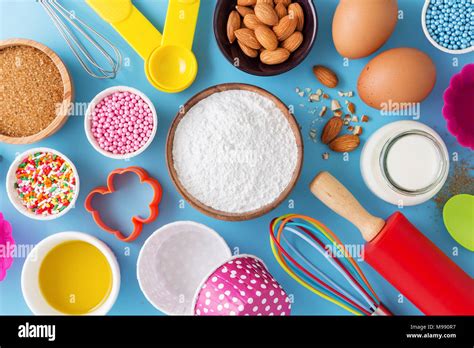
This is arguably the most crucial tip for moist quick breads: do not overmix! The ‘muffin method’ is king here. It involves combining all your dry ingredients in one bowl and all your wet ingredients in another. Then, gently fold the wet into the dry ingredients until just combined. A few lumps are perfectly fine, even desirable. Overmixing activates gluten, leading to a tough, chewy texture that feels dry even if it contains enough moisture.
Stop mixing as soon as you no longer see streaks of dry flour. Seriously, put down the spoon and resist the urge for ‘just one more stir.’ That extra stir could be the difference between tender and tough.

Precision in Baking: Temperature, Time, and Doneness
Calibrate Your Oven
An inaccurate oven temperature is a common culprit for baking woes. If your oven runs hot, your quick breads will bake and dry out faster than expected. If it runs cool, they’ll bake longer, which can also lead to dryness. Invest in an oven thermometer to ensure your oven is truly at the temperature you set.
Don’t Overbake!
Even perfectly mixed batter will turn dry if left in the oven too long. Quick breads are done when a wooden skewer or toothpick inserted into the center comes out clean or with a few moist crumbs attached. For muffins, the tops should be golden brown and spring back when lightly touched. Start checking for doneness a few minutes before the recipe’s minimum baking time.

Post-Baking Care and Storage
Once your quick breads are out of the oven, allow them to cool in the pan for about 5-10 minutes before transferring them to a wire rack. This allows them to set up without becoming soggy or breaking. Once fully cooled, proper storage is key to maintaining moisture.
Store quick breads and muffins in an airtight container at room temperature. For longer storage, they can be frozen for up to three months. To revive frozen quick breads, simply thaw at room temperature or gently warm in the microwave or oven.
Unlock Your Baking Potential
Baking moist, flavorful quick breads doesn’t have to be a mystery. By understanding the role of ingredients, mastering a gentle mixing technique, monitoring your oven, and storing correctly, you can confidently turn out tender, delicious results every time. Embrace these tips and transform your baking from a gamble into a consistent triumph. Happy baking!