


Combat soggy pie crusts! What’s the best trick for a flaky bottom on Midwest fruit pies?

Conquering the Crust: Why Soggy Bottoms Happen
There’s nothing quite as satisfying as a homemade Midwest fruit pie – the sweet, tart filling bubbling under a golden, lattice top. However, the dream often collides with the reality of a dreaded soggy bottom. This culinary disappointment occurs when the moisture from the fruit filling permeates the bottom crust during baking, turning it from a crisp, flaky foundation into a limp, doughy mess. Understanding this battleground is the first step to achieving pie perfection.
Trick #1: The Power of Blind Baking (Pre-baking)
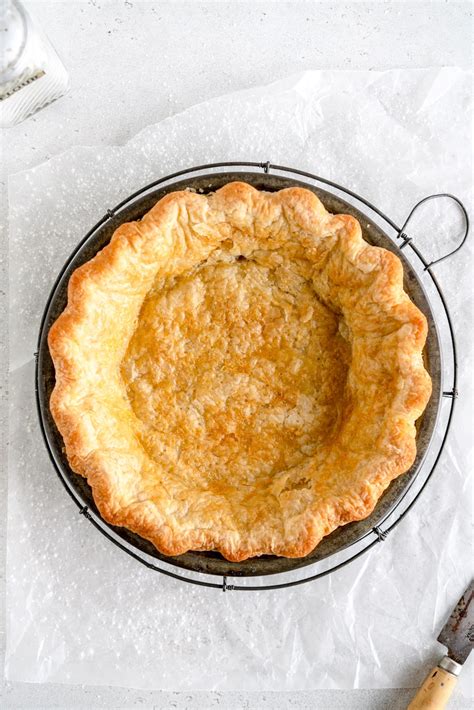
One of the most effective strategies against a soggy bottom is blind baking, or pre-baking, your bottom crust. This technique involves baking the empty pie shell partially or fully before adding the filling. The heat sets the crust, creating a barrier that is less susceptible to moisture absorption. For fruit pies, a partial bake is usually sufficient.
How to Blind Bake for Success:
- Chill Thoroughly: After placing your pie dough into the pan, chill it in the refrigerator or freezer for at least 30 minutes. This helps prevent shrinkage and keeps the butter cold.
- Line and Weigh: Line the chilled crust with parchment paper or foil, then fill it with pie weights, dried beans, or rice. These weights prevent the crust from puffing up and ensure even baking.
- Bake Hot: Bake in a hot oven (around 400-425°F or 200-220°C) for 15-20 minutes, or until the edges are lightly golden. Remove the weights and parchment, then prick the bottom of the crust with a fork to release steam. Continue baking for another 5-10 minutes until the bottom is pale golden and dry.
Trick #2: Crafting the Perfect Pie Dough
The quality of your dough is paramount. A good pie dough provides a sturdy, flaky structure that can better withstand moisture. Here are key considerations:
- Cold Fat is King: Use very cold butter or a butter-shortening blend. The cold fat creates steam pockets during baking, resulting in a flaky texture. Don’t overwork the dough; visible pea-sized pieces of fat are desirable.
- Minimal Handling: Overworking the dough develops gluten, leading to a tough crust. Handle it as little as possible.
- A Touch of Vinegar: Some recipes include a tablespoon of apple cider vinegar. It helps tenderize the dough without affecting flavor, contributing to a more tender, flaky result.
Trick #3: Strategic Thickeners for Fruit Fillings
Reducing the free-flowing liquid in your fruit filling is crucial. Different thickeners offer various benefits:
- Cornstarch: A common choice, providing a clear, glossy finish. Use sparingly, as too much can result in a gummy texture.
- Tapioca Flour (Quick-Cooking Tapioca): Excellent for fruit pies, as it thickens well and remains clear. It’s especially good for juicy fruits like berries. Grind quick-cooking tapioca in a spice grinder for a finer texture if needed.
- All-Purpose Flour: Can be used but tends to make fillings cloudy and slightly pasty.
- Instant ClearJel: A professional-grade thickener that’s very stable and produces a beautiful, clear filling without gumminess. Often preferred by experienced bakers for fruit pies.
Always mix your chosen thickener with the fruit and sugar before pouring into the pie shell, ensuring even distribution.
Trick #4: The Right Baking Temperature and Cooling
How you bake and cool your pie also plays a significant role:
- High Initial Heat: Start your pie in a very hot oven (425-450°F or 220-230°C) for the first 15-20 minutes. This blast of heat helps to “set” the bottom crust quickly before the filling has a chance to soak in. Then, reduce the temperature to a moderate heat (375-400°F or 190-200°C) to finish baking.
- Bake on a Hot Baking Sheet: Place your pie on a preheated baking sheet or pizza stone. This conducts heat directly to the bottom of the pie, promoting a crispier crust.
- Proper Cooling: Allow your pie to cool completely on a wire rack before slicing. This allows the filling to set fully and any remaining moisture to evaporate, preventing it from seeping back into the crust. Patience is key!

Embrace the Flaky Future
Achieving a perfectly flaky bottom on your Midwest fruit pies might seem like a daunting task, but by implementing these tried-and-true tricks, you’ll be well on your way to pie perfection. From the foundational step of blind baking to the subtle art of choosing the right thickener and mastering your oven’s heat, each element contributes to a crust that stands up to its juicy filling. So, preheat your oven, chill your dough, and prepare to delight in a pie that is truly magnificent from top to bottom.