
Best sear for flavorful, tender Midwest pot roast?

Unlocking Deep Flavor: The Art of Searing for Pot Roast
The humble pot roast, a staple of Midwest comfort food, relies on slow cooking to achieve its melt-in-your-mouth tenderness. However, true aficionados know that the secret to a profoundly flavorful pot roast lies in a crucial first step: the sear. Skipping this golden-brown step is akin to missing the first chord in a symphony – the foundation for depth and complexity is simply not there. This guide will delve into the best searing practices to elevate your pot roast from good to unforgettable.

Why Searing is Non-Negotiable for Midwest Pot Roast
Many believe searing “locks in juices,” a common misconception. While it doesn’t prevent moisture loss, searing achieves something far more magical: the Maillard reaction. This chemical process occurs when amino acids and reducing sugars react under heat, creating hundreds of new flavor compounds and a rich, appealing brown crust. For cuts like chuck roast, typically used for pot roast, this crust translates into a savory foundation that permeates the entire dish during its long, slow braise.
Without a proper sear, your pot roast, while tender, will lack that rich, caramelized depth and umami punch that defines a truly exceptional Midwest classic. It’s the difference between a simple boiled piece of meat and a deeply satisfying culinary experience.
The Perfect Searing Setup: Pan, Heat, and Oil
Choosing Your Pan
For searing, a heavy-bottomed pan is essential to maintain consistent high heat. Cast iron skillets are the gold standard for their excellent heat retention and even distribution. A heavy stainless-steel pan can also work effectively. Avoid thin, non-stick pans as they often don’t get hot enough or retain heat well enough for a proper sear.

Achieving the Right Heat
Heat is your best friend here. The pan should be smoking hot before you introduce the meat. Place your chosen pan over medium-high to high heat and allow it to preheat for at least 5-7 minutes. You can test the heat by adding a drop of water; it should evaporate immediately.
Selecting the Best Oil
Choose an oil with a high smoke point, as you’ll be cooking at high temperatures. Grape seed oil, canola oil, avocado oil, or refined sunflower oil are excellent choices. A couple of tablespoons should be enough to coat the bottom of your pan without drowning the meat.
Searing Technique: Steps to a Golden Crust
- Pat the Meat Dry: This is perhaps the most critical step. Moisture on the surface of the meat will cause it to steam rather than sear, preventing the Maillard reaction. Use paper towels to thoroughly pat all sides of your chuck roast dry.
- Season Generously: Season the roast liberally with salt and black pepper just before searing. The salt will help draw out some surface moisture initially, aiding in crust formation.
- Add Oil to Hot Pan: Once your pan is smoking hot, add the oil and let it shimmer for about 30 seconds.
- Sear in Batches (If Necessary): If you have a large roast, cut it into smaller, manageable pieces to avoid overcrowding the pan. Overcrowding drops the pan’s temperature and leads to steaming.
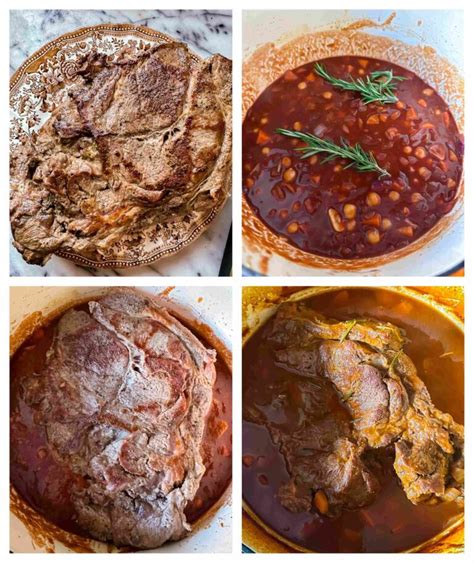
- Leave it Alone: Place the meat in the hot oil and resist the urge to move it. Let it sear undisturbed for 3-5 minutes per side, or until a deep, golden-brown crust forms. You’ll know it’s ready when it easily releases from the pan.
- Sear All Sides: Use tongs to turn the roast, searing all sides, including the ends.

The Flavor Payoff: More Than Just Browning
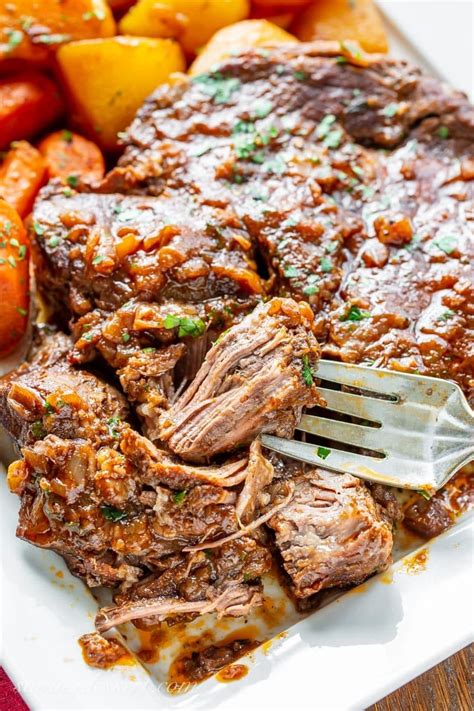
The intense flavor developed during searing is what separates an ordinary pot roast from an extraordinary one. Those dark, crusty bits that stick to the bottom of the pan after searing are culinary gold. This is called “fond,” and it’s the basis for deglazing and building the rich sauce for your pot roast. By adding liquid (like beef broth or wine) to the hot pan and scraping up these bits, you incorporate all that concentrated flavor directly into your braising liquid.
Combined with the slow braising process, this initial sear creates a symphony of textures and flavors. The exterior provides a robust, savory counterpoint to the fork-tender interior, making every bite a delight.
Mastering the Sear for Ultimate Midwest Pot Roast
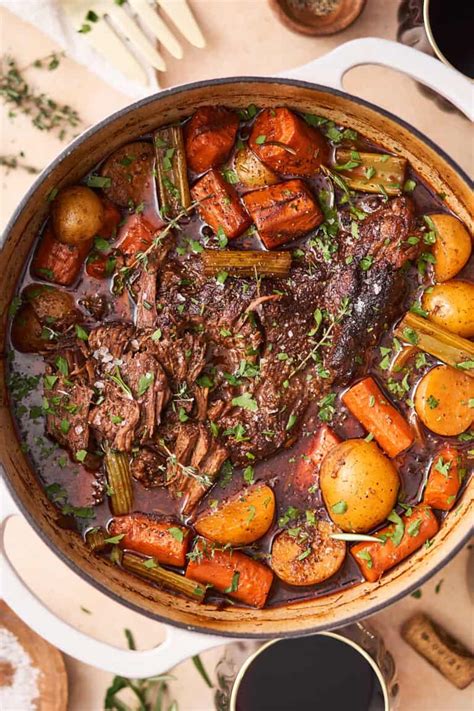
A well-seared chuck roast is the foundational step to a truly spectacular Midwest pot roast. It’s not just about aesthetics; it’s about building layers of complex flavor that will make your dish deeply satisfying and memorable. By understanding the science behind the Maillard reaction, choosing the right tools, and employing proper technique, you can unlock the full potential of this beloved comfort food.
So, the next time you embark on making a pot roast, remember: don’t just cook it, sear it! Your taste buds (and your family) will thank you for the unparalleled richness and depth of flavor you bring to the table.