





What’s the secret to the richest, most tender Heartland pot roast?

There are few dishes that evoke the warmth and comfort of home quite like a classic pot roast. But not all pot roasts are created equal. The legendary Heartland pot roast, renowned for its incredibly rich flavor and fall-apart tenderness, holds a few cherished secrets. If you’ve ever wondered how to achieve that melt-in-your-mouth perfection, read on, because we’re about to unlock the culinary magic.
The Foundation: Choosing the Right Cut of Beef
The journey to an extraordinary pot roast begins with the right cut of meat. For true Heartland excellence, the undisputed champion is a boneless beef chuck roast. This cut, typically from the shoulder, is rich in connective tissue and marbling. While these might seem like drawbacks for other preparations, for pot roast, they are assets. During the long, slow cooking process, the collagen breaks down into gelatin, infusing the meat with moisture and creating that signature succulent texture. Look for a roast with good marbling throughout.

The Maillard Magic: Don’t Skip the Sear
Before any liquid touches the meat, a crucial step often overlooked is searing. Pat your chuck roast thoroughly dry, season generously with salt and pepper, and then brown it deeply on all sides in a hot, heavy-bottomed pot (like a Dutch oven) with a little oil. This browning, known as the Maillard reaction, creates hundreds of complex flavor compounds that form the bedrock of your pot roast’s savory depth. Resist the urge to rush this step; a deep, golden-brown crust is non-negotiable for rich flavor.
Building the Aromatic Base and Braising Liquid
Once the beef is seared and set aside, it’s time to build the aromatic foundation. Sauté chopped onions, carrots, and celery (the classic mirepoix) in the same pot, scraping up any delicious browned bits from the bottom. Add minced garlic and cook until fragrant. This layer of sweetness and savory depth is vital. Next comes the braising liquid. A combination of beef broth, a splash of dry red wine (like Cabernet Sauvignon or Merlot for deeper flavor), and a touch of tomato paste creates a robust, flavorful environment. Don’t forget herbs like fresh thyme sprigs, bay leaves, and maybe a sprig of rosemary for that quintessential comforting aroma.

The Art of Low and Slow: Time is Your Ally
Here lies the true secret to tenderness: low and slow cooking. Once the liquid and aromatics are in place, nestle the seared beef back into the pot, ensuring it’s partially submerged. Bring the liquid to a gentle simmer on the stovetop, then cover tightly and transfer it to a preheated oven set to a low temperature, typically between 300-325°F (150-160°C). Alternatively, a slow cooker set to low will also work wonders. The magic happens over several hours—typically 3-4 hours in the oven or 6-8 hours in a slow cooker—as the gentle, moist heat gradually breaks down the tough connective tissues, rendering the meat incredibly tender and easy to shred with a fork.

The Finishing Touches: Rest, Reduce, and Serve
Once the pot roast is fork-tender, carefully remove the meat from the pot and let it rest on a cutting board, tented loosely with foil, for at least 15-20 minutes. This resting period allows the juices to redistribute, ensuring maximum moisture and flavor. While the meat rests, you can perfect your gravy. Skim off any excess fat from the braising liquid. For an even richer, thicker gravy, you can reduce the liquid on the stovetop or thicken it with a cornstarch slurry. Taste and adjust seasonings as needed.
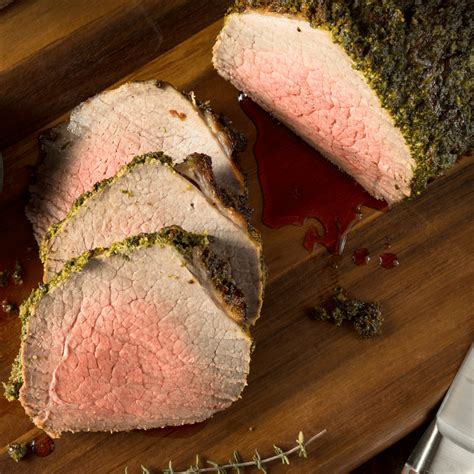
The Heartland Difference: A Recipe for Love
The secret to the richest, most tender Heartland pot roast isn’t just one ingredient or technique; it’s a combination of thoughtful choices and patient execution. It’s about respecting the cut of meat, building layers of flavor, and allowing time to work its magic. When you pull apart that impossibly tender beef, coated in a luscious, savory gravy, you’ll understand why this dish remains a timeless symbol of comfort and culinary love. Serve it with creamy mashed potatoes, roasted vegetables, and crusty bread to soak up every last drop of that glorious sauce. Your taste buds—and your soul—will thank you.