


What’s the secret to intensely flavorful Midwest casseroles, not just creamy?

Beyond the Beigemist: Unlocking Deep Flavor in Midwest Casseroles
When one thinks of a classic Midwest casserole, images of bubbling, golden-brown tops and rich, creamy interiors often come to mind. While the comfort of a velvety texture is undeniable, a common pitfall is the casserole that’s merely creamy, lacking depth and complexity. The real magic, however, lies in transcending mere creaminess to achieve intensely flavorful dishes that truly sing. So, what’s the secret to unlocking this flavor explosion?
The Foundation: Building Layers of Taste
The journey to a flavorful casserole begins long before all the ingredients are combined. It’s about building flavor from the ground up, treating each component as an opportunity to contribute to the final symphony of taste.
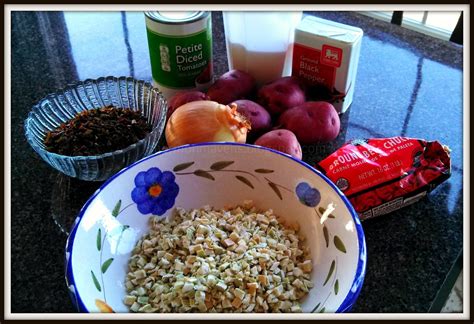
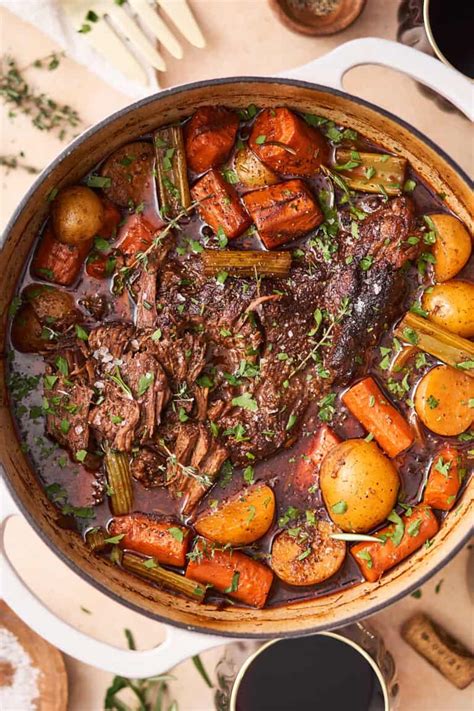
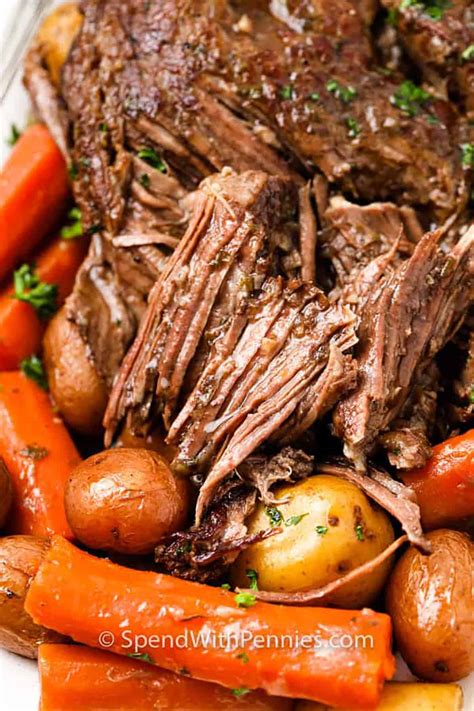
1. Brown Before You Bake: This is perhaps the most crucial step often overlooked. Browning meat (ground beef, chicken, sausage) in a skillet develops rich, savory maillard reactions that cannot be replicated in the oven. Similarly, sautéing aromatic vegetables like onions, celery, and carrots until they’re caramelized concentrates their sugars and deepens their taste significantly. Don’t just dump raw ingredients into the dish!
2. Boost Your Broth: Instead of relying solely on milk or condensed soups for moisture and body, incorporate high-quality, flavorful broths or stocks. A good chicken or beef stock, especially homemade, provides a savory backbone that elevates the entire dish. Reduce the broth slightly before adding to concentrate its essence even further.
The Spice Rack and Umami Power-Ups
Once your foundational elements are singing, it’s time to introduce the supporting choir – herbs, spices, and natural umami boosters.
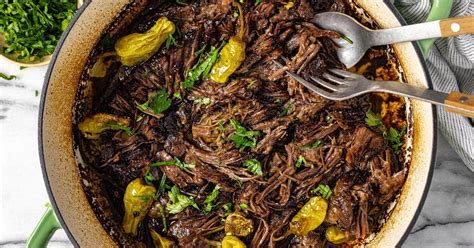
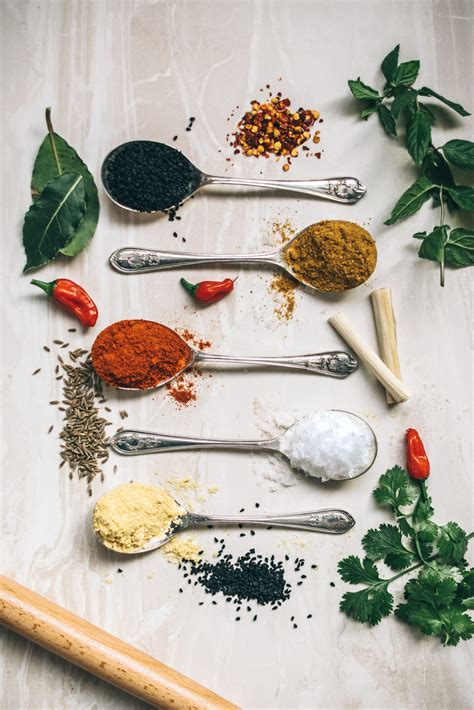
3. Herbaceous Heights: Fresh herbs like parsley, thyme, sage, and rosemary bring brightness and aromatic complexity. Don’t be shy; add them in stages, some during cooking and a final sprinkle before serving for vibrant freshness. Dried herbs are excellent too, but remember to bloom them in a little fat to release their essential oils.
4. Umami Bombs: These are your secret weapons against blandness. Ingredients like Worcestershire sauce, soy sauce (even just a dash!), tomato paste, anchovy paste (you won’t taste fish, just depth!), mushrooms (sautéed until deeply browned), and aged cheeses (Parmesan, sharp cheddar) provide that elusive savory, fifth taste that makes food utterly satisfying. Even a teaspoon of nutritional yeast can add a cheesy, umami punch without extra fat.
Texture and Finishing Touches
A truly great casserole offers more than just flavor; it provides an engaging textural experience.
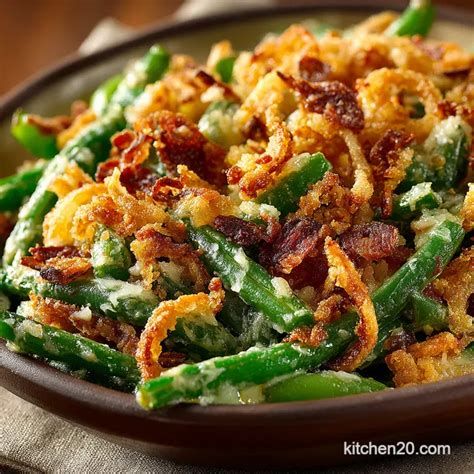
5. Crunch Factor: Don’t underestimate the power of a contrasting texture. Crispy fried onions, toasted breadcrumbs, crushed crackers, or even a sprinkle of nuts (like pecans for a green bean casserole) add a much-needed crunch that prevents the dish from becoming monotonous. Tossing breadcrumbs with melted butter and herbs before sprinkling ensures maximum flavor and crispness.
6. Seasoning at Every Stage: This is fundamental. Season your meat when browning, your vegetables when sautéing, and your sauce before combining. Tasting as you go allows for adjustments, ensuring that the final product is perfectly balanced. Don’t rely on one final salt and pepper sprinkle to carry the entire dish.
By consciously incorporating these strategies – browning ingredients, using quality broths, leveraging herbs and umami, ensuring textural contrast, and seasoning thoughtfully – you can transform any Midwest casserole from merely creamy comfort food into an intensely flavorful, unforgettable culinary masterpiece. It’s about respect for each ingredient and a desire to elevate the familiar to the extraordinary.