

What’s the secret to deep, authentic vanilla flavor in homemade desserts?

Beyond Basic: Elevating Your Vanilla Experience
Vanilla is often seen as a background player, a humble supporting actor in the grand symphony of dessert flavors. However, when treated with the respect it deserves, vanilla can transform from a subtle whisper to a rich, resonant bass note, imbuing your homemade sweets with an unparalleled depth and sophistication. The secret isn’t just about adding more; it’s about choosing the right vanilla, understanding its nuances, and deploying it strategically.
The Foundation: Pure Vanilla vs. Imitation
This is perhaps the most fundamental secret. Many home bakers, perhaps out of habit or cost-saving, reach for imitation vanilla extract. While it offers a vanilla-like aroma, it pales in comparison to the complex, multi-layered notes of pure vanilla extract. Imitation vanilla is typically made from lignin, a byproduct of the paper industry, and contains only a fraction of the over 200 flavor compounds found in a real vanilla bean.
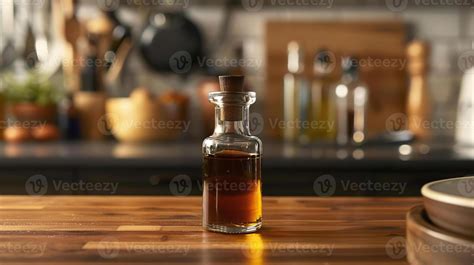
Pure vanilla extract, made by steeping vanilla beans in alcohol and water, captures the true essence of the bean. It offers notes of caramel, floral, fruity, and smoky undertones that synthetic versions simply cannot replicate. Investing in a high-quality pure vanilla extract is the first, most crucial step to achieving authentic flavor.
Unlocking Depth with Vanilla Beans
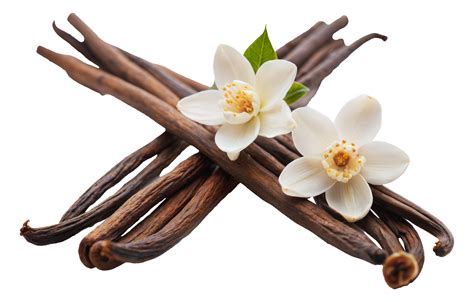
For the ultimate vanilla experience, nothing beats the actual vanilla bean. These fragrant pods contain tiny, oil-rich seeds packed with flavor. While more expensive, a little goes a long way, especially in recipes where vanilla is meant to shine, such as custards, ice creams, panna cotta, or crème brûlée.
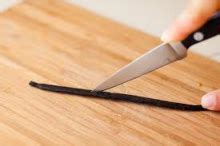
To use a vanilla bean, simply slice it lengthwise with a sharp knife and scrape out the tiny, dark seeds (often called ‘vanilla caviar’). Both the seeds and the scraped pod can be used. The seeds disperse flavor directly, while the pod can be steeped in liquids (milk, cream) to infuse them with its aromatic compounds, then removed before serving. Don’t discard the used pod – rinse, dry, and store it in your sugar jar to make vanilla sugar!
Exploring Other Vanilla Forms: Paste and Powder
Beyond extract and whole beans, two other forms offer unique advantages:
- Vanilla Bean Paste: This is a wonderful middle-ground. It combines the convenience of an extract with the intense flavor and visible specks of vanilla beans. Made from concentrated vanilla extract and vanilla bean seeds, it’s perfect for when you want that gourmet look and robust flavor without the fuss of scraping beans.
- Vanilla Powder: Less common, vanilla powder is made from dried and ground vanilla beans. It contains no alcohol, making it ideal for dry mixes or recipes where you want to avoid adding liquid, and it’s particularly heat-stable.
Strategic Application: When and How to Add Vanilla
The timing of vanilla addition can significantly impact its final flavor profile. Vanilla is delicate and can lose some of its aromatic compounds when exposed to prolonged high heat. For recipes that bake or cook for a long time (like cakes or cookies), adding vanilla towards the end of the mixing process can help preserve its brightness.
For custards or creams that are infused, adding vanilla beans or extract to the liquid as it heats allows the flavors to meld beautifully. Some bakers also ‘bloom’ vanilla extract by warming it slightly with a small amount of the recipe’s liquid before adding it, which can enhance its aroma.
The DIY Approach: Homemade Vanilla Extract
For a truly personal and often more affordable deep vanilla flavor, consider making your own extract. It’s surprisingly simple: steep good quality vanilla beans (Grade B ‘extractor’ beans are perfect for this) in high-proof alcohol like vodka, bourbon, or rum for several months. The longer it steeps, the deeper and more complex the flavor becomes. This allows you to control the type of beans and alcohol, tailoring the flavor to your preference.

Storage and Longevity
Proper storage ensures your vanilla remains potent. Vanilla extract should be stored in a cool, dark place, away from direct sunlight and heat, to preserve its delicate compounds. Vanilla beans are best kept in an airtight container in a cool, dark place, not refrigerated, as this can dry them out. They can last for several years when stored correctly, continuing to develop their complex aroma.

Embrace the Depth
Achieving deep, authentic vanilla flavor in your homemade desserts isn’t a single secret, but a culmination of conscious choices. It’s about prioritizing quality, understanding the unique attributes of each vanilla form, and applying them with intention. By embracing these principles, you’ll transform your desserts from merely sweet to truly sublime, showcasing vanilla not just as an ingredient, but as a star in its own right.