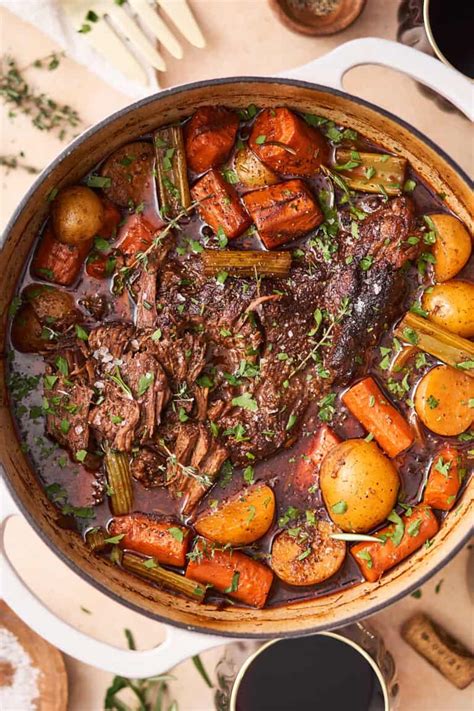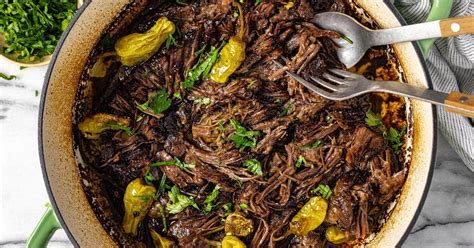



What’s the secret to big, authentic flavor in a classic Midwest pot roast?

The Allure of a Midwest Classic
There are few dishes that evoke the same sense of comfort and tradition as a classic Midwest pot roast. It’s a staple for Sunday dinners, holiday gatherings, and any occasion that calls for hearty, stick-to-your-ribs fare. But what truly elevates a good pot roast to a great one? It’s not just a matter of throwing ingredients into a pot; it’s a careful dance of technique, time, and specific ingredients that unlock that undeniable, authentic flavor.
Choosing Your Foundation: The Right Cut
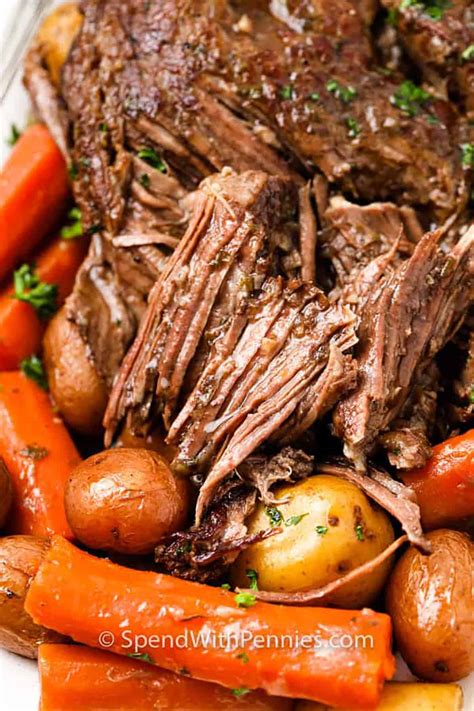
The journey to an exceptional pot roast begins with the meat itself. For true Midwest flavor, a chuck roast is paramount. Its marbling and connective tissue break down beautifully during long, slow cooking, yielding incredibly tender, shreddable meat. Other cuts might suffice, but none deliver the same rich, beefy depth and succulent texture as a good chuck roast.
The Maillard Reaction: Browning for Depth
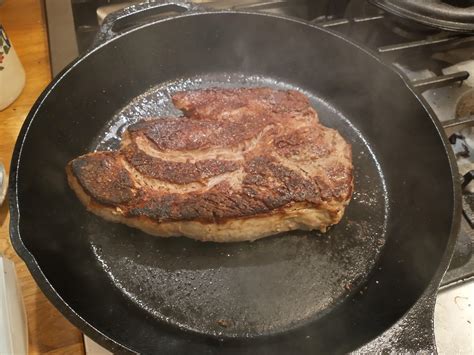
Perhaps the most critical step, and one often rushed, is thoroughly browning the meat. This isn’t just about color; it’s about flavor development. Searing the chuck roast on all sides in a hot pan creates a deep, caramelized crust through the Maillard reaction, locking in juices and building complex, savory notes that form the backbone of your pot roast’s flavor. Don’t underestimate this step – it’s where much of the ‘big’ flavor originates.
Aromatics and Deglazing: Building the Flavor Base
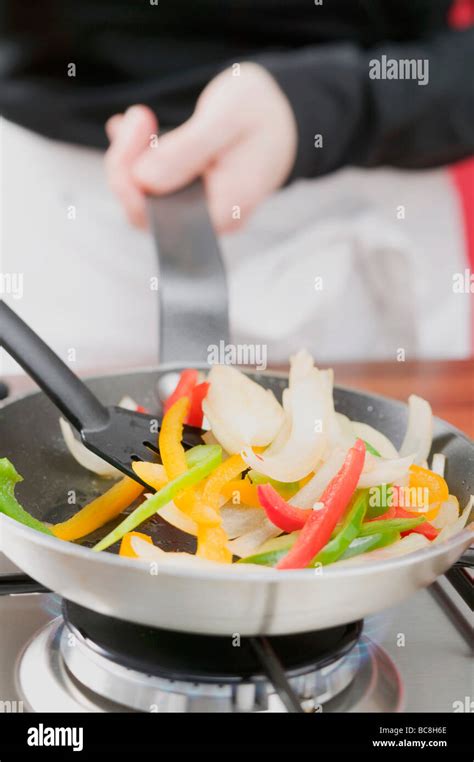
Once the meat is browned and removed, the next secret lies in the aromatics. A classic mirepoix of chopped onions, carrots, and celery is sautéed in the rendered fat until softened and fragrant. These vegetables not only add subtle sweetness and earthiness but also contribute to the overall savory profile. Crucially, after sautéing, a splash of liquid – often red wine or beef broth – is used to deglaze the pan, scraping up all those delicious browned bits from the bottom. These fond bits are pure concentrated flavor and essential to the roast’s richness.
The Braising Liquid: More Than Just Moisture
The liquid in which your pot roast slowly simmers is another key player. While water will technically cook the meat, it won’t impart the same depth. Rich beef broth, often bolstered with a splash of red wine or even a hint of tomato paste, provides a robust, umami-rich environment. Herbs like bay leaves, thyme, and rosemary infuse the liquid, permeating the meat as it slowly tenderizes. The goal is to bathe the meat in a flavorful elixir that will eventually transform into a luxurious gravy.
Time and Temperature: The Embrace of Slow Cooking
Patience is arguably the greatest virtue in making an authentic Midwest pot roast. This dish is designed for low and slow cooking, whether in an oven, slow cooker, or Dutch oven. The extended cooking time at a gentle temperature allows the tough connective tissues in the chuck roast to break down into gelatin, resulting in that fall-apart tenderness and moist texture. Rushing this process will yield tough, dry meat and underdeveloped flavors. Aim for at least 3-4 hours, or even longer, until a fork easily shreds the meat.

The Finishing Touches: Seasoning and Resting
While much of the flavor is built during the cooking process, proper seasoning throughout and at the end is vital. Don’t be shy with salt and freshly cracked black pepper. A final taste test and adjustment before serving can make all the difference. Just as important is allowing the pot roast to rest for 10-15 minutes after cooking. This allows the juices to redistribute, ensuring every bite is moist and flavorful. You can then thicken the braising liquid into a gravy, creating a cohesive, delicious meal.

The True Secret: A Symphony of Steps
In essence, the secret to a big, authentic flavor in a classic Midwest pot roast isn’t one singular ingredient or technique, but rather a symphony of carefully executed steps. From selecting the right cut and mastering the Maillard reaction, to layering aromatics, crafting a rich braising liquid, and embracing the slow cooking process, each element plays a crucial role. It’s a testament to how simple ingredients, given time and proper care, can transform into something truly extraordinary and deeply comforting.