


Secret to ultra-tender Midwest pot roast with deep gravy flavor?

Unlocking the Ultimate Midwest Pot Roast Experience
There’s a reason the pot roast holds a revered place in Midwest culinary tradition: it’s the epitome of comfort food, a hearty meal that brings families together. But achieving that elusive, fall-apart tender beef swimming in a rich, deeply flavored gravy isn’t just luck. It’s a combination of simple, yet crucial, techniques and thoughtful ingredient choices. Let’s dive into the secrets that transform a humble cut of beef into an unforgettable centerpiece.
The Foundation: Choosing the Right Cut of Beef
The journey to tenderness begins with the right cut of meat. For a classic Midwest pot roast, chuck roast is king. While leaner cuts might seem appealing, chuck roast boasts a generous amount of intramuscular fat and connective tissue. During the long, slow braising process, this connective tissue breaks down into gelatin, infusing the meat with moisture and yielding that characteristic melt-in-your-mouth texture. Don’t shy away from well-marbled beef; it’s your secret weapon for a truly tender outcome.
The Flavor Catalyst: Searing for Depth
This step is non-negotiable for a gravy with profound flavor. Before any liquids are added, thoroughly pat your chuck roast dry and sear it aggressively on all sides in a hot Dutch oven until a deep, golden-brown crust forms. This caramelization, known as the Maillard reaction, creates a wealth of complex, savory flavors that will form the backbone of your gravy. Don’t rush it; patience here pays dividends in taste.

Building the Aromatic Base and Braising Liquid
Once the beef is seared and set aside, it’s time to build your aromatic foundation. Sauté diced onions, carrots, and celery (the classic mirepoix) in the leftover fond (the browned bits) in the pot. Add minced garlic and cook until fragrant. Deglaze the pot with a splash of beef broth or red wine, scraping up all those flavorful bits from the bottom – this is liquid gold for your gravy. Incorporate tomato paste, which adds a subtle umami depth, along with beef broth, Worcestershire sauce, bay leaves, and sprigs of fresh thyme or rosemary. This carefully constructed braising liquid is what infuses the meat with flavor as it cooks and ultimately becomes your rich gravy.

The Art of Low and Slow Braising
Patience is paramount when it comes to achieving ultra-tender pot roast. Once your seared beef is nestled back into the Dutch oven with the aromatic liquid, cover it tightly and cook it at a low temperature (typically 300-325°F or 150-160°C) for a minimum of 3-4 hours, or until the meat is fork-tender and easily shreds. Alternatively, a slow cooker set on low for 6-8 hours works wonders. The goal is a gentle simmer, allowing the connective tissues ample time to break down without drying out the meat. Resist the urge to peek too often; consistent heat is key.

Transforming Liquid into Luxurious Gravy
Once the pot roast is cooked and resting, the magic truly happens with the gravy. Carefully remove the beef and any large vegetable pieces (though some prefer to leave them in). Strain the braising liquid for a smoother gravy, or simply skim off excess fat. For thickening, create a slurry of cornstarch and cold water, or a roux with butter and flour. Whisk it into the simmering liquid until it reaches your desired consistency. Taste and adjust seasonings – a touch more salt, pepper, or even a splash of sherry or balsamic vinegar can elevate the flavor profile even further. The rich, savory liquid from hours of braising is now transformed into a velvety, deeply flavored gravy that perfectly complements the tender beef.

The Final Touch: Resting and Serving
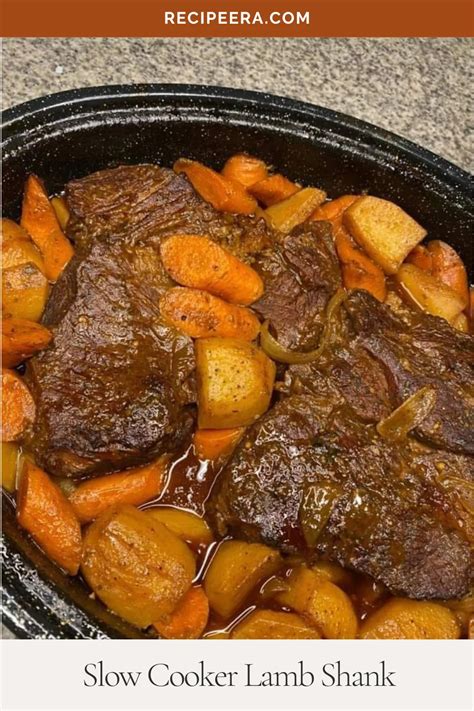
Just like any well-cooked meat, your pot roast benefits from a brief rest (10-15 minutes) after it comes out of the oven. This allows the juices to redistribute, ensuring maximum moisture. Shred or slice the tender beef, arrange it on a platter with accompanying roasted vegetables (potatoes and carrots cooked alongside are traditional), and spoon that glorious, deep-flavored gravy generously over everything. This isn’t just a meal; it’s a culinary hug, a testament to time-honored techniques that yield extraordinary results.