



Secret to moist, flavorful sheet cakes without drying out?

Unlocking the Secret to Perfectly Moist Sheet Cakes
Sheet cakes are a staple for potlucks, parties, and everyday indulgence. Their large, flat surface makes them easy to transport and serve, but also notoriously susceptible to drying out. The good news is that achieving a moist, tender crumb bursting with flavor isn’t a secret held by professional bakers alone. With a few key ingredients and precise techniques, you can master the art of the ever-moist sheet cake.

Ingredient Spotlight: Moisture-Retaining Heroes
The foundation of a moist cake lies in its ingredients. Understanding how each component contributes to hydration and tenderness is crucial.
Fat Content: Butter, Oil, and Shortening
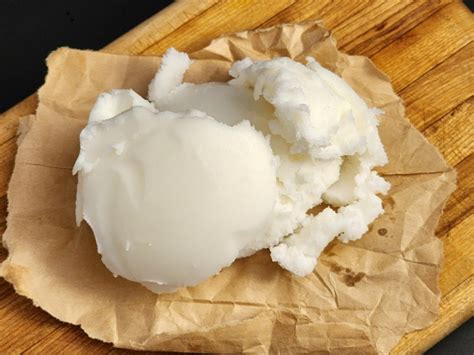
Fats tenderize the cake by coating flour proteins, preventing excessive gluten development. Butter adds rich flavor but oil often contributes more moisture, as it’s 100% fat, unlike butter which contains water. A combination often yields the best of both worlds. Using ingredients like sour cream, yogurt, or buttermilk also adds fat and acidity, further tenderizing the crumb.
Sugar: More Than Just Sweetness
Sugar is hygroscopic, meaning it attracts and retains moisture. It also helps keep cakes soft by interfering with gluten formation and egg protein coagulation. Don’t skimp on sugar unless your recipe is specifically designed to be low-sugar; it plays a vital role in texture and moisture.
Liquid Love: Milk, Buttermilk, and More
The type and amount of liquid directly impact moisture. Buttermilk and sour cream, with their acidic properties, react with baking soda to produce tenderness and a finer crumb, while also adding richness. Using hot liquids (like hot coffee or water in chocolate cakes) can bloom cocoa powder and other flavors, while also ensuring all ingredients are well-incorporated.
Mastering Baking Techniques for a Tender Crumb
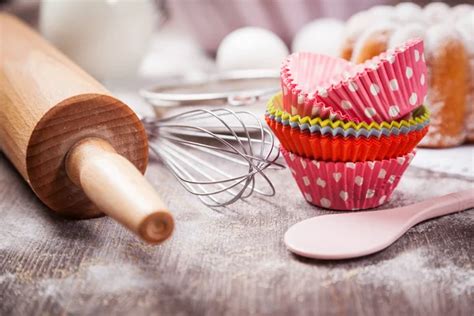
Even with the perfect ingredients, poor technique can lead to a dry cake. Precision is key.
Don’t Overmix the Batter
Once flour is added, mix only until just combined. Overmixing develops gluten, leading to a tough, dry cake. A light hand here is essential for a tender crumb.
The Perils of Overbaking
This is perhaps the biggest culprit of dry cakes. An oven thermometer is your best friend to ensure accurate temperature. Bake until a toothpick inserted into the center comes out with moist crumbs, not wet batter, and certainly not completely clean. The cake will continue to cook slightly from residual heat after it leaves the oven, so pulling it out just shy of “done” is often ideal. Keep an eye on the clock, but trust your senses more.
Cooling Gracefully
Allow the cake to cool in the pan for 10-15 minutes before inverting onto a wire rack. This allows the cake to set and firm up without breaking. Cooling completely on a wire rack prevents condensation and soggy bottoms, which can also affect texture.
Post-Baking Moisture and Flavor Boosts
The journey to a moist cake doesn’t end when it comes out of the oven.
Soaking Syrups and Glazes
A light brush or pour of simple syrup, flavored with vanilla, liquor, or citrus zest, immediately after the cake comes out of the oven can infuse incredible moisture and flavor. The warm cake absorbs the liquid readily. This is particularly effective for cakes that might be slightly drier by nature.
The Protective Frosting Layer
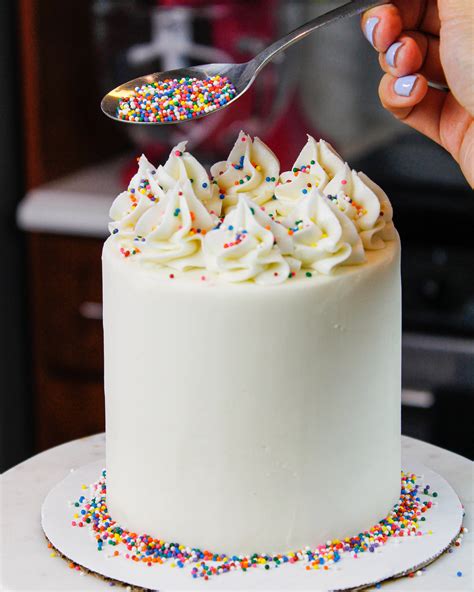
Once cooled, frosting acts as a protective barrier, sealing in moisture and preventing evaporation. Frost your sheet cake fully as soon as it’s cooled to room temperature. Buttercream, cream cheese frosting, or even a simple glaze will do the trick.

Storage for Lasting Freshness
How you store your sheet cake significantly impacts its longevity and moisture.
- Airtight Container: Always store frosted or unfrosted sheet cakes in an airtight container at room temperature for 2-3 days. This prevents exposure to air, which is the enemy of moisture.
- Refrigeration: If your frosting contains dairy or needs to be chilled, refrigerate the cake, but bring it to room temperature before serving for the best flavor and texture.
- Freezing: Sheet cakes freeze beautifully. Wrap unfrosted slices or the entire cake tightly in plastic wrap, then foil, and freeze for up to 2-3 months. Thaw overnight in the refrigerator.
Conclusion
Baking a moist, flavorful sheet cake is entirely achievable when you pay attention to both your ingredients and your technique. From selecting the right fats and liquids to avoiding the pitfalls of overmixing and overbaking, each step contributes to the final, delicious result. Embrace these tips, and your sheet cakes will become legendary for their irresistible tenderness and rich flavor, never succumbing to dryness again.