
Secret to a rich, deeply flavored, never dry classic Midwest pot roast?

The classic Midwest pot roast holds a special place in the hearts of many, a symbol of Sunday dinners, comfort, and hearty satisfaction. Yet, mastering that elusive balance of deep flavor, melt-in-your-mouth tenderness, and consistent moisture can be a culinary challenge. For those who’ve suffered through dry, stringy roast, the quest for perfection feels unending. Fear not, for the secret lies in a few fundamental principles, passed down through generations, that guarantee a pot roast that is never dry, always rich, and profoundly flavorful.
It’s more than just throwing meat and vegetables into a pot; it’s about understanding the synergy of ingredients, the power of proper technique, and the magic of patience. Let’s unlock the secrets to a truly unforgettable Midwest pot roast.
The Foundation: Selecting the Right Cut
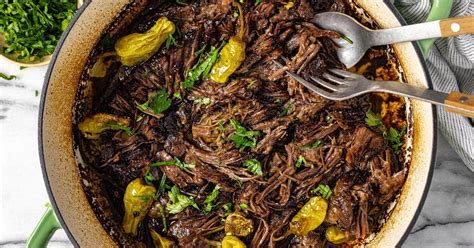
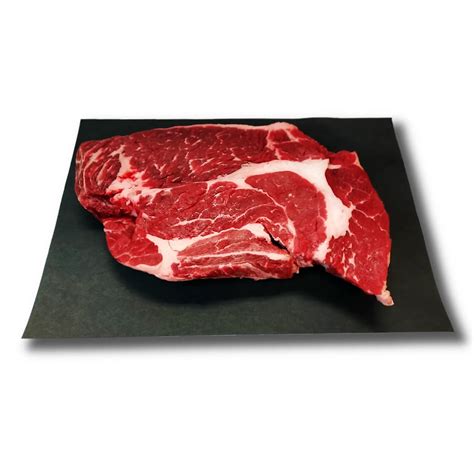
The journey to a magnificent pot roast begins long before it hits the heat, starting with your choice of meat. For a classic Midwest pot roast, there’s one undisputed champion: the chuck roast. This cut, typically from the shoulder, is rich in connective tissue and marbling, which breaks down beautifully during long, slow cooking, transforming into gelatin that keeps the meat incredibly moist and tender. Avoid leaner cuts like sirloin or round roast, as they lack the fat and collagen necessary for that signature fall-apart texture and rich mouthfeel.
Look for a chuck roast that has good marbling – streaks of fat running through the lean meat – and is a decent size, typically 3-5 pounds, to withstand the long cooking process without drying out. A good butcher can guide you to the ideal piece, ensuring your foundation is solid.
Building Flavor: Searing and Aromatics
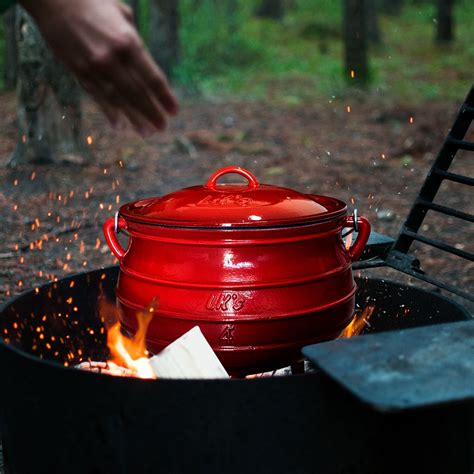
One of the most critical steps often overlooked is searing the meat. While it might seem like an extra hassle, searing creates a deeply caramelized crust on the exterior of the beef, a process known as the Maillard reaction. This reaction develops hundreds of new flavor compounds, adding an unparalleled depth and complexity that permeates the entire dish. Use a heavy-bottomed pot, like a Dutch oven, and get it screaming hot with a touch of high-smoke-point oil before browning the chuck roast aggressively on all sides.
After searing, remove the roast and deglaze the pan with a splash of liquid (like red wine or beef broth). This loosens all the flavorful browned bits stuck to the bottom, which will then become part of your incredible braising liquid. Now is also the time to sauté your aromatic vegetables – onions, garlic, and celery – directly in the same pot. These humble ingredients, softened and slightly caramelized, build another crucial layer of foundational flavor.
The Magic of Braising: Liquid Gold
The braising liquid is where the pot roast truly comes alive. It’s not just about submerging the meat; it’s about infusing it with layers of savory goodness. A quality beef broth is paramount – ideally, homemade, but a good store-bought low-sodium version will do. To this, add elements that enhance complexity: a good dry red wine (like Cabernet Sauvignon or Merlot) for acidity and depth, a tablespoon or two of tomato paste for umami, and a bay leaf or two, fresh thyme sprigs, and perhaps some rosemary. Some prefer a touch of Worcestershire sauce or even a dollop of Dijon mustard for extra zing.
Ensure your liquid comes about two-thirds up the side of the roast, but doesn’t completely submerge it. This allows part of the meat to gently roast while the submerged portion braises, creating a more dynamic texture and flavor profile.
Low and Slow: The Patience for Perfection
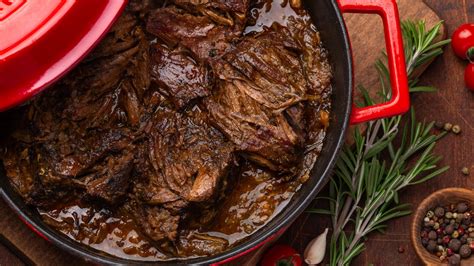
Here lies the ultimate secret to a never-dry, fall-apart tender pot roast: cooking it low and slow. Whether you use a slow cooker, a conventional oven, or a stovetop Dutch oven, the principle remains the same. High heat will toughen the meat and dry it out. Low temperatures, typically between 275-325°F (135-160°C) in an oven, or on the ‘low’ setting in a slow cooker, allow the tough connective tissues in the chuck roast to slowly break down into succulent gelatin. This process takes time – often 3 to 4 hours in an oven or 6 to 8 hours in a slow cooker – but it is absolutely essential for tender perfection.
Keep the pot tightly covered to prevent moisture from escaping. The trapped steam and liquid create a moist, flavorful environment that gently coaxes the meat into submission. Resist the urge to constantly check on it; every time you lift the lid, heat and moisture escape, extending cooking time and potentially impacting tenderness.
The Finishing Touches: Vegetables and Gravy
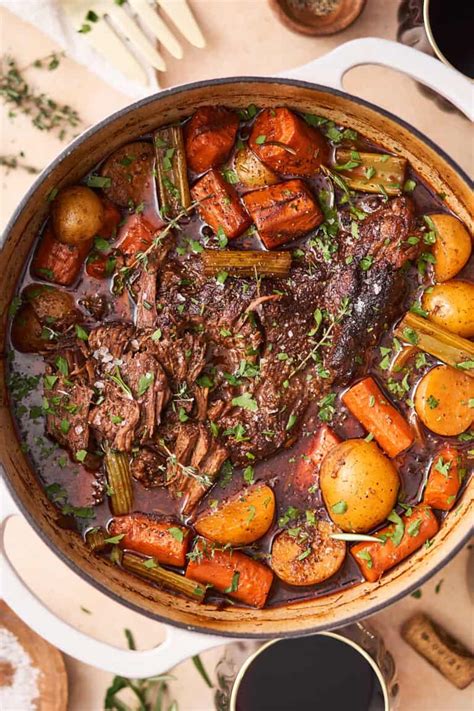
For the quintessential Midwest pot roast, vegetables are a must. Carrots, potatoes (Yukon Gold or red potatoes are excellent), and additional onions are classic choices. The trick is knowing when to add them. If added too early, they’ll turn to mush. A good rule of thumb is to add them about 1.5 to 2 hours before the estimated end of the cooking time, allowing them to soften and absorb the rich braising liquid without losing their texture entirely.
Once the roast is fork-tender, carefully remove it and the vegetables to a platter and tent with foil to rest. This resting period is crucial for the juices to redistribute, ensuring maximum moisture. Now, for the grand finale: the gravy. Skim any excess fat from the braising liquid, then thicken it on the stovetop. A simple slurry of cornstarch and water or a roux made from flour and butter works wonders. Whisk continuously until you achieve a rich, glossy, and flavorful gravy that is the perfect accompaniment to your tender beef and vegetables.
There you have it – the time-honored secrets to a classic Midwest pot roast that will never be dry, but always deeply flavored and incredibly tender. From choosing the right cut and building layers of flavor through searing and aromatics, to the magic of patient, low-and-slow braising, and finishing with perfectly cooked vegetables and a velvety gravy, each step contributes to a masterpiece of comfort food. So gather your ingredients, follow these steps, and prepare to enjoy a pot roast that truly lives up to its legendary status.