




Secret for moist, big-flavor Midwest meatloaf that isn’t dense?

Unlocking the Perfect Midwest Meatloaf: Moist, Flavorful, and Never Dense
Ah, meatloaf. The quintessential comfort food that conjures images of cozy family dinners. Yet, many home cooks grapple with a common dilemma: how to achieve a meatloaf that’s juicy, packed with flavor, and wonderfully tender, rather than dry, bland, or dense. For a true Midwest classic, the secret lies in a few key techniques and ingredients that elevate this humble dish to culinary perfection.
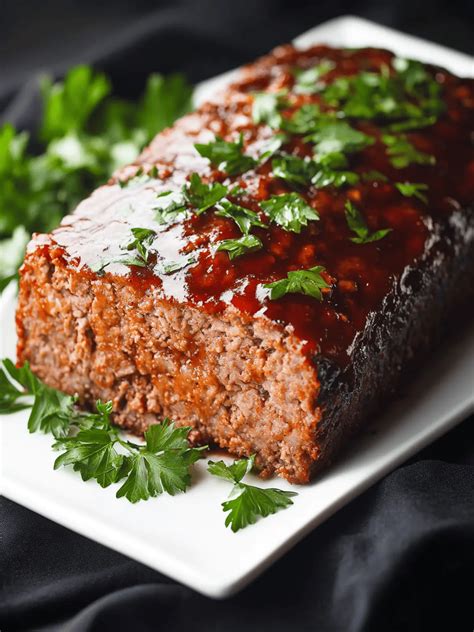
The Foundation: Choosing Your Meat Blend Wisely
The journey to a moist, flavorful meatloaf begins with your choice of ground meat. Using a single type of lean ground beef is a common mistake that leads to dryness. The secret is fat, and a blend. Opt for a mix of ground beef (80/20 chuck is ideal for flavor and moisture), combined with ground pork or even veal. Pork adds tenderness and moisture, while veal contributes a delicate texture. This blend ensures a rich, complex flavor profile and enough fat to keep the loaf succulent as it bakes.
The Moisture Keepers: The Panade and Liquids
Beyond the meat itself, a crucial element for moisture and preventing density is the panade – a mixture of bread or crackers soaked in liquid. Forget dry breadcrumbs! A proper panade, made from fresh bread (like white sandwich bread or brioche) soaked in milk, cream, or even beef broth, creates a matrix that traps moisture within the meat. Eggs act as a binder, helping the loaf hold its shape, but it’s the panade that truly transforms the texture from dense to delightful.
The goal is to introduce just enough moisture without making the mixture sloppy. The liquid from the panade, combined with the fats from the meat, ensures every bite is juicy and tender.

Layering on the Big Flavor: Aromatics and Umami Boosters
A bland meatloaf is a missed opportunity. To achieve that signature big flavor, you need a powerful aromatic base and umami enhancers. Finely minced and sautéed onions and garlic are non-negotiable; sautéing them first softens them and deepens their flavor. Consider adding finely diced celery or bell pepper for extra depth and moisture.
For umami, incorporate Worcestershire sauce, a good quality ketchup or chili sauce, Dijon mustard, and perhaps a dash of soy sauce. Fresh herbs like parsley or thyme brighten the flavor. Don’t be shy with your seasonings – salt and freshly ground black pepper are essential, but a touch of smoked paprika or a secret dash of celery salt can truly elevate the taste.
The Anti-Density Secret: Mixing Matters
This is perhaps the most critical step in avoiding a dense, rubbery meatloaf. Overmixing develops the proteins in the meat, leading to a tough texture. Think of it like making a cake – you mix until just combined. Gently combine all the ingredients with your hands, just until everything is evenly distributed. Do not knead or press too hard. The mixture should feel light and somewhat loose.
Forming the loaf also impacts density. While a loaf pan is convenient, baking a free-form loaf on a baking sheet allows for better air circulation, resulting in a slightly crispier exterior and a more tender interior. If using a loaf pan, don’t pack the mixture tightly.
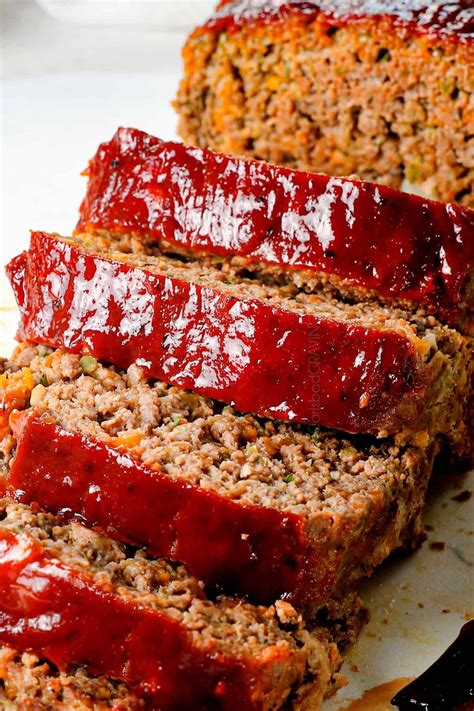
The Glaze: A Sweet and Tangy Crown
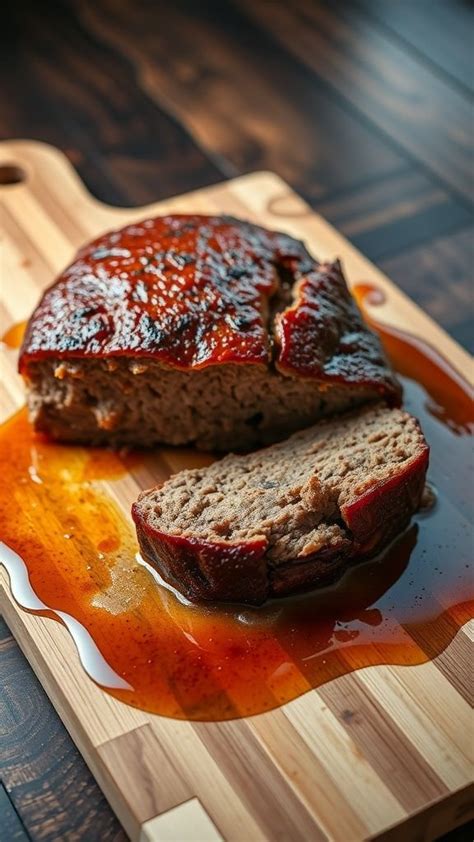
No Midwest meatloaf is complete without its signature glaze. A simple mix of ketchup, brown sugar, and a touch of apple cider vinegar or Worcestershire sauce creates a beautiful, tangy-sweet crust that caramelizes as it bakes. Apply the glaze about halfway through the baking process to prevent it from burning, allowing it to develop a rich, irresistible flavor and sheen.
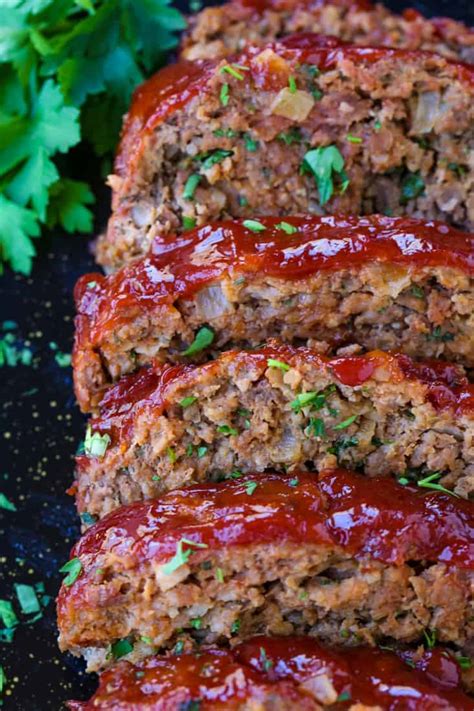
Baking to Perfection and Resting
Bake your meatloaf at a moderate temperature (around 350°F / 175°C) until it reaches an internal temperature of 160°F (71°C). Overbaking is a sure path to dryness. Once cooked, the final, often overlooked, secret is to let it rest. Just like a good steak, resting allows the juices to redistribute throughout the loaf, ensuring maximum moisture and tenderness. Tent it loosely with foil and let it rest for 10-15 minutes before slicing. This simple step can make all the difference.
Conclusion: A Meatloaf Reimagined
By thoughtfully selecting your meat, mastering the panade, layering robust flavors, mixing gently, and baking and resting correctly, you can transcend the dense and dry meatloaf stereotype. Embrace these secrets, and you’ll be serving up a moist, big-flavor Midwest meatloaf that earns rave reviews every time.