





My Midwest chili lacks depth. How do I build truly rich, hearty flavor?

Beyond the Basics: Unlocking Deeper Chili Flavors
Midwest chili holds a special place in our hearts – a comforting bowl on a cold day, a staple at potlucks, and a reliable crowd-pleaser. But sometimes, despite our best efforts, it can feel… a little flat. If your chili is missing that rich, complex depth that truly sings on the palate, you’re not alone. Building truly hearty flavor is an art, and it starts with understanding the key components that elevate a good chili to a great one. Let’s dive into the strategies that will transform your next batch from merely satisfying to absolutely unforgettable.
Starting Strong: The Foundation of Flavor
The journey to a deeply flavored chili begins right at the stovetop. Don’t rush these initial steps. First, ensure your ground meat (beef, pork, or a combination) is well-browned. This isn’t just about cooking it through; it’s about developing a rich, caramelized crust that adds significant savory depth. Cook in batches if necessary to avoid overcrowding the pan, which steams the meat instead of browning it. Once browned, remove the meat and sauté your aromatics – onions, garlic, and peppers – in the rendered fat until softened and slightly caramelized. This sweetness and aromatic foundation are crucial.

Spice Strategy: Toasting, Layering, and Bloom
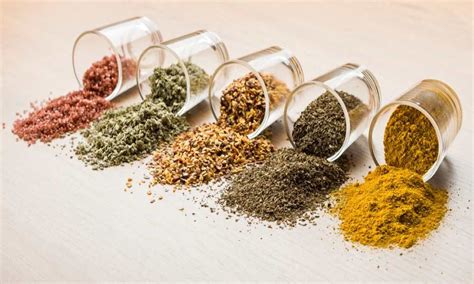
Chili wouldn’t be chili without its signature spice blend, but how you use those spices makes all the difference. Toasting whole spices (like cumin seeds or coriander seeds) in a dry pan before grinding them enhances their essential oils and deepens their flavor profile. Once ground, or if using pre-ground spices, “bloom” them. After sautéing your aromatics, add your chili powder, cumin, paprika, oregano, and any other spices to the pan and cook for 1-2 minutes, stirring constantly. This brief exposure to heat and fat releases their flavors and aromas, creating a more intense and complex spice base.
Don’t be afraid to layer your spices. Some can go in early with the aromatics, while others might be added halfway through simmering, or even as a finishing touch, to provide different aromatic notes.
Umami Powerhouses: Secret Ingredients for Depth
True depth often comes from umami – that savory, fifth taste. Several ingredients can provide a significant boost:
- Tomato Paste: Always sauté tomato paste for a few minutes after the spices. This caramelizes its sugars and deepens its flavor, moving it from tangy to rich.
- Brewed Coffee or Espresso: A small amount (1/4 to 1/2 cup) of strong, unsweetened coffee or espresso adds incredible depth and bitterness that balances the richness without making the chili taste like coffee.
- Dark Chocolate: Unsweetened or very dark chocolate (1-2 squares) melts into the chili, adding a luxurious, subtle bitterness and roundness.
- Worcestershire Sauce, Soy Sauce, or Fish Sauce: A splash of any of these umami bombs can dramatically enhance savory notes without being detectable as their original flavor. Start with a teaspoon and taste.
- Mushrooms: If you’re open to it, finely minced mushrooms added with the aromatics can provide a meaty, earthy umami boost.
Building the Liquid Gold: Broth, Beer, and Beyond
The liquid base of your chili is more than just a vehicle; it’s a flavor contributor. Ditch water if you can. Opt for a high-quality beef or chicken broth (low sodium allows you to control seasoning). Even better, consider adding beer. Darker beers like stouts or porters offer malty, roasted notes that marry beautifully with chili spices, while lighter lagers or amber ales can add a pleasant bitterness and brightness. Deglazing the pan with beer or broth after browning the meat and blooming the spices captures all those flavorful browned bits.

The Patient Simmer: Time is Your Friend
Perhaps the most crucial, yet often overlooked, ingredient for depth is time. Chili flavors need to meld, deepen, and concentrate. A minimum of 2-3 hours of simmering on low heat, ideally with the lid slightly ajar to allow some evaporation, will work wonders. Even better, let it simmer for 4-6 hours, stirring occasionally. The magic truly happens when the chili cools down and is reheated the next day, as flavors continue to develop and integrate. Don’t rush it.

Balancing Act: Acid, Sweet, and Heat
As your chili simmers and its flavors deepen, a final balance is essential. A touch of acidity can brighten heavy flavors – a splash of apple cider vinegar, lime juice, or even a little extra crushed tomatoes can cut through richness. If your chili is too spicy, a bit of sugar or honey can mellow the heat and enhance other flavors. Conversely, if it’s too sweet, a pinch of salt or a dash of hot sauce can bring it back into equilibrium. Taste, adjust, and taste again until it sings.
Conclusion: Embrace the Layers
Transforming a good Midwest chili into an extraordinary one is all about building layers of flavor from the very first step. By paying attention to browning, spice techniques, umami boosters, quality liquids, and giving it ample time to simmer, you’ll achieve that truly rich, hearty, and complex flavor you’ve been craving. Don’t be afraid to experiment with these techniques; your perfect bowl of chili awaits!