




How to prevent soggy fruit pie bottoms & get a perfectly flaky crust?

The Bane of Every Baker: Soggy Pie Bottoms
There’s nothing quite as disheartening as pulling a beautiful fruit pie from the oven, only to find its bottom crust has turned into a sad, soggy mess. While the filling might be bursting with flavor, a damp, unbaked crust can ruin the entire experience. But fear not, aspiring pie makers! Achieving a perfectly flaky, crisp bottom crust for your fruit pies is entirely within reach, and it often comes down to mastering a few key techniques.

Crafting the Perfect Pie Dough: It Starts Here
A great pie begins with great dough. The secret to flakiness lies in cold fat and minimal handling.
- Cold Fat is Key: Use unsalted butter, shortening, or a combination, cut into small pieces and kept very cold. This prevents the fat from fully incorporating into the flour, creating pockets of steam during baking that result in a flaky texture.
- Minimal Water: Add ice-cold water sparingly, just enough to bring the dough together. Too much water develops gluten, leading to a tough crust.
- Don’t Overwork It: Mix the dough just until it barely comes together. Overworking develops gluten, which makes the crust dense and less flaky.
- Chill Out: Always chill your pie dough for at least 30 minutes (preferably longer) before rolling. This allows the gluten to relax and the fat to firm up, making it easier to roll and preventing shrinkage.
The Mighty Blind Bake: Your Best Defense
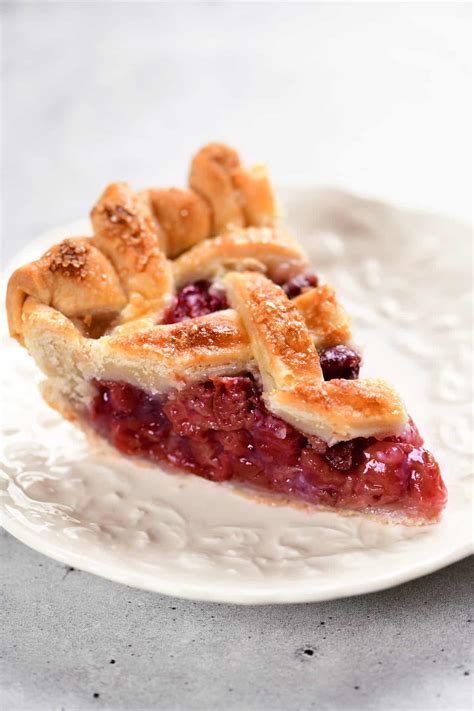
Blind baking, or pre-baking your pie crust, is arguably the most crucial step in preventing a soggy bottom, especially for fruit pies with high moisture content.
How to Blind Bake:
- Dock the Crust: After lining your pie plate with dough, prick the bottom and sides thoroughly with a fork. This allows steam to escape, preventing bubbles.
- Chill Again: Place the docked crust in the freezer for 15-20 minutes. This helps the fat solidify and reduces shrinkage.
- Line and Weight: Line the chilled crust with parchment paper, leaving an overhang. Fill it with pie weights, dried beans, or rice, ensuring the weights reach up the sides to support the crust.
- Bake It: Bake in a hot oven (usually 375-400°F / 190-200°C) for 15-20 minutes, or until the edges are lightly golden. Remove the weights and parchment.
- Finish Baking (Optional): For a fully baked crust (if your filling requires minimal baking), continue baking for another 10-15 minutes, or until the bottom is golden brown. For most fruit pies, a partial blind bake (until just set and light golden) is sufficient, as the crust will finish baking with the filling.
Managing Moisture: The Fruit Filling Dilemma
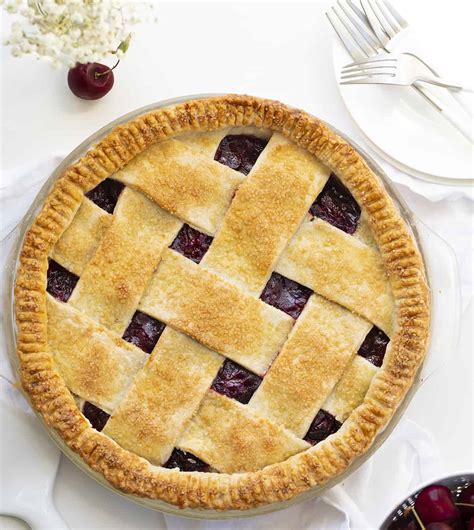
Even with a perfectly blind-baked crust, an overly wet fruit filling can still lead to sogginess. Here’s how to manage it:
- Thickening Agents: Use cornstarch, tapioca, or flour to absorb excess fruit juices. Tapioca is great for clear, glossy fillings, while cornstarch offers good thickening power. Adjust the amount based on the fruit’s juiciness.
- Pre-cook Juicy Fruits: For exceptionally watery fruits like berries, gently simmer them with sugar and thickener on the stovetop for a few minutes until the juices thicken slightly. Cool completely before filling the pie.
- Sugar Draws Moisture: Be mindful of how much sugar you add, as it can draw out more moisture from the fruit. Adjust to taste.
- Don’t Overfill: Leave some space at the top to prevent bubbling over and making a mess, which can also soften the top crust.
Baking Smarter: Oven Temperature and Timing
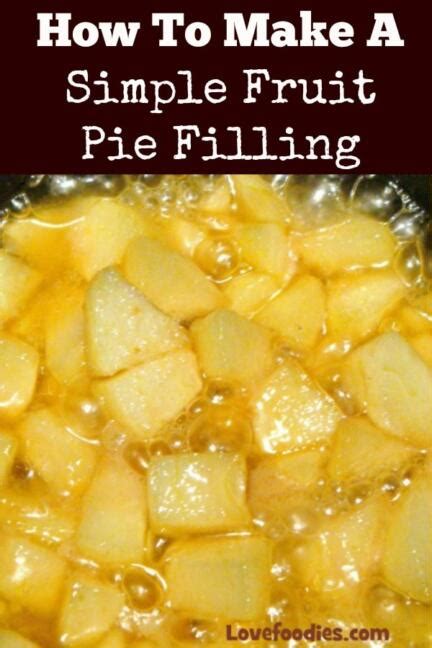
The final bake is crucial for achieving that golden, crisp finish.
- Hot Oven Start: Many recipes call for starting fruit pies in a hot oven (425-450°F / 220-230°C) for the first 15-20 minutes, then reducing the temperature (to 375-400°F / 190-200°C) for the remainder of the baking time. The initial high heat helps set the bottom crust quickly.
- Bake Until Golden: Don’t underbake! The crust needs enough time to fully cook and become golden brown on the bottom. Lift the pie slightly with a spatula to check the bottom color if you’re unsure.
- Elevate for Even Cooking: Baking your pie on the bottom rack for part of the cooking time can help ensure the bottom crust gets adequate heat. Alternatively, preheating a baking steel or stone in your oven and placing the pie directly on it can transfer heat efficiently to the bottom.
- Cool Completely: Allow your pie to cool completely on a wire rack before slicing. This allows the filling to set properly and the crust to firm up, preventing structural collapse and further sogginess.
Conclusion: Flaky Perfection Awaits
Preventing a soggy fruit pie bottom and achieving a gloriously flaky crust isn’t a single trick, but a combination of careful steps and techniques. From the initial dough preparation to the blind bake, moisture management, and smart baking, each stage plays a vital role. By implementing these tips, you’ll be well on your way to baking fruit pies that are not only delicious but also boast that coveted crisp, golden bottom crust every single time.