


How to prevent dry Midwest meatloaf while boosting its hearty flavor?

The Quest for the Perfect Midwest Meatloaf
Ah, meatloaf. The quintessential comfort food that conjures images of cozy Sunday dinners and hearty family meals. In the Midwest, it’s practically a culinary institution. Yet, for all its nostalgic appeal, many home cooks struggle with a common adversary: dry, crumbly meatloaf. The good news? Achieving a moist, tender, and intensely flavorful meatloaf is entirely within your reach with a few simple tweaks to your technique and ingredient list.
This guide will walk you through the secrets to banishing dryness forever while amplifying those classic, hearty flavors that make Midwest meatloaf so beloved.
Mastering Moisture: The Foundation of a Juicy Loaf
The battle against dryness begins with your ingredient choices and how you combine them. Think of your meatloaf mix as a delicate balance where every component plays a role in retaining moisture.
Choosing the Right Ground Meat
- Fat Content is Key: Opt for ground beef with at least an 80/20 lean-to-fat ratio (80% lean, 20% fat). The fat renders during cooking, contributing significant moisture and flavor. Leaner meats, while healthier, are the primary culprit behind dry meatloaf.
- Consider Blends: A mix of ground beef, pork, or even veal can add complexity and improve moisture. Pork, in particular, contributes extra fat and a richer flavor.
Moisture-Rich Fillers and Binders
These ingredients don’t just bind; they introduce and lock in moisture:
- Soaked Breadcrumbs/Crumbs: Instead of dry breadcrumbs, soak them in milk, broth, or even a little water before adding. This allows them to absorb liquid, which they then release slowly during baking. Crushed crackers or even leftover cooked rice can also work wonders.
- Eggs: Eggs are essential binders, but they also contribute a touch of moisture and richness.
- Dairy: A splash of whole milk, buttermilk, or heavy cream mixed into the meatloaf can make a significant difference.
- Finely Diced Vegetables: Sautéing finely diced onions, celery, and bell peppers until softened before adding them to the mix releases their natural moisture and adds a layer of savory flavor without making the meatloaf watery.
Boosting Hearty Flavor: Beyond Salt and Pepper
While moisture is crucial, a truly great meatloaf sings with robust flavor. Don’t be shy about layering on aromatics and umami-rich ingredients.
Aromatics and Herbs
- Garlic and Onion: Minced fresh garlic and sautéed onions are non-negotiable. Their sweetness and pungency are foundational.
- Fresh Herbs: Thyme, sage, rosemary, and parsley (fresh or dried) elevate the aroma and taste profile.
- Smoked Paprika: A teaspoon or two of smoked paprika adds a warm, smoky depth that complements the beef beautifully.
Umami Boosters
These ingredients provide that savory, irresistible ‘fifth taste’ that makes you crave another slice:
- Worcestershire Sauce: A classic for good reason, it adds a tangy, savory punch.
- Dijon Mustard: Just a teaspoon or two can brighten the flavors without making the meatloaf taste like mustard.
- Tomato Paste: Concentrated tomato flavor adds richness and a touch of sweetness.
- Soy Sauce: A surprising but effective addition for deep umami.
- Ketchup/Chili Sauce: Not just for the glaze, a bit mixed into the loaf itself can add a tangy sweetness.
The Art of Mixing and Shaping
Even with the best ingredients, improper mixing can lead to tough or dry meatloaf.
- Gentle Hand: Use your hands to mix, but do so gently and briefly. Overmixing develops the proteins in the meat, leading to a dense, tough texture. Mix just until ingredients are combined.
- Loaf Pan vs. Freeform: While a loaf pan helps contain juices, baking freeform on a baking sheet can allow for better browning and a crispier exterior. If using a pan, consider lining it with parchment paper for easy removal. If freeform, shape it into a tight, uniform loaf to ensure even cooking.

Baking for Perfection: Temperature, Timing, and Resting
The baking process is where all your careful preparation comes to fruition.
- Lower Temperature, Longer Bake: Resist the urge to crank up the heat. A moderate oven (350°F / 175°C) allows the meatloaf to cook through gently, giving the fats and liquids time to render and absorb, keeping it moist.
- Internal Temperature: Use a meat thermometer! Meatloaf is safely cooked when it reaches an internal temperature of 160°F (71°C). Overcooking is a guaranteed path to dryness.
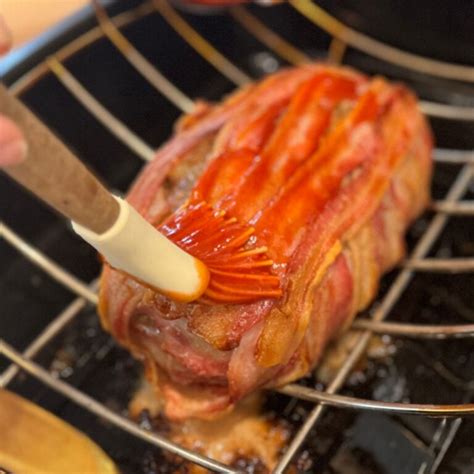
- The Glaze Factor: Apply your favorite glaze (a simple mix of ketchup, brown sugar, and a splash of vinegar is classic) during the last 15-20 minutes of baking. This allows it to caramelize without burning and forms a delicious, protective crust that seals in moisture.
- Crucial Resting Period: This is perhaps the most overlooked step. Once your meatloaf is out of the oven, let it rest for at least 10-15 minutes before slicing. This allows the juices to redistribute throughout the loaf, resulting in a significantly more tender and moist slice.
Your Best Meatloaf Yet
By paying attention to your ground meat choice, incorporating moisture-rich binders and vegetables, layering robust flavors, and employing proper mixing and baking techniques, you can transform your Midwest meatloaf from a dry dilemma into a celebrated, juicy masterpiece. Say goodbye to crumbly, bland slices and hello to a truly hearty, flavorful, and perfectly moist comfort food that will have everyone asking for seconds. Happy cooking!