



How to make a classic Midwest pot roast incredibly tender and flavorful?

The Midwest pot roast is more than just a meal; it’s a culinary hug, a staple of Sunday dinners, and a symbol of hearty comfort food. Achieving that coveted fork-tender texture and deeply rich flavor isn’t difficult, but it does require a few key techniques and a little patience. Let’s dive into how to create a pot roast that will have everyone asking for seconds.
Choosing the Right Cut: The Foundation of Tenderness
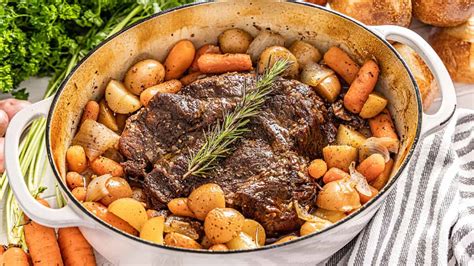
The journey to a tender pot roast begins at the butcher counter. The undisputed champion for pot roast is a chuck roast (also known as chuck eye, chuck roll, or shoulder roast). This cut is perfect because it has a good amount of marbling and connective tissue, which breaks down beautifully during long, slow cooking, yielding that desirable melt-in-your-mouth texture. Opt for a piece that is well-marbled, about 3-4 pounds.
Building Flavor: The Power of the Sear
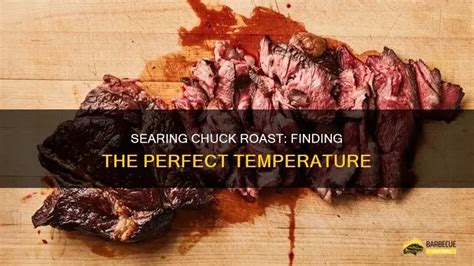
Before any slow cooking begins, searing the beef is non-negotiable. This step doesn’t just look good; it creates a flavorful crust through the Maillard reaction, locking in juices and adding incredible depth to your roast. Pat the chuck roast dry with paper towels – moisture inhibits browning. Season generously with salt and black pepper on all sides. Heat a heavy-bottomed pot or Dutch oven over medium-high heat with a tablespoon or two of high-smoke-point oil (like canola or grapeseed). Sear the roast for 3-5 minutes per side until a deep, dark brown crust forms. Remove the roast and set aside.
Aromatic Layers: Vegetables and Herbs
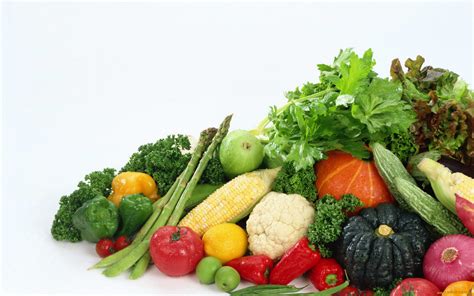
The flavor profile of a classic pot roast is heavily influenced by its aromatic base. After searing the beef, reduce the heat to medium and add chopped onions, carrots, and celery to the pot. Sauté these vegetables until softened and slightly browned, scraping up any browned bits from the bottom of the pot (this is called deglazing and adds immense flavor). Garlic is also essential; add minced garlic during the last minute of sautéing to prevent burning. For herbs, fresh rosemary and thyme sprigs are classic choices, infusing the pot roast with earthy, aromatic notes.
The Magic of Slow Cooking: Liquid and Low Heat
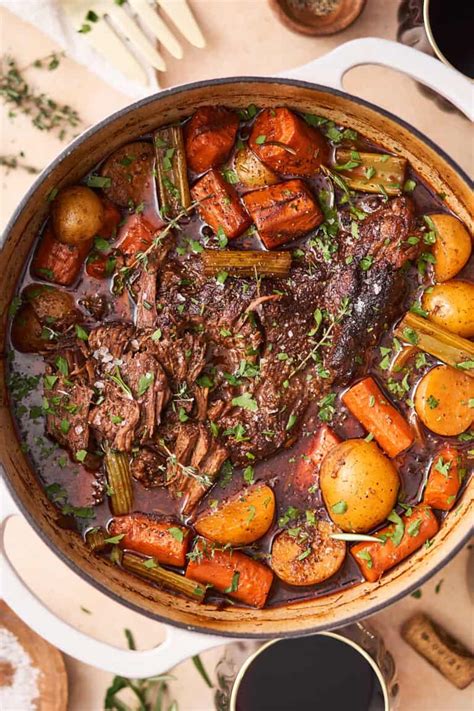
This is where the magic happens. Return the seared beef to the pot, nestling it among the sautéed vegetables. Now, add your liquid. Beef broth is the standard, but a splash of red wine or even a can of diced tomatoes can add complexity. The liquid should come up about halfway to two-thirds of the way up the side of the roast, but not completely submerge it. Too much liquid will boil the roast, rather than braise it. Bring the liquid to a simmer, then cover the pot tightly and transfer it to a preheated oven at a low temperature, typically 300-325°F (150-160°C). Alternatively, you can use a slow cooker on the low setting.
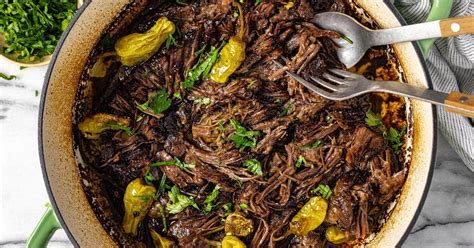
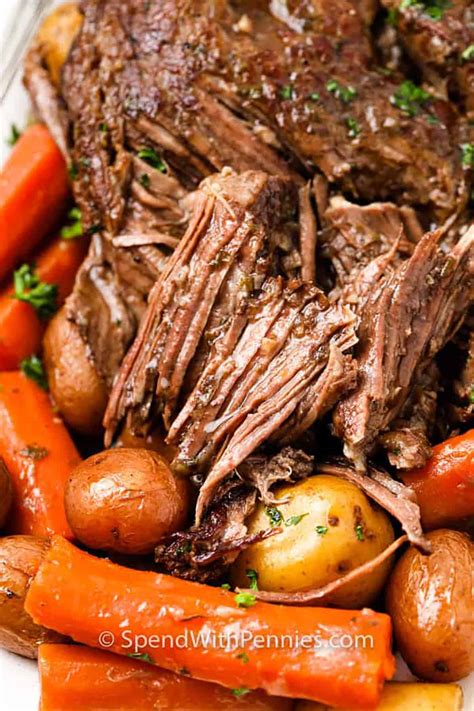
The key to tenderness is time. A 3-4 pound chuck roast will typically need 3-4 hours in the oven or 6-8 hours on low in a slow cooker. The pot roast is done when it can be easily shredded with two forks. If it’s still tough, it simply needs more time. Don’t rush it!

Finishing Touches and Serving
Once the pot roast is incredibly tender, remove it from the oven or slow cooker. Carefully transfer the roast to a cutting board, tent it with foil, and let it rest for 10-15 minutes. This allows the juices to redistribute, ensuring a moist roast. While the beef rests, you can prepare a gravy from the cooking liquid. Strain the liquid, skim off excess fat, and thicken it with a cornstarch slurry or a roux if desired.
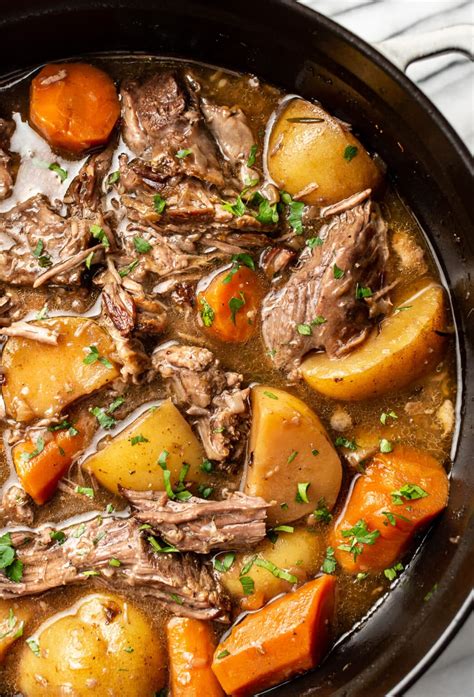
Shred or slice the pot roast against the grain. Serve it with the accompanying tender vegetables and a generous ladle of the rich, flavorful gravy. Mashed potatoes, egg noodles, or crusty bread are perfect accompaniments to soak up every last drop of the delicious sauce.
A Timeless Comfort
Creating a classic Midwest pot roast is a rewarding experience that fills your home with comforting aromas and your table with a meal everyone will love. By focusing on the right cut of meat, effective searing, a robust aromatic base, and patient slow cooking, you’ll achieve a pot roast that is not only incredibly tender but bursting with deep, satisfying flavor every single time.