


How to get ‘big flavor’ in classic Midwest meatloaf without it drying out?

The Quest for the Ultimate Midwest Meatloaf
The classic Midwest meatloaf holds a special place in the hearts of many, evoking memories of comforting family dinners. However, the pursuit of that rich, savory flavor often comes with the challenge of preventing the meatloaf from turning into a dry, crumbly brick. Achieving a perfect balance of ‘big flavor’ and irresistible moisture is an art, but one that is entirely attainable with the right approach to ingredients, mixing, and baking. Let’s dive into the secrets that transform a good meatloaf into a truly great one.
The Foundation: Choosing Your Meat Blend Wisely
The type of ground meat you use is perhaps the most critical factor in both flavor and moisture. Lean ground beef (90/10 or higher) is a common culprit for dry meatloaf. For true Midwest flavor and succulence, aim for a blend with a higher fat content.
- 80/20 Ground Beef: This is your best friend. The higher fat content renders during cooking, keeping the meatloaf moist and adding significant flavor.
- Mixing Meats: Elevate your flavor profile by combining ground beef with other meats. Ground pork adds tenderness and sweetness, while ground veal provides a delicate richness. A mixture of equal parts 80/20 ground beef, ground pork, and even a little ground Italian sausage (mild or hot, depending on preference) can create a complex, deeply satisfying flavor.
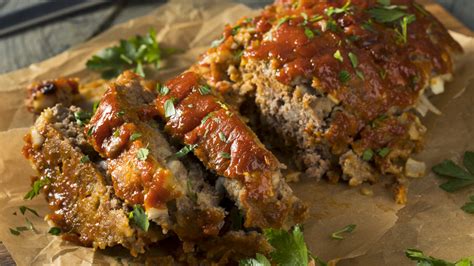
Flavor Powerhouses: Ingredients That Deliver
Beyond the meat, the other components are where ‘big flavor’ truly takes shape. These aren’t just fillers; they’re essential flavor enhancers.
- Aromatics: Finely diced or grated onion and garlic are non-negotiable. Sautéing them gently before adding them to the mixture can soften their raw edge and intensify their sweetness and aroma. Bell peppers, celery, or even finely grated carrots can add an extra layer of flavor and moisture.
- Umami Boosters: Worcestershire sauce is a classic for a reason, adding a deep savory note. Consider a dash of soy sauce, a spoonful of tomato paste, or even a bit of mushroom powder for an extra layer of umami complexity. Mustard (Dijon or even a touch of dry mustard powder) can brighten the flavors.
- Herbs and Spices: Don’t be shy! Dried thyme, oregano, sage, and a generous amount of black pepper are traditional. Fresh parsley adds a fresh, herbaceous lift. A pinch of smoked paprika can also add a delightful depth.
The Moisture Mission: Keeping It Juicy
While fat content helps, additional ingredients are key to ensuring a tender, moist interior that holds together beautifully.
- Binders and Liquids: Breadcrumbs (fresh are best, but panko works well) absorb moisture and keep the loaf from becoming too dense. Don’t forget the liquid! Milk, heavy cream, beef broth, or even a can of crushed tomatoes (drained) can hydrate the breadcrumbs and moisten the meat mixture. About 1/2 cup of liquid per 2 pounds of meat is a good starting point.
- Eggs: Eggs act as a binder, helping the meatloaf hold its shape. For extra moisture, some recipes call for separating the egg and whisking the whites, then folding them in, but simply adding whole eggs works effectively.
- Secret Weapons for Moisture: Grated zucchini, mushrooms, or even a few tablespoons of sour cream or cream cheese can subtly add moisture without altering the flavor profile significantly.
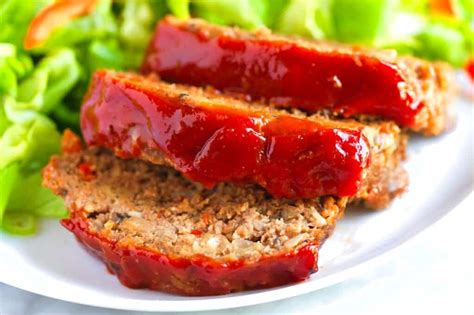
Mastering the Mix and Bake: Temperature and Timing
How you handle the mixture and bake it plays a crucial role in preventing dryness.
- Gentle Mixing: Overmixing develops the proteins in the meat, leading to a tough, dry meatloaf. Mix just until all ingredients are combined. Use your hands for the most effective and gentle incorporation.
- Forming the Loaf: You can use a loaf pan, but for a crispier exterior and more even cooking, consider free-forming your meatloaf on a baking sheet. Shape it into an oval loaf, roughly 2-3 inches high.
- Temperature Control: A moderate oven temperature (around 350°F / 175°C) is ideal. Baking too hot too quickly can dry out the edges before the center cooks.
- Don’t Overcook: The internal temperature of your meatloaf should reach 160°F (71°C) for beef. Use a meat thermometer to check for doneness. Overcooking by even a few degrees can make a significant difference in moisture.
- Resting Period: Just like a steak, meatloaf benefits from resting. Once out of the oven, tent it loosely with foil and let it rest for 10-15 minutes. This allows the juices to redistribute throughout the loaf, ensuring every slice is moist and flavorful.
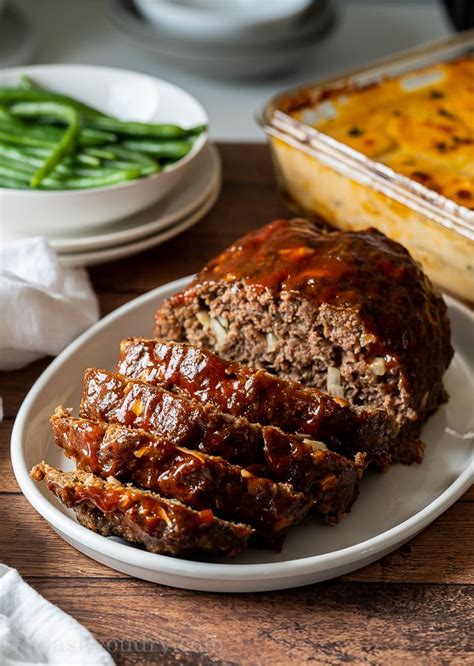
The Perfect Glaze: A Finishing Touch
While the internal flavor is paramount, a well-executed glaze adds another layer of ‘big flavor’ and moisture to the exterior.
- Classic Ketchup Glaze: A simple mix of ketchup, a touch of brown sugar, and a splash of apple cider vinegar or Worcestershire sauce is a timeless choice.
- Spicy or Savory Glazes: Experiment with adding a little sriracha for heat, smoked paprika for depth, or even a bit of barbecue sauce for a different profile.
- When to Glaze: Apply the glaze during the last 20-30 minutes of baking. This allows it to caramelize without burning.

With these strategies, you’re well-equipped to conquer the common pitfalls of meatloaf and consistently produce a classic Midwest comfort food that is rich in flavor, wonderfully moist, and utterly satisfying. Say goodbye to dry, bland meatloaf and hello to a new family favorite!