


How to capture fall harvest’s true Heartland flavor in your seasonal specials?
Embracing the Spirit of the American Heartland
The fall harvest brings with it a symphony of flavors and aromas, a culinary season deeply rooted in the agricultural traditions of the American Heartland. For chefs and restaurateurs looking to create truly memorable seasonal specials, capturing this authentic spirit goes beyond just using pumpkins and apples. It’s about evoking comfort, tradition, and the bounty of the land.
Heartland flavor is characterized by its simplicity, heartiness, and an unwavering respect for ingredients. It’s the taste of grandma’s kitchen, elevated for a modern palate. To infuse your menu with this genuine essence, consider three core pillars: sourcing, technique, and narrative.

The Foundation: Seasonal & Local Ingredients
True Heartland cooking begins with what’s available from the farm. Prioritize ingredients that are at their peak during autumn in the Midwest and surrounding regions. Think beyond the ubiquitous pumpkin pie spice. Focus on:
- Squash & Gourds: Butternut, acorn, delicata, spaghetti squash – versatile for soups, roasted sides, or even purees in pasta.
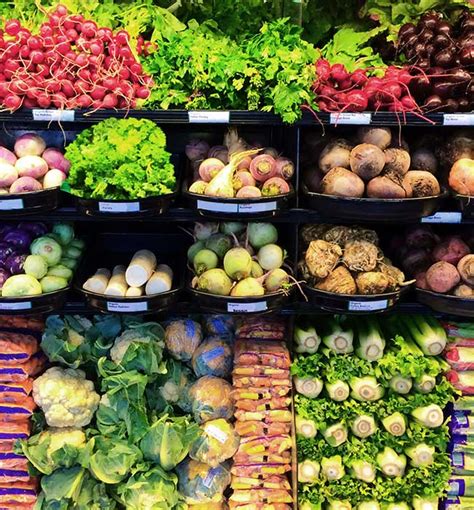
- Root Vegetables: Carrots, parsnips, potatoes, sweet potatoes, beets, and rutabagas offer earthy depth perfect for roasting or braising.
- Apples & Pears: A crisp bite or a sweet-tart complement to savory dishes, ideal for tarts, sauces, or alongside pork.
- Corn: Fresh corn (if late season), hominy, or cornmeal for polenta, cornbread, and fritters.
- Pecans & Walnuts: For textural crunch in salads, toppings for desserts, or even savory crusts.
- Maple & Sorghum: Natural sweeteners that add distinct regional character.
- Game & Hearty Meats: Venison, pork, and poultry often feature in traditional Heartland fare.
Partnering with local farmers not only ensures freshness but also allows you to tell a compelling farm-to-table story, enhancing the authenticity of your dishes.

Mastering Heartland Cooking Techniques
The methods used to prepare these ingredients are just as crucial as the ingredients themselves. Heartland cooking favors techniques that coax out natural flavors and create comforting textures.
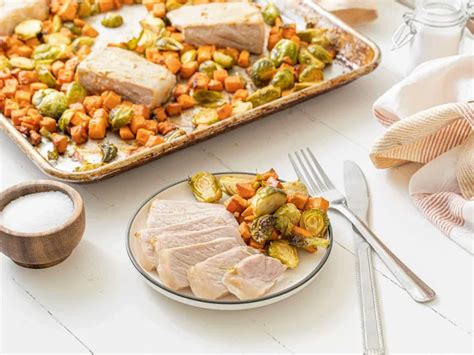
- Roasting: Bring out the natural sweetness of root vegetables, squash, and fruits. A simple roast with herbs and a touch of fat can be incredibly flavorful.
- Braising & Slow Cooking: Ideal for tougher cuts of meat and hearty vegetables, resulting in fork-tender textures and rich, deep flavors from long, gentle cooking. Think pot roasts, stews, and chili.
- Baking: From rustic fruit crumbles and pies to savory casseroles and cornbread, baking encapsulates the warmth and communal spirit of Heartland dining.
- Preserving & Fermenting: Historically, families preserved the harvest. Incorporate elements like homemade apple butter, pickled vegetables, or fruit chutneys to add a unique, tangy dimension.

Crafting Iconic Dishes with a Twist
While authenticity is key, innovation keeps a menu exciting. Take classic Heartland dishes and elevate them with thoughtful execution and presentation:
- Squash Soup: Instead of a basic butternut, try a roasted acorn squash soup with smoked paprika and a candied pecan garnish.
- Pot Pie: Beyond chicken, consider a braised short rib or wild mushroom pot pie with a flaky, herb-infused crust.
- Apple Dessert: Move past simple pie to an apple-cranberry crisp with an oat-pecan streusel, served warm with maple-bourbon ice cream.
- Cornbread: Offer savory cornbread muffins with cheddar and jalapeño, or a sweet cornbread pudding with local berries.
- Hearty Mains: Think pork loin stuffed with apples and sage, or venison chili served with artisanal cornbread.
These dishes provide familiarity but surprise guests with refined flavors and textures.

The Art of Seasoning and Aromatics
The true magic of Heartland flavor often lies in its subtle yet impactful seasoning. While global spices have their place, focus on herbs and flavorings that complement fall’s bounty naturally:
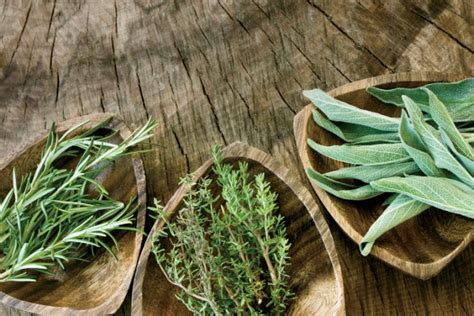
- Herbs: Sage, thyme, rosemary, and marjoram are quintessential fall herbs that pair beautifully with roasted meats and vegetables.
- Spices: Cinnamon, nutmeg, cloves, and allspice are obvious choices for sweet dishes, but consider adding a pinch of smoked paprika, chili powder, or cumin to savory dishes for a warm, earthy undertone.
- Sweeteners & Acids: Maple syrup, sorghum, and apple cider vinegar are regional stars. Use them to balance richness and add brightness.
- Fat: Butter, lard, and rendered animal fats (like bacon drippings) play a significant role in traditional Heartland cooking, adding incredible depth of flavor and richness.
Don’t be afraid to experiment with local craft ciders, beers, or bourbons in marinades, glazes, and sauces for an extra layer of regional character.

Presentation & Storytelling
Finally, how you present your dishes and the story you tell about them can profoundly impact the guest experience. Heartland dining is inherently comforting and generous.
- Rustic Presentation: Think cast iron, wooden boards, earthenware, and generous, family-style portions. Avoid overly fussy plating; embrace natural beauty.
- Warmth & Coziness: Use garnishes like fresh herbs, toasted nuts, or a drizzle of crème fraîche to add visual appeal without sacrificing the rustic charm.
- Tell the Story: Highlight where your ingredients come from. Mention the local farm that provided the squash or the orchard that grew the apples. This narrative connects guests to the source and the seasonal cycle, deepening their appreciation for the “Heartland flavor.”
By thoughtfully integrating these elements, your seasonal specials will not just taste good, but they will tell a story of tradition, bounty, and the comforting spirit of the fall harvest.