




How to boost Midwest casserole flavor beyond canned soup?

Midwest casseroles hold a cherished place in the heart of American comfort food. They’re warm, hearty, and often a staple at potlucks and family dinners. However, the traditional reliance on canned cream soups, while convenient, can sometimes lead to a one-note, slightly flat flavor profile. It’s time to elevate these beloved dishes, injecting them with vibrant, complex tastes that will truly impress. Forget the shortcuts for a moment and discover how simple shifts can transform your casseroles from good to absolutely glorious.
Building a Better Base: Beyond the Can
The foundation of any great casserole is its sauce. Canned soups provide a quick creamy texture, but they lack depth and often contain high sodium and artificial flavors. Crafting your own base from scratch is surprisingly simple and makes a world of difference.
Homemade Cream Sauces
- Béchamel Sauce: A classic white sauce made from a roux (butter and flour cooked together) and milk. Season with salt, white pepper, and a pinch of nutmeg for a rich, versatile base perfect for chicken and tuna casseroles.
- Velouté Sauce: Similar to béchamel but using chicken, vegetable, or mushroom stock instead of milk. This offers a lighter yet still creamy texture with a savory depth.
- Roux-Thickened Gravy: For meatier casseroles, brown some aromatics, deglaze with broth or wine, then thicken with a roux. This builds layers of flavor directly into your sauce.

Aromatics and Umami: The Flavor Powerhouses
Don’t underestimate the power of starting with a strong aromatic foundation and incorporating ingredients that add a punch of umami, the savory fifth taste.
- Sautéed Aromatics: Always start by sautéing chopped onions, celery, and carrots (a mirepoix) or garlic in butter or oil until softened and fragrant. This builds a foundational layer of sweetness and savory depth.
- Tomato Paste: A spoonful of tomato paste, cooked down slightly with your aromatics, adds concentrated umami and a subtle tang that enriches many dishes without making them taste overtly tomato-y.
- Worcestershire Sauce & Soy Sauce: A dash or two of these savory powerhouses can deepen the overall flavor profile without being detectable as individual ingredients. They’re excellent in beef or mushroom-based casseroles.
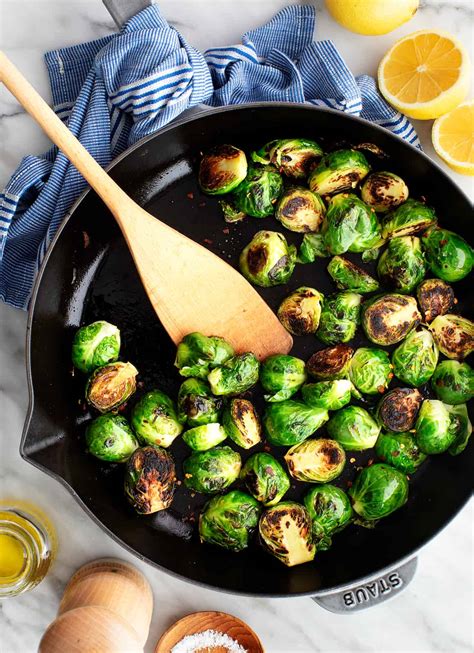
- Mushrooms: Sautéed fresh mushrooms (cremini, shiitake) add earthy umami, especially when browned well.
Herbs, Spices, and Acidity: Brightening and Balancing
Proper seasoning is key to moving beyond bland. Fresh herbs, carefully chosen spices, and a touch of acidity can lift and balance flavors.
- Fresh Herbs: Incorporate fresh herbs like thyme, rosemary, sage, parsley, or chives. Add heartier herbs (thyme, rosemary) early in the cooking process and more delicate ones (parsley, chives) at the end.
- Spice Blends: Don’t be afraid to use spices like smoked paprika, garlic powder, onion powder, mustard powder, a pinch of cayenne for subtle heat, or even a touch of nutmeg in creamy dishes.
- A Touch of Acid: A squeeze of lemon juice, a splash of white wine, or even a tiny amount of apple cider vinegar can brighten the entire casserole, cutting through richness and making other flavors pop. Add this towards the end of cooking or just before baking.
Cheese Choices and Topping Triumphs
While cheese is a staple in many casseroles, upgrading your cheese game and rethinking your toppings can provide incredible textural and flavor contrasts.
Elevated Cheese Selections
- Beyond Cheddar: While cheddar is great, explore options like Gruyère for nutty complexity, Fontina for meltiness, provolone for mild tang, or even a mix of Parmesan and mozzarella for a savory crust.
- Layering Cheeses: Use a sharper cheese within the casserole mix and a milder, meltier one on top for varying textures and flavors.
Crunchy, Flavorful Toppings
- Homemade Breadcrumbs: Toast breadcrumbs (panko or regular) in butter with garlic powder and herbs until golden brown and crispy. Far superior to store-bought fried onions.
- Crushed Crackers: Mix crushed butter crackers (like Ritz) with melted butter for a savory, salty crust.
- Crispy Fried Onions (Homemade): Thinly slice onions, dredge in seasoned flour, and deep-fry until golden.
- Nuts or Seeds: Toasted pecans, walnuts, or even sunflower seeds can add an unexpected crunch and richness.
- Bacon Bits (Real Ones): Crumble freshly cooked bacon over the top just before serving for incredible smoky flavor and crunch.

Cooking Techniques and Quality Ingredients
Beyond the ingredients themselves, how you prepare them makes a significant difference.
- Sear Your Meats: If using ground beef, chicken, or pork, sear it well before adding to the casserole. This caramelization creates deep, rich flavors (Maillard reaction) that cannot be replicated.
- Roast Vegetables: Instead of boiling or steaming, roast vegetables like broccoli, cauliflower, or potatoes before adding them to the casserole. Roasting brings out their natural sweetness and adds another layer of flavor.
- Good Quality Broth/Stock: Invest in high-quality chicken, beef, or vegetable broth, or even better, make your own. The difference in depth of flavor is immense compared to water or low-quality options.
By incorporating just a few of these techniques and ingredients, you can transform your Midwest casseroles from simple comfort food to culinary masterpieces. It’s about building layers of flavor, balancing richness with acidity, and embracing the joy of cooking from scratch. Your taste buds, and your family, will thank you for it.