

How to bake a reliably flaky, golden pie crust for hearty fruit fillings?
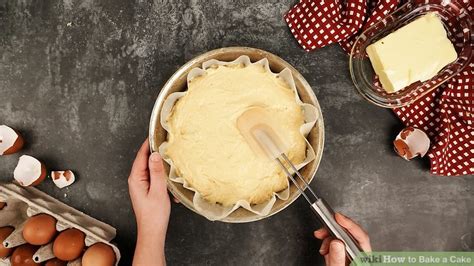
A truly great fruit pie isn’t just about the filling; it’s anchored by a spectacular crust. Achieving that coveted flaky texture and a rich, golden hue can seem daunting, but with the right techniques and a little patience, it’s entirely within reach for home bakers. This guide will demystify the process, ensuring your next fruit pie is a showstopper from crust to core.
The Foundation: Quality Ingredients and Cold Temperatures
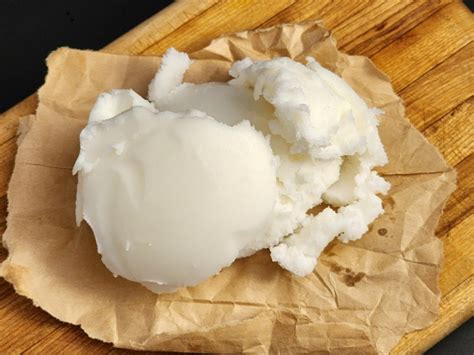
The secret to a flaky crust begins before you even touch a mixing bowl. Quality ingredients are paramount. Use unbleached all-purpose flour for a tender crumb, and high-quality unsalted butter for superior flavor and flakiness. Some bakers prefer a blend of butter and shortening for added workability and tenderness; experimentation is key to finding your preference.
Crucially, all your ingredients—especially the butter and water—must be as cold as possible. Cold butter creates steam pockets during baking, which is what gives pie crust its signature flaky layers. Iced water helps keep the butter firm and prevents the dough from becoming tough.

The Method: Cutting in Fat and Mindful Mixing
The way you incorporate the fat is critical. Cut your cold butter into small cubes, then use a pastry blender, your fingertips, or a food processor to cut it into the flour mixture. The goal is to have varying sizes of butter pieces, from pea-sized to small lentil-sized. These pockets of butter will melt in the oven, releasing steam and creating those desirable flaky layers.
When adding the iced water, do so sparingly, one tablespoon at a time, mixing until just combined. The dough should come together but still look shaggy. Overmixing develops gluten, leading to a tough crust. Stop mixing as soon as the dough forms a cohesive ball.

Resting, Rolling, and Refrigerating
Once your dough is formed, divide it into two discs (for a double-crust pie) or one (for a single crust), wrap them tightly in plastic, and refrigerate for at least 30 minutes, or preferably an hour or more. This resting period allows the gluten to relax, making the dough easier to roll out, and further chills the butter.
When it’s time to roll, work quickly on a lightly floured surface. Roll from the center outwards, rotating the dough frequently to prevent sticking. Aim for an even thickness, usually about 1/8 inch. Once rolled, carefully transfer it to your pie plate.
Blind Baking for Success (and a Golden Hue)
For pies with very wet fillings or those that don’t bake long (like custard pies), blind baking (or par-baking) your crust is often recommended. This prevents a soggy bottom. Line the crust with parchment paper and fill with pie weights, dried beans, or rice. Bake until the edges are set and lightly golden, then remove the weights and continue baking for a few more minutes until the bottom is dry and pale. For fruit pies, you might skip this step or opt for a partial blind bake.
Achieving that Golden Finish and Preventing Browning
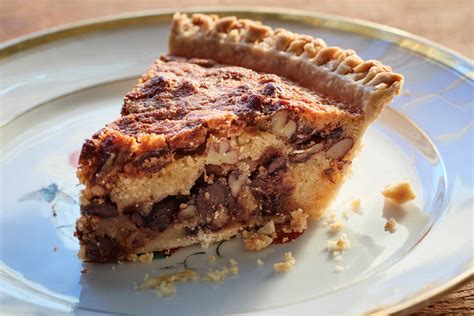
To get that beautiful golden-brown crust, an egg wash is your best friend. Whisk one egg with a tablespoon of water or milk and brush it over the top crust before baking. For a sparkling finish, you can also sprinkle a little coarse sugar on top.
During baking, if you notice the edges of your pie crust browning too quickly, use a pie shield or loosely tent aluminum foil around the edges. This protects the delicate crust from over-browning while the filling cooks through.
Tips for a Reliably Flaky Crust:
- Keep everything cold: This is the golden rule.
- Don’t overmix: Work the dough as little as possible.
- Use just enough water: Too much makes it tough; too little makes it crumbly.
- Rest the dough: Always refrigerate before rolling.
- Practice makes perfect: Don’t be discouraged by your first attempt.
With these techniques, you’re well-equipped to bake a reliably flaky, golden pie crust that will perfectly complement any hearty fruit filling, turning your homemade pies into legendary desserts. Enjoy the process, and savor the delicious results!