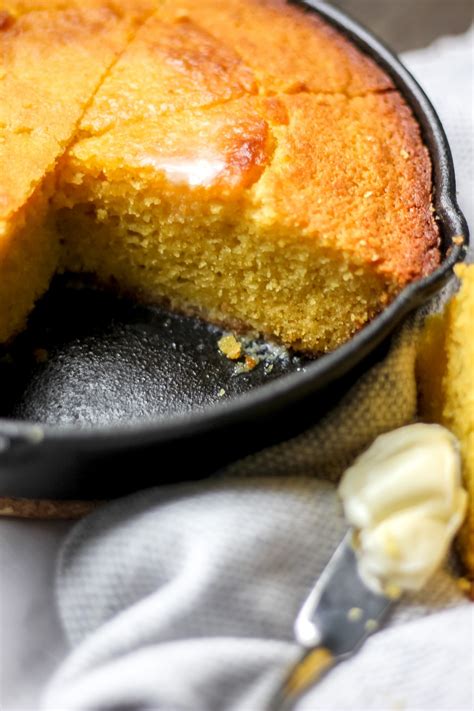


How to bake a perfectly moist, crumbly cornbread every time for true Heartland flavor?
The Enduring Charm of Heartland Cornbread
There’s something uniquely comforting about a slice of perfectly baked cornbread. It’s a staple in kitchens across the American Heartland, cherished for its rustic simplicity and comforting flavor. But achieving that ideal balance—moist on the inside, beautifully crumbly on the outside, and brimming with authentic taste—can sometimes feel like a culinary quest. Fear not, home bakers! We’re here to unlock the secrets to consistently baking a cornbread that will transport you straight to a farmhouse kitchen, every single time.

Essential Ingredients for Authenticity and Texture
The foundation of great cornbread lies in its ingredients. While simple, each plays a crucial role in achieving that desired Heartland character.
1. The Right Cornmeal
Opt for a good quality, medium-grind yellow cornmeal. Stone-ground is often preferred for its robust flavor and slightly coarser texture, contributing to that delightful crumbly feel. Avoid overly fine cornmeal, which can result in a cake-like texture, and don’t confuse it with corn flour.
2. Buttermilk is Non-Negotiable
Buttermilk is the secret weapon for moisture and tenderness. Its acidity reacts with baking soda to create a light, airy crumb, while its tang adds a depth of flavor that plain milk simply can’t replicate. If you don’t have buttermilk, you can make a substitute by adding a tablespoon of lemon juice or white vinegar to regular milk and letting it sit for 5-10 minutes.
3. The Power of Fat
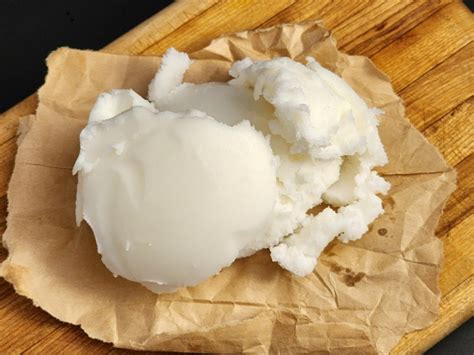
For true Heartland flavor, nothing beats a generous helping of bacon grease. It imparts a savory richness that elevates the cornbread significantly. If bacon grease isn’t available or preferred, unsalted butter is an excellent substitute, melted and incorporated into the batter, and also used to grease the pan.
4. Leavening Agents and Sweetener (Optional)
Baking soda (activated by buttermilk) and baking powder work together to give the cornbread its lift. A touch of sugar is sometimes added, especially in Southern variations, to balance the savory notes. For a truly rustic, less sweet cornbread, you can reduce or omit the sugar.
Mastering the Method: Mixing and Baking
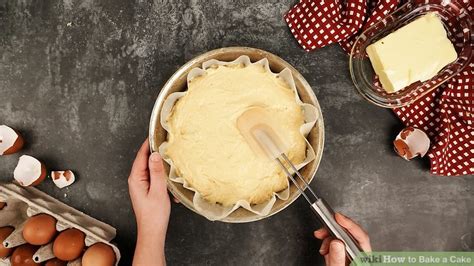
Once you have your ingredients, the technique for mixing and baking is just as vital.
1. The Cast Iron Skillet Advantage
A well-seasoned cast iron skillet is the traditional vessel for cornbread, and for good reason. It retains heat exceptionally well, ensuring a crispy, golden-brown crust. Preheat your skillet in the oven with a generous amount of fat (bacon grease or butter) while the oven preheats. This hot start is key to preventing sticking and achieving that enviable crust.
2. Don’t Overmix
Combine your wet and dry ingredients just until moistened. Overmixing develops the gluten in the flour (if using a small amount, or even in the cornmeal), leading to a tough, dense cornbread rather than a tender, crumbly one. Lumps are perfectly fine—even desirable.
3. Hot Oven, Quick Bake
Cornbread bakes best at a relatively high temperature (around 400-425°F or 200-220°C). The high heat helps set the crust quickly and allows the leavening agents to work efficiently. Bake until a toothpick inserted into the center comes out clean and the top is golden brown, typically 20-25 minutes depending on your oven and skillet size.

Secrets to Unrivaled Moisture and Crumb
Even with the right ingredients and technique, a few extra tips can guarantee consistent perfection.
- Don’t Overbake: The enemy of moist cornbread is overbaking. Start checking for doneness a few minutes before the recipe suggests. It should be golden, firm to the touch, and a toothpick should come out clean.
- Grease Generously: A well-greased, preheated pan not only prevents sticking but also contributes to that irresistible crispy crust.
- Rest Before Slicing: Let your cornbread cool in the skillet for 5-10 minutes before inverting it onto a cooling rack or slicing. This allows it to set up and prevents it from crumbling excessively.
- Consider a Cornmeal Soak: For an even more tender crumb, some traditional recipes suggest soaking the cornmeal in hot buttermilk or water for 15-30 minutes before mixing the rest of the ingredients. This softens the grains.

Enjoying Your Heartland Masterpiece
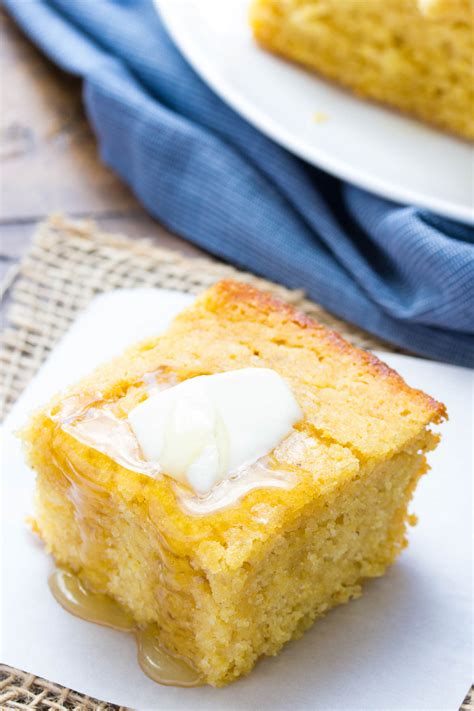
Once your perfectly moist and crumbly cornbread is out of the oven, the real fun begins. Serve it warm with a generous pat of butter, a drizzle of honey, or alongside hearty chili, stew, or collard greens. It’s also fantastic crumbled into a bowl of beans or used for stuffing at Thanksgiving. Every bite will be a testament to classic Heartland flavor, proving that simple ingredients and careful technique can yield extraordinary results.
With these tips and tricks, you’re now equipped to bake a cornbread that’s consistently moist, beautifully crumbly, and bursting with authentic flavor. Get ready to impress your family and friends with this timeless comfort food!