




How to avoid soggy pie crusts? Get that flaky, buttery bottom, Heartland style!

The Dreaded Soggy Bottom: A Baker’s Nemesis
There’s nothing quite as disheartening as pulling a beautifully golden pie from the oven, only to discover a disappointing, undercooked, and soggy bottom crust. It’s a common affliction that plagues even experienced bakers, turning an otherwise delightful dessert into a textural letdown. But fear not, aspiring pie perfectionists! Achieving that coveted flaky, buttery base, reminiscent of a comforting Heartland kitchen, is entirely within reach with a few tried-and-true methods.
The culprit behind a soggy crust is almost always moisture. Whether it’s from a wet filling, steam trapped during baking, or simply an insufficiently baked crust, moisture is the enemy of crispiness. Understanding how to combat it is the first step towards pie supremacy.
The Cornerstone: Blind Baking Your Crust
The most crucial step in preventing a soggy bottom, especially for custard, fruit, or quiche pies, is blind baking or pre-baking your crust. This process sets the dough and creates a barrier against the moisture from your filling.
Steps for Perfect Blind Baking:
- Chill Thoroughly: After placing your pie dough into the pan and crimping the edges, chill it in the refrigerator for at least 30 minutes, or even better, an hour. This helps the butter firm up and prevents shrinkage.
- Prick the Bottom: Lightly prick the bottom of the crust with a fork. This allows steam to escape, preventing large bubbles.
- Line and Weigh Down: Line the chilled crust with parchment paper or aluminum foil, pressing it gently into the corners. Fill the lining with pie weights, dried beans, or rice. These weights prevent the crust from puffing up and hold its shape.
- Bake Hot: Bake in a preheated oven (usually 400-425°F / 200-220°C) for 15-20 minutes with the weights.
- Remove Weights, Continue Baking: Carefully remove the weights and lining. Return the crust to the oven for another 5-10 minutes, or until the bottom is lightly golden and appears dry. For a completely pre-baked crust (for no-bake fillings), continue baking until deeply golden.
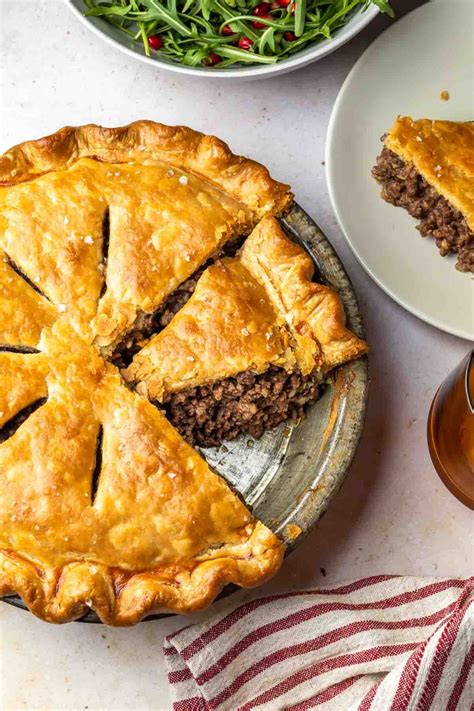
Beyond Blind Baking: Smart Strategies for Success
While blind baking is paramount, several other techniques contribute to that perfect, flaky result that embodies Heartland baking.
1. The Right Fat and Coldness:
Use high-quality butter, shortening, or a combination, and ensure all your ingredients, especially the fat and water, are ice-cold. Cold fat creates steam pockets during baking, resulting in a flaky texture. Don’t overwork the dough; visible bits of butter are desirable.
2. Hot Oven, Quick Start:
Always place your pie into a preheated, hot oven. The initial burst of heat helps to set the crust quickly before the filling has a chance to seep in too much. Some recipes even recommend starting at a higher temperature and then reducing it.
3. Create a Moisture Barrier:
For fruit pies, consider brushing the blind-baked crust with a thin layer of egg white, melted butter, or even a sprinkle of dry breadcrumbs, crushed cornflakes, or graham cracker crumbs before adding the filling. This extra layer acts as a shield against the fruit juices.

4. Ventilate Your Fillings:
If you’re making a double-crust pie, always cut vents into the top crust. This allows steam from the filling to escape, preventing it from accumulating and turning your bottom crust mushy.
5. The Power of Your Pie Plate:
Glass pie plates conduct heat more evenly and allow you to see the bottom crust, so you can tell if it’s sufficiently browned. Metal pie plates also work well, especially for quick heat transfer, but ceramic can sometimes insulate too much, potentially contributing to a pale bottom. Avoid disposable aluminum pans for important pies.

The Heartland Approach: Patience and Quality
In the Heartland, good baking is often about simplicity, quality ingredients, and patience. Don’t rush the chilling process for your dough, use good butter, and don’t skip the blind baking. These aren’t just extra steps; they are fundamental practices that ensure a superior result.
Embrace the process, enjoy the aroma, and know that each pie you bake is a step closer to mastering that coveted, perfectly flaky, buttery bottom crust. With these tips in your arsenal, soggy pie crusts will become a distant, unpleasant memory.

Conclusion: A Flaky Future Awaits
Avoiding a soggy pie crust is a skill that comes with practice and attention to detail. By consistently employing blind baking, keeping your ingredients cold, and utilizing smart moisture barriers, you’ll be well on your way to crafting pies that are a testament to your baking prowess. Get ready to impress with pies boasting bottoms as crisp and golden as their tops!