



How do you achieve moist, never-dry Midwest meatloaf with big flavor?

Midwest meatloaf is a quintessential comfort food, a hearty centerpiece that evokes warmth and nostalgia. However, its reputation can sometimes be marred by the all-too-common pitfall: dryness. Achieving a meatloaf that’s both supremely moist and bursting with robust flavor requires more than just mixing ingredients; it’s about understanding the science and art behind a truly great loaf. Let’s delve into the secrets that transform a potentially bland, dry slab into a succulent, flavor-packed masterpiece.
The Foundation of Moisture: Ingredient Selection and Ratios
The journey to a moist meatloaf begins with your choice of ground meat. Opt for a blend that has a good fat content, ideally 80/20 ground chuck. Leaner meats will inevitably lead to a drier result. The fat renders during cooking, keeping the loaf tender and juicy. Beyond the meat, the binder plays a crucial role. Instead of dry breadcrumbs, create a panade by soaking bread (like white sandwich bread or stale sourdough) in milk, cream, or even beef broth. This mixture introduces significant moisture and helps keep the meat proteins from tightening too much.
Incorporating finely diced, sautéed vegetables like onions, celery, and bell peppers not only adds flavor but also moisture. Sautéing them first softens them and releases their moisture, preventing them from making the meatloaf watery or crunchy. Eggs act as a binder, but too many can make the meatloaf tough; typically, one or two per pound of meat is sufficient.
Building Layers of Robust Flavor
A truly memorable meatloaf isn’t just moist; it’s deeply flavorful. This is achieved by building layers of taste. Don’t shy away from strong, savory elements. Worcestershire sauce is a classic for a reason, adding umami depth. Dijon mustard can provide a subtle tang, while a generous amount of garlic powder, onion powder, smoked paprika, and freshly cracked black pepper are essential. Fresh herbs like parsley or thyme can brighten the profile, but use them judiciously.
Consider sautéing your aromatics (onions, garlic) with a touch of butter or oil before adding them to the meat mixture. This softens them and allows their flavors to meld beautifully, preventing raw onion harshness.
The Irresistible Glaze: More Than Just Topping
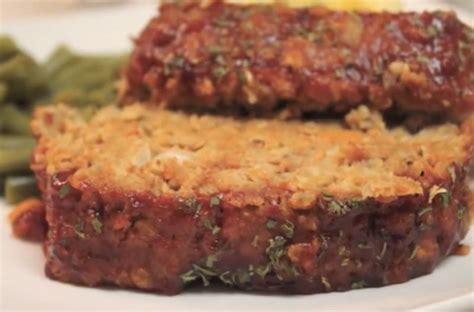
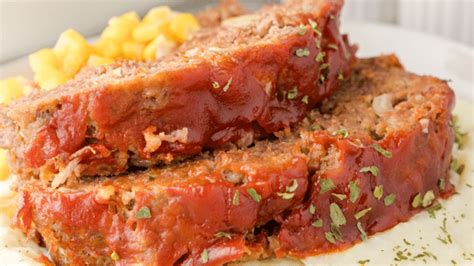
The glaze is often seen as mere decoration, but in a Midwest meatloaf, it’s integral to both flavor and moisture. A classic ketchup-based glaze, enriched with a touch of brown sugar, apple cider vinegar, and perhaps a dash of hot sauce, creates a caramelized, tangy crust that seals in moisture and adds a burst of flavor with every bite. Apply the glaze about halfway through cooking or in the last 20-30 minutes to prevent it from burning.
Mastering the Cooking Technique for Optimal Tenderness
Overmixing is a common culprit for dry, tough meatloaf. Mix the ingredients until just combined; vigorous mixing develops the meat proteins, leading to a dense texture. Form your loaf gently. Baking temperature is also key. While some recipes call for high heat, a moderate oven (around 350-375°F or 175-190°C) allows the meatloaf to cook through evenly without drying out the exterior too quickly. Baking it on a rack in a pan allows fat to drip away, preventing the bottom from getting greasy, while keeping the interior moist.
Perhaps the most overlooked step is resting. Once the meatloaf reaches an internal temperature of 160°F (71°C), remove it from the oven and let it rest, covered loosely with foil, for at least 10-15 minutes before slicing. This allows the juices to redistribute throughout the loaf, resulting in a significantly moister slice.
Elevating Your Meatloaf: Variations and Serving
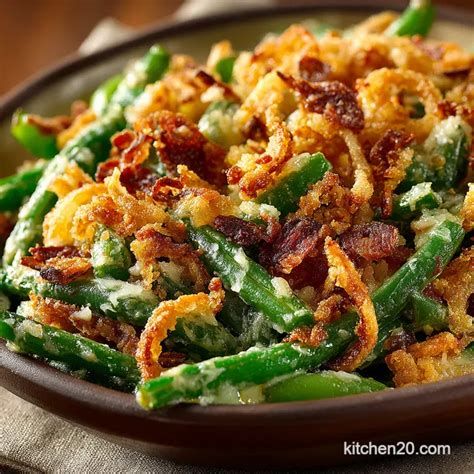
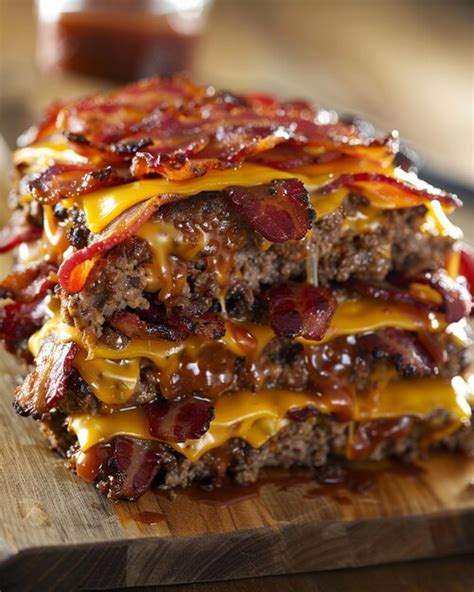
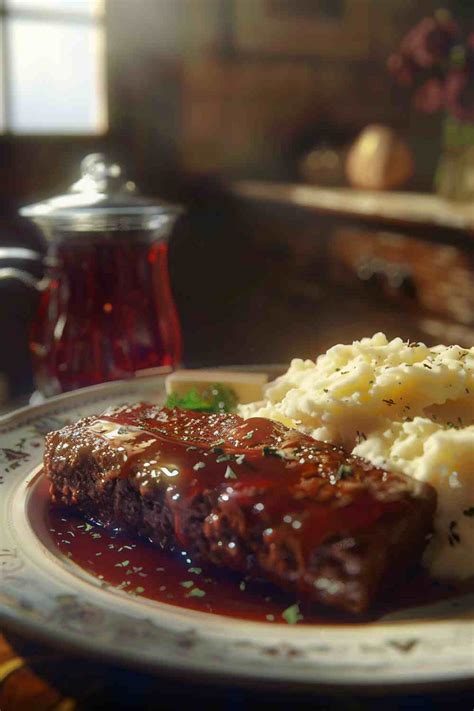
While the classic is king, don’t hesitate to experiment. A layer of cheese (cheddar, provolone) in the middle can add another dimension of moisture and flavor. Wrapping the loaf in bacon before baking contributes fat, flavor, and a crispy exterior. Serve your magnificent meatloaf with classic Midwest sides: creamy mashed potatoes, green bean casserole, or buttered corn. The rich, savory juices released during carving are perfect to spoon over the potatoes.
Achieving a moist, big-flavor Midwest meatloaf is entirely within reach. By focusing on quality ingredients, understanding the role of binders and aromatics, perfecting your glaze, and mastering simple cooking and resting techniques, you can transform this humble dish into an unforgettable culinary experience. Say goodbye to dry, bland meatloaf and hello to a new standard of comfort food excellence.