





How do I prevent watery hotdish casseroles for ultimate Heartland flavor?

Unveiling the Mystery of Mushy Hotdish
Hotdish, the beloved casserole of the American Midwest, embodies comfort, heartiness, and community. A staple at potlucks, family dinners, and church gatherings, a perfect hotdish boasts a creamy, flavorful filling and a golden, often crispy, topping. However, many home cooks have encountered the dreaded watery hotdish—a soupy, flavor-diluted disappointment that can undermine the best intentions. If you’ve ever wondered how to banish excess moisture and achieve that ultimate, rich Heartland flavor, you’re in the right place. Let’s dive into the common culprits and foolproof strategies to keep your casseroles perfectly cohesive and delicious.
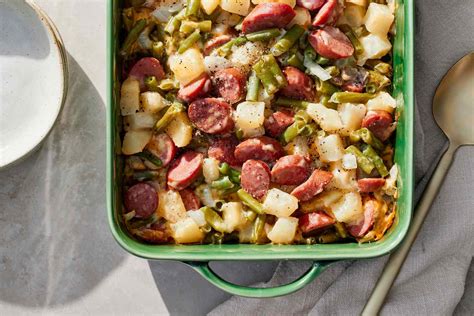
Understanding the Culprits: Where Does the Water Come From?
The primary source of unwanted moisture in hotdish often stems from high-water content ingredients releasing their liquids during the baking process. Vegetables like mushrooms, onions, bell peppers, and especially frozen vegetables (peas, corn, mixed veggies) are notorious for this. When heated, their cellular structures break down, expelling significant amounts of water. Additionally, sometimes the base sauce itself might be too thin, or ingredients haven’t been properly drained, contributing to a watery end product.
Pre-Cook and Prep Smart for a Drier Foundation
Sauté Your Veggies
This is perhaps the most crucial step. Instead of tossing raw, high-moisture vegetables directly into your hotdish, take a few minutes to sauté them first. Sautéing onions, mushrooms, and bell peppers in a skillet over medium-high heat allows much of their inherent water to evaporate before they even hit the casserole dish. This not only prevents sogginess but also concentrates their flavors, adding depth to your final dish.
Thaw and Drain Frozen Ingredients
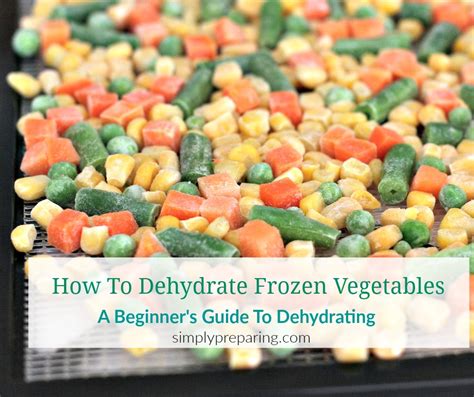
Frozen vegetables are incredibly convenient, but they carry a lot of ice crystals and water. Always thaw frozen vegetables like peas, corn, or mixed blends completely before adding them to your hotdish. Once thawed, press them gently with a paper towel or squeeze them in a clean kitchen towel to remove as much excess moisture as possible. This simple step makes a world of difference.
Brown Your Meat Properly
While not a direct source of wateriness, browning ground beef or sausage thoroughly and draining off any rendered fat is essential. Excess fat can separate and create an oily layer, contributing to an overall unappetizing texture rather than a creamy one. Ensure your meat is cooked through and well-drained before mixing it with other ingredients.
Mastering Your Sauce: The Heart of Your Hotdish
The sauce is the binding agent that holds your hotdish together, and its consistency is key. A thin sauce will inevitably lead to a watery casserole. Many traditional hotdish recipes rely on canned cream soups, which are often thick enough. However, if you’re making a sauce from scratch or find your soup base a bit too thin, consider these thickening methods:
The Roux Method
A classic roux (equal parts fat and flour cooked together) is an excellent way to create a stable, thick sauce. After cooking your meat, you can often use a tablespoon or two of the rendered fat (or add butter) to make a roux, then whisk in milk or broth to form a béchamel-like base. Cook until it thickens before combining with other ingredients.
Cornstarch or Flour Slurry
If your sauce is already assembled and seems too thin, a slurry of cornstarch (or flour) and cold water can save the day. Mix a tablespoon of cornstarch with an equal amount of cold water until smooth, then slowly whisk it into your simmering sauce. Cook for a few minutes until thickened. Remember that cornstarch provides a clearer finish, while flour gives a more opaque one.
Baking for Perfection and Resting for Success
Don’t Overcrowd the Dish
Choose an appropriately sized casserole dish. Overfilling can lead to steam buildup and uneven cooking, contributing to a wetter result. Give your hotdish room to breathe and bake evenly.
Bake at the Right Temperature and Time
Follow your recipe’s temperature and baking time guidelines closely. Often, hotdishes are baked uncovered for the last portion of the cooking time to allow excess moisture to evaporate and the topping to crisp up. If your hotdish still looks too wet towards the end, extend the baking time slightly, keeping an eye on the topping to prevent burning.

The Golden Rule: Rest Your Hotdish
Just like a roast, a hotdish benefits immensely from resting after it comes out of the oven. Letting it sit for 10-15 minutes allows the liquids to redistribute and the sauce to set further. This crucial step prevents the immediate gush of liquid when you first scoop it out and ensures a firmer, more satisfying consistency.
Beyond the Basics: A Few More Tips
- Use fewer high-moisture ingredients: If you’re consistently getting watery results, consider reducing the amount of very watery vegetables you’re adding.
- Add absorbent ingredients: Some cooks add a small amount of breadcrumbs or crushed crackers to the filling (especially if it includes canned soup) to absorb extra moisture.
- Cool ingredients before combining: Adding hot ingredients to a cold sauce or vice-versa can sometimes impact consistency. Let cooked components cool slightly before mixing.

Enjoy Your Perfectly Cohesive Hotdish!
Preventing a watery hotdish is a culinary puzzle easily solved with a few strategic adjustments. By understanding where excess moisture originates and implementing smart pre-cooking, thickening, and baking techniques, you can ensure every scoop of your Heartland casserole is perfectly creamy, flavorful, and wonderfully satisfying. Embrace these tips and elevate your hotdish game to new, dry (but not dry!) heights!