Flaky, not soggy, apple pie crust tips?
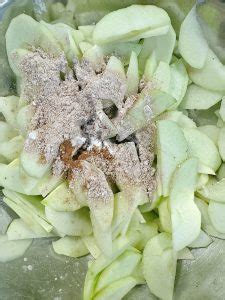
A perfect apple pie isn’t just about the sweet, spiced fruit filling; it’s about the glorious, golden-brown crust that shatters with every bite. The nemesis of any pie maker is the dreaded soggy bottom, especially with a juicy fruit like apples. But fear not, achieving a flaky, sturdy crust is entirely within your reach with a few tried-and-true techniques.
The Foundation: Keep Everything Chilled
The golden rule for flaky pie crust is cold, cold, cold. This applies to your butter or shortening, water, and even your mixing bowl and hands. Cold fat creates steam pockets in the oven, which is what gives pie crust its signature layers. If your fat melts before baking, you’ll end up with a tough, dense, or greasy crust.
Use ice-cold water (you can even add a few ice cubes to a measuring cup) and chill your butter or shortening thoroughly before starting. Cut the fat into small cubes and even pop them in the freezer for 10-15 minutes before incorporating them into the flour. Work quickly to minimize heat transfer from your hands.

The Right Fat for Flakiness
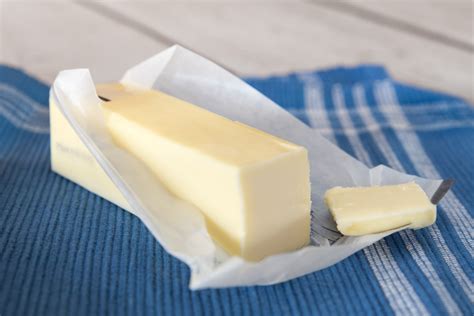
The type of fat you use significantly impacts texture. Butter delivers incredible flavor but has a lower melting point, making it trickier to keep cold. Shortening, on the other hand, is 100% fat and has a higher melting point, yielding a super flaky and tender crust.
Many bakers swear by a 50/50 blend of butter and shortening. This combination gives you the best of both worlds: the rich flavor of butter and the superior flakiness and ease of handling from shortening. Make sure your fat pieces are pea-sized when mixed into the flour.
Don’t Overwork the Dough
Gluten development is your enemy when it comes to tender pie crust. Overmixing or overworking the dough develops gluten, leading to a tough, chewy texture rather than a tender, flaky one. Mix just until the ingredients are combined and the dough barely comes together.
Once the dough is formed, resist the urge to knead it excessively. Gently bring it into a disc shape, wrap it tightly in plastic wrap, and refrigerate it for at least 30 minutes, or preferably an hour or two. This resting period allows the gluten to relax, making the dough easier to roll and ensuring a more tender result.
The Blind Baking Advantage: Preventing Soggy Bottoms
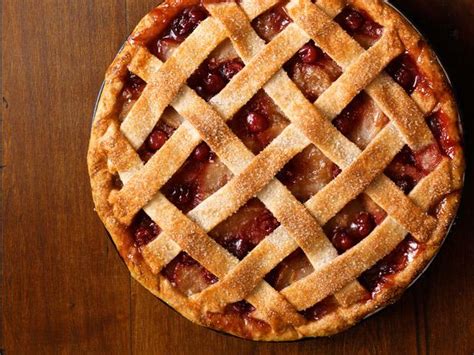
For fruit pies with juicy fillings like apples, blind baking (or pre-baking) the bottom crust is often the secret weapon against sogginess. This involves partially baking the crust before adding the filling.
To blind bake, roll out your bottom crust, fit it into the pie plate, crimp the edges, and then prick the bottom all over with a fork. Line the crust with parchment paper and fill with pie weights, dried beans, or rice. Bake in a hot oven (around 400°F/200°C) for 15-20 minutes, then remove the weights and parchment and continue baking for another 5-10 minutes until lightly golden. This creates a barrier against the filling’s moisture.

Managing Apple Moisture
Apples release a lot of liquid during baking, which is a primary culprit for soggy bottoms. To combat this, choose firmer apple varieties (like Granny Smith, Honeycrisp, or Braeburn) that hold their shape better.
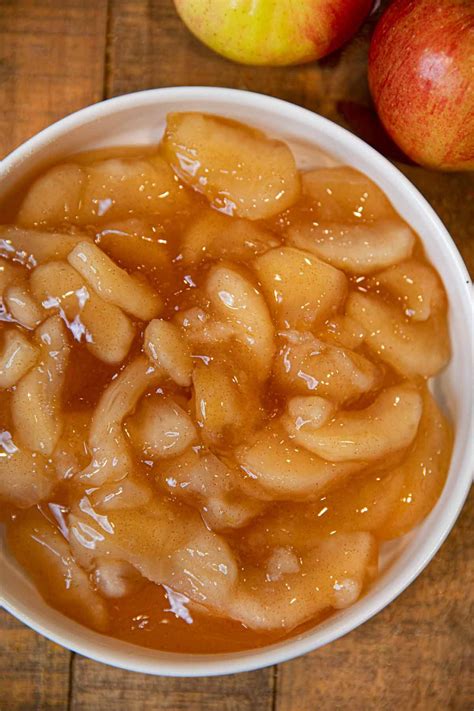
You can also pre-cook your apples slightly to reduce their moisture content before filling the pie, or mix the sliced apples with a thickener like flour, cornstarch, or tapioca starch. Some recipes even suggest macerating the apples with sugar first, draining the excess liquid, and then reducing that liquid to make a glaze to add back.
Bake Hot, Then Adjust
Start your pie in a hot oven (around 425°F/220°C) for the first 15-20 minutes. This initial burst of heat helps set the crust quickly and encourages the fat to steam, creating flakiness. After this initial period, reduce the oven temperature to 375°F/190°C and continue baking until the filling is bubbly and the crust is deeply golden brown.
Don’t be afraid to use a pie shield or aluminum foil around the edges if they’re browning too quickly. A properly baked crust should be golden all over, indicating it’s cooked through and moisture has evaporated.
Conclusion
Achieving a flaky, non-soggy apple pie crust is a culinary art form built on a few fundamental principles. By keeping ingredients cold, using the right fat, handling the dough gently, considering blind baking, managing apple moisture, and baking at the correct temperatures, you’ll be well on your way to earning rave reviews for your pies. Happy baking!