


Achieve tender, big-flavor Midwest pot roast; avoid dryness?
The Heartwarming Appeal of Midwest Pot Roast
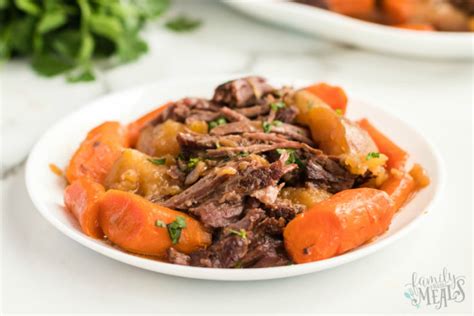
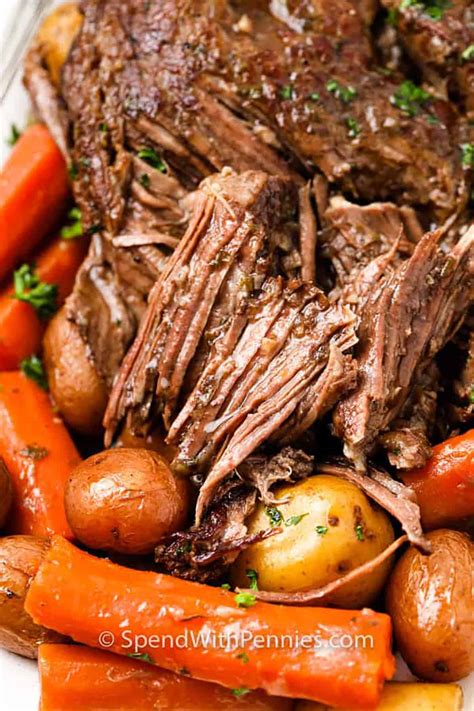
There’s something uniquely comforting about a classic Midwest pot roast. It’s a dish synonymous with Sunday dinners, family gatherings, and the cozy embrace of home. The ideal pot roast boasts fork-tender meat, rich gravy, and vegetables infused with incredible flavor. However, many home cooks grapple with the challenge of achieving this perfection, often ending up with dry, tough beef. Fear not, for mastering the tender, big-flavor pot roast is entirely within reach with a few key techniques.
The journey to an unforgettable pot roast begins long before it hits the oven. It starts with understanding the right cut of meat, the power of searing, and the magic of a slow, moist cooking environment.
Choosing the Right Cut for Tenderness
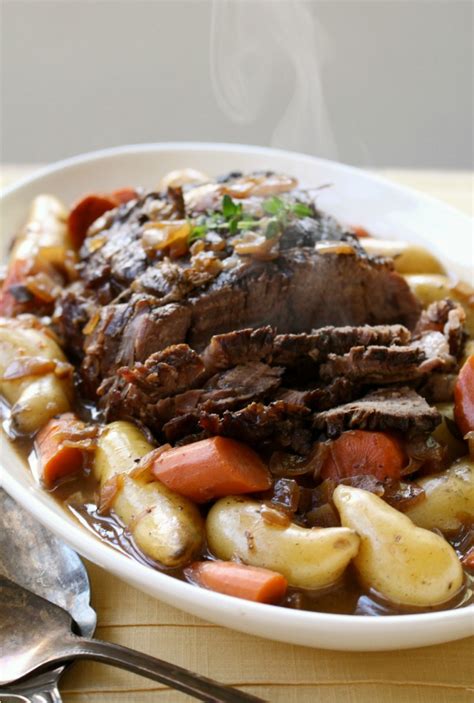
The foundation of a tender pot roast is selecting the appropriate cut of beef. Forget leaner cuts; for pot roast, you want something with connective tissue that breaks down during slow cooking, rendering it gelatinous and rich. The best candidates include:
- Chuck Roast: This is the undisputed champion for pot roast. It’s well-marbled, affordable, and full of connective tissue that transforms into melt-in-your-mouth tenderness.
- Brisket: While often smoked, brisket (especially the flat cut) can also make a fantastic pot roast, though it requires careful management to prevent dryness.
- Round Roast (Bottom or Top Round): Leaner than chuck, these cuts benefit from even longer, slower cooking and more liquid to ensure tenderness.
Always opt for a cut with good marbling – those little streaks of fat that promise flavor and moisture.
The Flavor Building Blocks: Searing and Aromatics
Before any slow cooking begins, searing the beef is non-negotiable. This crucial step develops a deep, rich crust through the Maillard reaction, locking in flavor and creating a more complex taste profile for your final dish. Pat your roast dry, season generously with salt and pepper, and sear all sides in a hot, oven-safe Dutch oven until deeply browned.
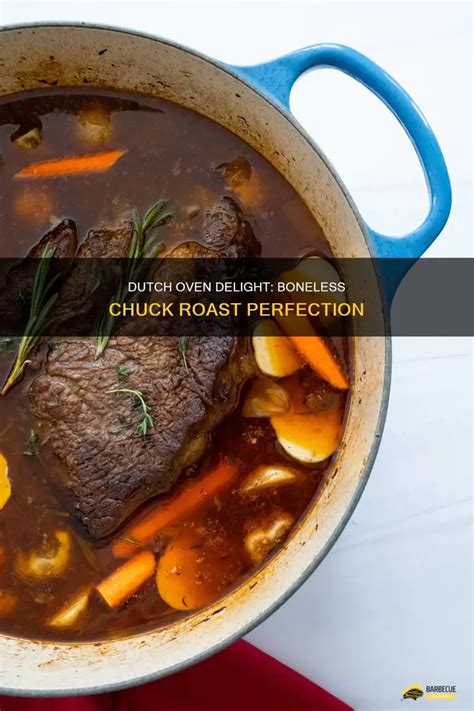
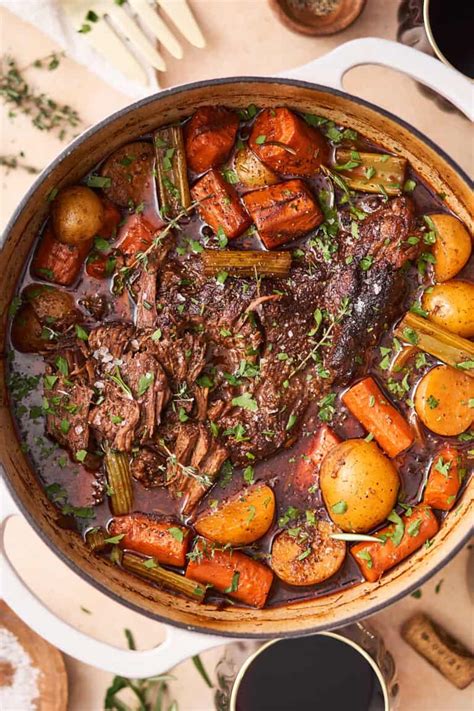
After searing, remove the beef and add your aromatics. Onions, carrots, celery, and garlic are classic choices, forming the base of your flavor. Sauté them in the beef fat until softened and fragrant. Deglaze the pan with red wine, beef broth, or even a bit of balsamic vinegar, scraping up all those flavorful brown bits from the bottom – this is where much of your gravy’s depth comes from.
The Secret to Avoiding Dryness: Low, Slow, and Covered
Preventing a dry pot roast hinges on three critical factors: ample liquid, low temperature, and a tightly sealed cooking environment. Braising is the technique here – cooking meat slowly in a small amount of liquid in a covered vessel.
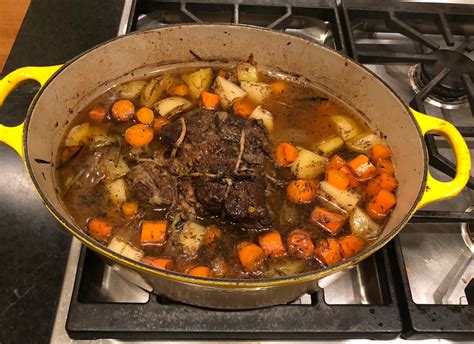
- Liquid Level: The liquid (beef broth, wine, canned tomatoes, water) should come about two-thirds of the way up the sides of the roast, but not fully submerge it. This allows the top to brown slightly while the bottom braises.
- Temperature Control: Cook at a low oven temperature, typically between 275°F and 325°F (135°C-160°C). This gentle heat slowly breaks down the connective tissues without drying out the muscle fibers.
- Covered Cooking: A tight-fitting lid is essential. It traps steam and moisture, creating a humid environment that tenderizes the meat and prevents evaporation.
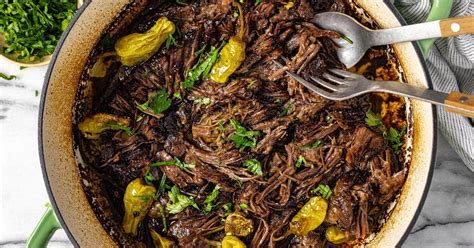
Cook until the meat can be easily shredded with a fork – usually 3-4 hours, depending on the size of your roast. Resist the urge to constantly lift the lid; every time you do, heat and moisture escape.
Adding Vegetables and Finishing Touches
For vegetables that are tender but not mushy, add them during the last hour or two of cooking. Hearty vegetables like potatoes, carrots, and parsnips work wonderfully. If you prefer softer, more infused vegetables, add them earlier. When the roast is done, remove the meat and vegetables to a platter, tent with foil, and let it rest for 15-20 minutes before shredding or slicing. This allows the juices to redistribute, ensuring maximum tenderness and flavor.
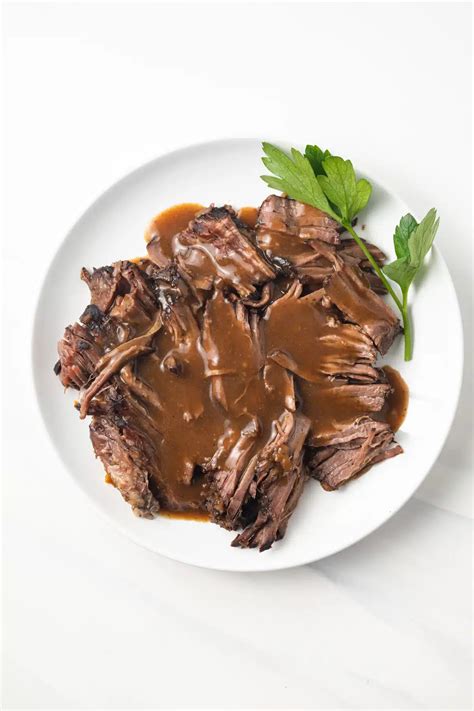
While the meat rests, you can make a glorious gravy from the pan drippings. Skim off excess fat, then thicken with a cornstarch slurry or flour roux. Season to taste, and you’ll have a rich, savory sauce to spoon generously over your masterpiece.
A Midwest Classic Perfected
By understanding the role of the right cut, the importance of searing, and the principles of low-and-slow braising, you can confidently achieve a pot roast that is not only incredibly tender but bursting with deep, savory flavors. Say goodbye to dry, tough pot roasts and hello to a beloved Midwest classic perfected. Serve it with mashed potatoes or crusty bread to soak up every last drop of that glorious gravy, and enjoy the appreciative smiles around your table.