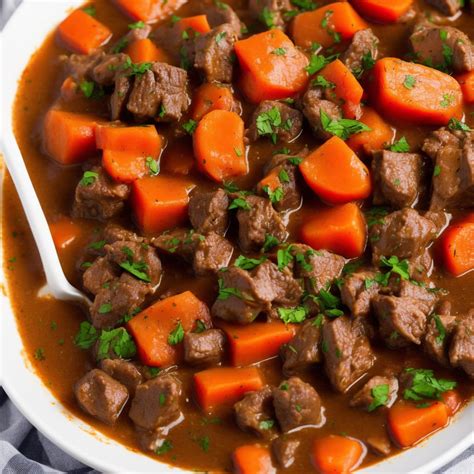




Lighten up classic Heartland comfort food: How to keep big flavor?

The Quest for Lighter Comfort: A Heartland Dilemma
Heartland comfort food holds a special place in our hearts and on our tables. It’s the taste of home, of family gatherings, and of wholesome satisfaction. Think creamy casseroles, hearty stews, rich gravies, and decadent desserts. These dishes are undeniably delicious, but often come with a heavy caloric price tag. In an era where health and wellness are increasingly prioritized, many of us are seeking ways to enjoy these beloved classics without the guilt. The challenge, however, is to lighten them up without stripping away the very essence of what makes them comforting and flavorful.
Smart Swaps: Reimagining Core Ingredients
The foundation of any lightened comfort food strategy lies in intelligent ingredient swaps. Small changes can yield significant results without compromising taste. For instance, instead of full-fat dairy, opt for skim milk, evaporated skim milk, or even unsweetened almond milk in sauces and soups. Greek yogurt is an excellent stand-in for sour cream or heavy cream, providing tang and creaminess with a fraction of the fat and added protein. When it comes to proteins, choose lean ground turkey or chicken over fattier beef or pork, or opt for leaner cuts and trim visible fat.

Whole grains can also play a pivotal role. Swapping white pasta for whole wheat in a tuna noodle casserole, or using brown rice instead of white in a chicken and rice bake, boosts fiber and nutrients. Even simple things like using low-sodium broths instead of high-sodium versions can make a difference in overall health and allow you to control the seasoning better. Enhance dishes with a generous amount of vegetables – they add volume, nutrients, and fiber without a calorie bomb.
Mastering Cooking Techniques for Maximum Flavor
Beyond ingredients, how you cook your food can dramatically impact its health profile. Frying, while delicious, often adds unnecessary fat. Embrace cooking methods that naturally enhance flavor while keeping things light. Roasting vegetables brings out their natural sweetness and deepens their umami notes. Grilling or baking lean proteins eliminates the need for excess oil. Slow cooking allows flavors to meld beautifully, often creating rich, satisfying dishes with minimal added fat. Using non-stick pans can help reduce the amount of oil needed for sautéing. Steaming is another excellent way to cook vegetables, preserving their nutrients and vibrant color.

The Power of Herbs, Spices, and Acidity
One of the biggest secrets to maintaining big flavor in lightened dishes is the strategic use of herbs, spices, and acidity. When you reduce fat, you often reduce a flavor carrier. This is where fresh herbs like parsley, chives, thyme, and sage, or robust dried spices like paprika, cumin, and garlic powder, come to the rescue. They add layers of complexity and brightness without adding calories. A squeeze of lemon juice or a splash of vinegar at the end of cooking can brighten a dish, cut through richness, and make flavors pop. Incorporate umami boosters like mushrooms, tomato paste, or nutritional yeast to add savory depth that satisfies.
Classic Comfort Dishes, Reimagined
Lighter Casseroles
Casseroles are a Heartland staple. To lighten them, reduce the amount of cheese and use a lower-fat variety. Swap cream-of-something soups for homemade béchamel made with skim milk and a touch of flour, or use pureed steamed cauliflower as a thickener. Load up on vegetables like broccoli, carrots, and peas. Use lean proteins and whole grain pasta or brown rice. For a crunchy topping, consider crushed whole-grain crackers or a sprinkle of toasted breadcrumbs mixed with herbs instead of butter-laden fried onions.

Soups and Gravies
Creamy soups can be lightened by using chicken or vegetable broth as the base. Achieve a velvety texture by pureeing cooked vegetables (like potatoes, carrots, or butternut squash) directly into the soup, rather than relying solely on heavy cream. A swirl of Greek yogurt or a small amount of cornstarch slurry can also add thickness without excess fat. For gravies, use defatted pan drippings, thicken with a cornstarch or flour slurry mixed with low-sodium broth, and enhance flavor with herbs and a splash of Worcestershire sauce.
Mashed Potatoes and Beyond
Traditional mashed potatoes are often loaded with butter and cream. For a lighter version, try a 50/50 blend of mashed potatoes and mashed cauliflower. Use skim milk or chicken broth for moisture, and a tablespoon of plain Greek yogurt for creaminess. Flavor with roasted garlic, chives, or a dash of smoked paprika. Similarly, instead of a heavy cream sauce for green bean casserole, try a mushroom sauce made with broth and a touch of flour, finished with a sprinkle of crispy shallots baked, not fried.

Savoring the Soul of Comfort, Guilt-Free
Lightening up classic Heartland comfort food isn’t about deprivation; it’s about smart choices that allow you to continue enjoying the dishes you love while aligning with a healthier lifestyle. By thoughtfully substituting ingredients, employing healthier cooking methods, and leveraging the power of herbs, spices, and acidity, you can maintain – and often enhance – the robust, satisfying flavors that make these dishes so comforting. Embrace the challenge, experiment in your kitchen, and discover how truly delicious and wholesome your favorite comfort foods can be.