


How to thicken fruit pie filling without making it gummy?

There’s nothing quite like a homemade fruit pie, but a common pitfall for many bakers is a filling that’s either too runny or, even worse, unpleasantly gummy. Achieving that perfect, luscious consistency—thick enough to hold its shape but still tender and fruit-forward—is an art. This guide will help you master the science of thickening your fruit pie fillings without ever resorting to a gluey mess.
Understanding the Problem: Why Fillings Go Wrong
A runny pie filling is often the result of insufficient thickener or not enough cooking time to activate it. Conversely, a gummy filling typically occurs when too much thickener is used, or the wrong type of thickener is chosen for the fruit and cooking method. The goal is to bind the fruit juices into a tender gel that complements the fruit, allowing it to shine through without being soupy or excessively stiff.
Choosing the Right Thickening Agent
The secret to a perfect pie often lies in selecting the correct thickening agent. Each option has unique properties, making it suitable for different fruits and desired textures.
Cornstarch: The Classic Choice
Cornstarch is a popular thickener, known for creating a clear, glossy finish. It’s excellent for fruit pies where you want the fruit’s natural color to remain vibrant. However, it can break down if overcooked or exposed to high acidity for too long, potentially leading to a thinner consistency after cooling. To use, create a slurry with cold water before adding to hot fruit to prevent lumps. Use about 1 tablespoon per cup of fruit juice.
All-Purpose Flour: The Traditional Staple
Flour is a traditional thickener that produces an opaque, slightly cloudy finish. It’s a good choice for creamier fillings or pies where a rustic look is desired. Flour requires thorough cooking to eliminate its raw taste and achieve full thickening power. Mix it with the sugar before adding to the fruit to prevent lumps. You’ll typically need about twice as much flour as cornstarch for similar thickening power.

Tapioca: For a Glossy, Clear Finish
Tapioca, particularly instant or minute tapioca, is a fantastic choice for fruit pies, especially those with high water content like berry pies. It thickens cleanly, providing a beautiful glossy sheen without clouding the fruit. Tapioca pearls need time to absorb liquid, so it’s best to mix them directly with the fruit and sugar and let them sit for 15-30 minutes before baking. Ground tapioca can be used similarly to cornstarch, but it’s more stable in acidic environments.
Arrowroot Powder: The Gluten-Free Alternative
Arrowroot is a highly stable, gluten-free thickener that creates a very clear, glossy finish similar to cornstarch but is less prone to breaking down under acidity or prolonged cooking. It has a neutral flavor and works well with delicate fruits. Like cornstarch, it should be mixed into a slurry with cold liquid before adding to the fruit near the end of the cooking process to maximize its thickening power.

Pectin: The Jam Maker’s Secret Weapon
Pectin is a natural gelling agent found in fruits and is what gives jams and jellies their set. While less common for pies, it can be used for very juicy fruits where a firm, jelly-like set is desired. It typically requires specific sugar and acid levels to activate effectively. Using a pre-made pectin-based pie glaze mix is often the easiest way to incorporate it.
Tips for a Perfectly Thickened Pie Filling
Measure Accurately
Precision is key. Too little thickener results in a watery pie; too much, and you’re headed for a gummy disaster. Start with the recommended amount for your recipe and adjust based on the juiciness of your specific fruit batch.
Cook Thoroughly (But Not Too Much!)
Most thickeners need to reach a certain temperature to fully activate. For cornstarch and flour, this means bringing the filling to a boil for at least a minute, stirring constantly, before removing from heat. Tapioca thickens during baking. Overcooking cornstarch-based fillings, however, can cause it to break down, leading to a thinner consistency.
Consider the Fruit’s Juiciness
Different fruits release varying amounts of liquid. Berries, peaches, and plums are notoriously juicy and may require slightly more thickener. Apples, on the other hand, often need less. If your fruit is particularly ripe or juicy, you might consider pre-cooking it briefly or draining some excess liquid before adding the thickener.
Cool Completely
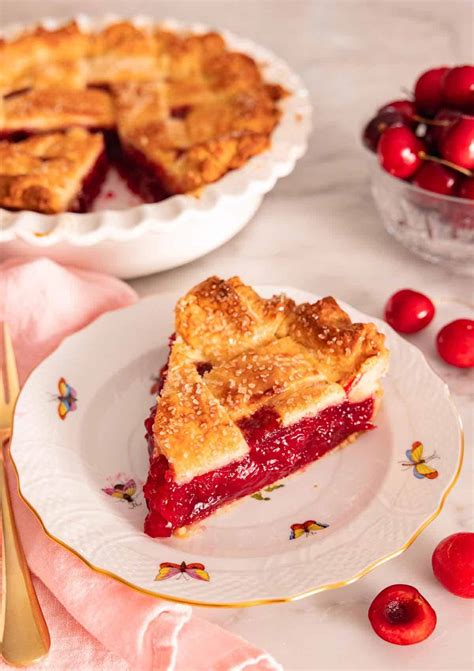
Perhaps the most crucial, and often overlooked, step is allowing your pie to cool completely before slicing. Most thickeners continue to set as they cool. Cutting into a warm pie almost guarantees a runny filling, even if properly thickened. Patience is a virtue here!
Conclusion
Mastering the art of thickening fruit pie filling is a game-changer for any home baker. By understanding the properties of different thickening agents, measuring accurately, and employing a few key techniques, you can achieve that perfectly luscious, fruit-forward filling every time—no more runny or gummy pies! Enjoy the delightful reward of a beautifully set, delicious homemade pie.