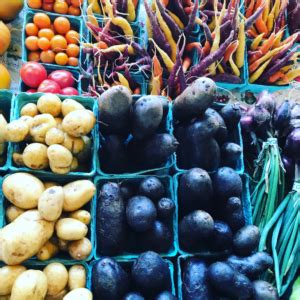





How to prevent mushy vegetables while ensuring big flavor in one-pot Heartland meals?

Mastering the One-Pot Heartland Meal
One-pot meals are the cornerstone of comfort and convenience, especially in the Heartland tradition. They promise hearty goodness with minimal cleanup – a weeknight warrior’s dream. However, this culinary marvel often presents a dual challenge: how to prevent delicate vegetables from turning into a sad, mushy mess, while simultaneously ensuring every bite bursts with rich, authentic flavor? The good news is, with a few strategic techniques, you can achieve both.
Strategic Vegetable Management: Avert the Mush
The key to perfectly cooked, firm-yet-tender vegetables in a one-pot dish lies in understanding their individual cooking times and how they interact with heat and liquid.
Timing is Everything: The Staggered Approach
Don’t just toss everything in at once. Root vegetables like carrots, potatoes, and parsnips require longer cooking times. Add these first, giving them a head start before introducing quicker-cooking vegetables such as bell peppers, zucchini, or green beans. Leafy greens like spinach or kale should be added last, often just for the final few minutes of cooking, allowing them to wilt without dissolving.

Size Matters: Uniformity and Density
Cut your vegetables to appropriate and consistent sizes. Denser vegetables, like potatoes or sweet potatoes, can be cut into smaller pieces to cook faster, while quicker-cooking ones, like mushrooms or onions, can be left larger. This ensures even cooking and prevents some pieces from becoming overcooked while others remain raw.
Pre-Treatment for Texture: Searing and Blanching
For certain vegetables, a little pre-treatment goes a long way. Searing harder vegetables like carrots or Brussels sprouts in a hot pan before adding them to the pot can develop a flavorful crust and help them retain their structure. For very delicate vegetables that you want to maintain a crisp bite, a quick blanch and shock in ice water, then adding them near the end, can be effective, though this slightly deviates from strict “one-pot” purity.
Unlocking Big Heartland Flavors
Mushy vegetables are only half the battle; a bland dish is an equally missed opportunity. Heartland cuisine thrives on deep, comforting flavors. Here’s how to build them from the ground up.
The Flavor Foundation: Browning and Aromatics
Start your one-pot meal by browning your chosen protein (beef, chicken, sausage) directly in the pot. The caramelized bits left behind, known as “fond,” are flavor gold. Immediately after, sauté aromatics like onions, garlic, and celery until fragrant. This step is crucial for developing a rich base.

Layering Liquids and Umami Boosters
Instead of just water, use a high-quality broth or stock as your cooking liquid. Deglaze the pot with a splash of wine, beer, or a bit more stock to lift all that delicious fond from the bottom. Incorporate umami-rich ingredients like tomato paste (sautéed briefly to deepen its flavor), Worcestershire sauce, or even a dash of soy sauce or miso paste to add complexity.
Herbs, Spices, and Acidity: The Finishing Touches
Don’t be shy with herbs and spices. Dried herbs (thyme, rosemary, bay leaves) can go in early to meld their flavors, while fresh herbs (parsley, chives, dill) are best stirred in towards the end to retain their vibrancy. A squeeze of lemon juice or a splash of vinegar at the very end can brighten the entire dish, cutting through richness and highlighting other flavors without making the dish taste sour.

The One-Pot Heartland Workflow: A Synthesis
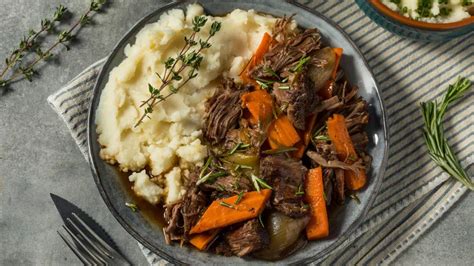
Imagine a classic beef stew. You’d start by browning the beef, then sautéing onions and garlic. Next, add sturdy root vegetables like carrots and potatoes, along with tomato paste and broth, scraping up all the fond. Let this simmer. Later, perhaps add bell peppers or green beans. Finally, just before serving, stir in fresh parsley and a dash of vinegar.
Choosing the right vessel also makes a difference. A Dutch oven or a heavy-bottomed pot provides even heat distribution, crucial for consistent cooking without scorching. Monitoring liquid levels is also key; too much can boil vegetables, while too little can scorch them or leave them undercooked.

Conclusion
Creating truly spectacular one-pot Heartland meals that boast both perfectly tender vegetables and incredible depth of flavor is entirely achievable. By understanding the nuances of vegetable cooking times, employing smart preparation techniques, and thoughtfully layering your flavors, you can transform simple ingredients into a comforting masterpiece. Embrace these strategies, and your next one-pot creation will be a testament to both convenience and culinary excellence.