




How to get deep flavor & avoid sogginess in Midwest casseroles?

The Hearty Appeal of Midwest Casseroles
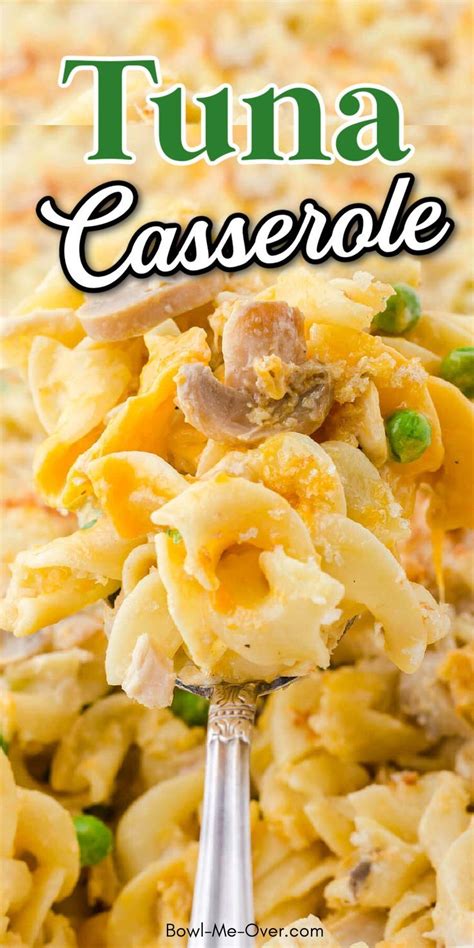
Midwest casseroles are the quintessential comfort food – hearty, convenient, and often a nostalgic trip down memory lane. However, achieving that perfect balance of deep, savory flavor and a desirable texture, without succumbing to a watery, mushy mess, can be a culinary challenge. Fear not, as we’ll delve into the techniques and tips that will elevate your casseroles from merely good to truly unforgettable.
Building Layers of Deep Flavor
The secret to a profoundly flavorful casserole lies in building layers. Don’t just dump ingredients into a dish; treat each component as an opportunity to contribute to the overall taste profile.
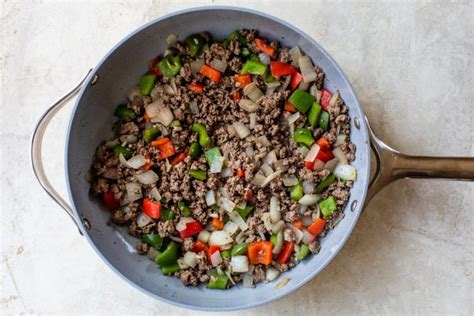
- Brown Your Meats: This is non-negotiable. Searing ground beef, chicken, or sausage before adding it to the casserole creates a rich, caramelized crust (Maillard reaction) that infuses the entire dish with umami. Drain excess fat, but don’t rinse away the flavor.
- Sauté Aromatics: Onions, garlic, celery, and carrots should be softened and lightly browned in the same pan as your meat or in a separate pan with a touch of butter or oil. This step sweetens them and releases their aromatic compounds, providing a foundational layer of flavor.
- Choose Quality Liquids: Instead of plain water, opt for a good quality broth (chicken, beef, or vegetable), mushroom soup, or even a splash of dry white wine or sherry for depth. Full-fat dairy (cream, whole milk) also contributes to richness.
- Season Strategically: Season at every stage! Salt your meat and vegetables as you brown them, then season your sauces and binding agents. Don’t forget herbs and spices – paprika, thyme, sage, and a pinch of cayenne can make a world of difference.
Conquering the Sogginess Scourge
Soggy casseroles are a common disappointment, often caused by too much liquid, undercooked starches, or improper assembly. Here’s how to ensure a perfectly textured result:
- Pre-cook Starches (Partially): If using pasta, rice, or potatoes, it’s often best to cook them partially before adding to the casserole. Pasta should be al dente, rice about halfway cooked, and potatoes par-boiled. This prevents them from absorbing too much liquid during baking, turning mushy, and releasing excess starch.
- Mind Your Liquid Ratios: Follow recipes closely for liquid amounts. If you’re adapting, remember that vegetables release water as they cook. Aim for a sauce that’s thick enough to coat ingredients but still has some movement. A good rule of thumb: you want enough liquid to bind, not to drown.
- Thickening Agents: A roux (flour and fat cooked together) is a classic way to thicken sauces, providing stability and preventing separation. Cream of mushroom or chicken soup also acts as a natural thickener and binder. Cornstarch slurries can be used for a lighter touch, but be careful not to overdo it, or the texture can become gummy.
Smart Assembly and Baking Techniques
How you put your casserole together and how you bake it are just as crucial as ingredient preparation.
- Layer Thoughtfully: Distribute ingredients evenly. For instance, if you have a crunchy topping, don’t bury it under a heavy sauce. Starchy components should be well-coated but not swimming.
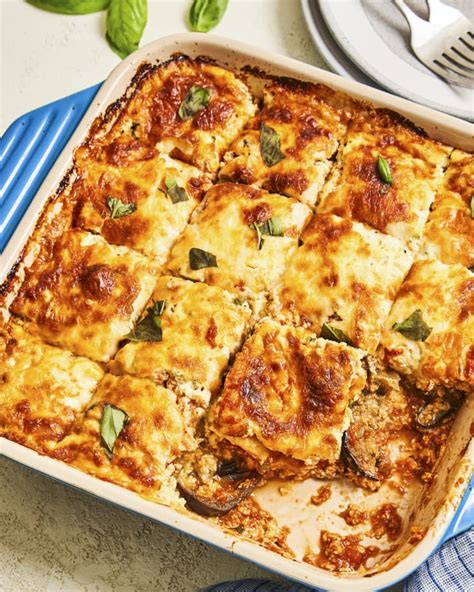
- Proper Baking Temperature and Time: Many casseroles benefit from baking at a moderate temperature (350-375°F or 175-190°C) to allow flavors to meld and ingredients to cook through without drying out. Cover the casserole for the initial baking period to ensure even cooking and prevent the top from burning, then uncover for the last 15-20 minutes to allow for browning and crisping.
- The Topping Factor: A great topping adds texture and flavor. Options include crushed crackers, breadcrumbs (panko for extra crispness), cheese, or fried onions. Add these towards the end of the baking process to prevent them from becoming soggy or burnt.
Resting for Perfection
Just like a good steak, casseroles benefit from resting. Once out of the oven, let your casserole sit for 10-15 minutes before serving. This allows the internal temperatures to equalize, the sauces to set, and the flavors to fully develop and meld. It also prevents the casserole from falling apart when you scoop it out.
Your Next Culinary Masterpiece
With these techniques in your arsenal, you’re ready to create Midwest casseroles that are both deeply flavorful and perfectly textured. Embrace the art of browning, strategize your liquids, and pay attention to those final baking touches. Your next comfort food creation will be a testament to your culinary prowess, earning rave reviews from family and friends alike.